Nikon D800 Images of Bluebells at Merrimac Farm Wildlife Management Area

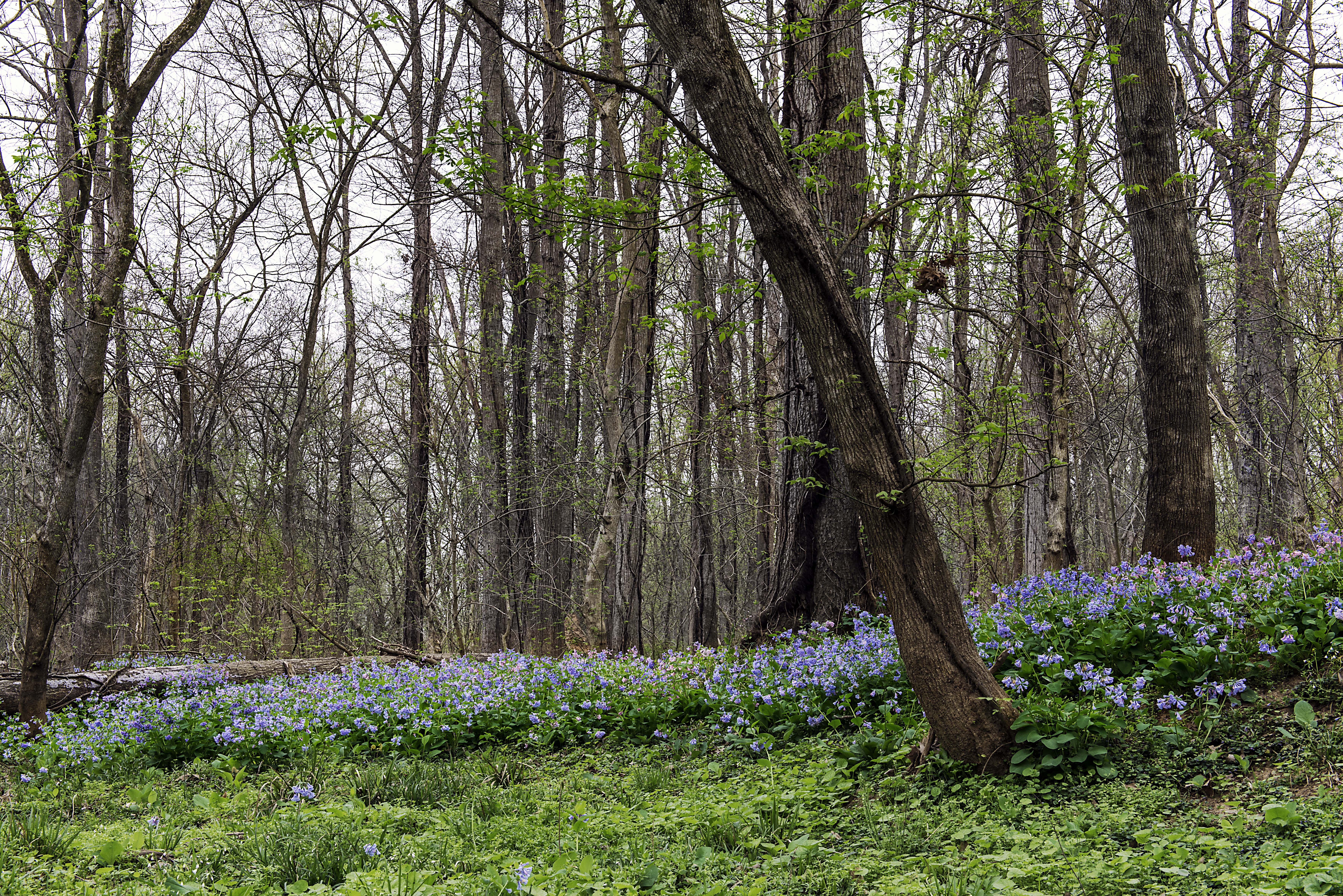
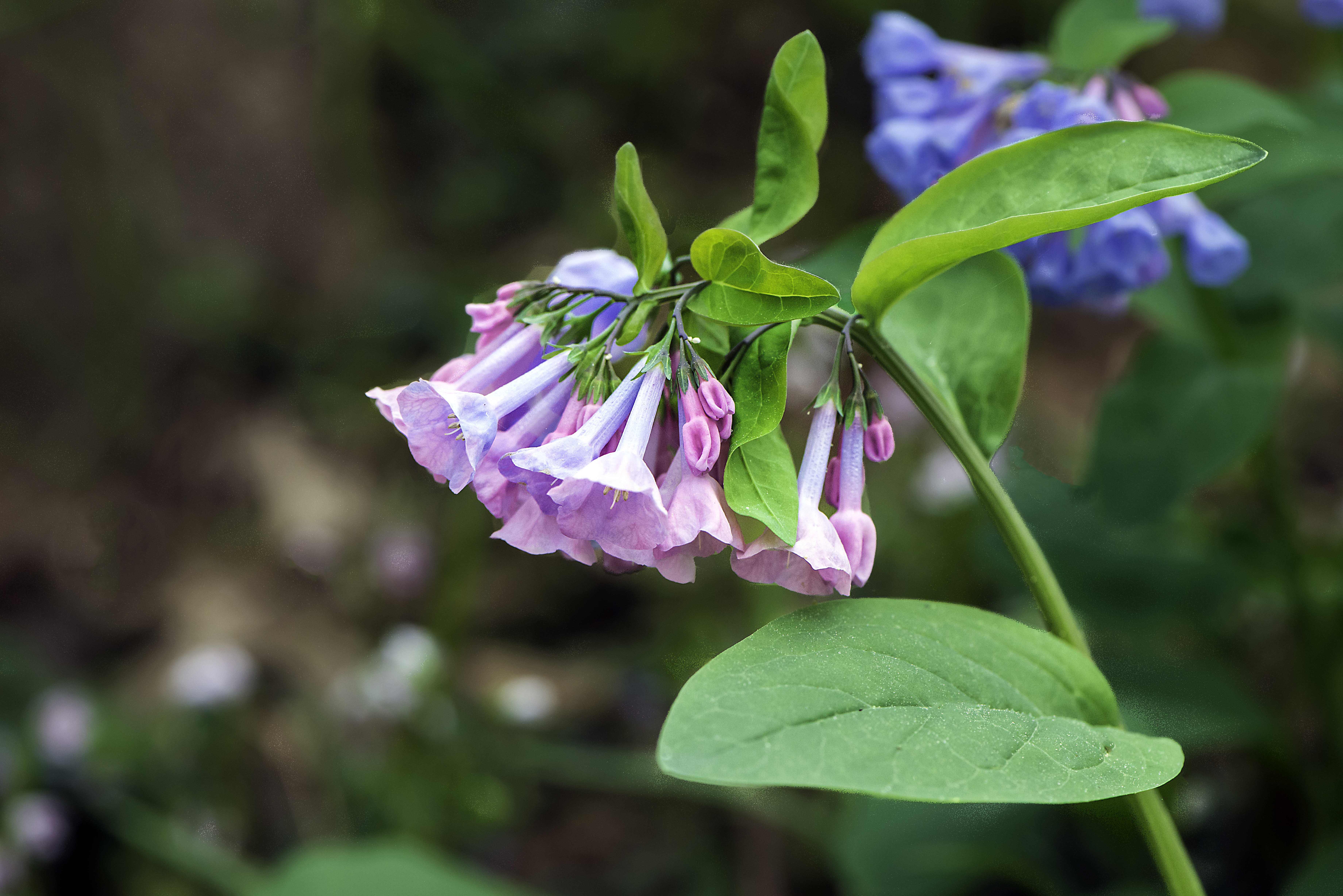
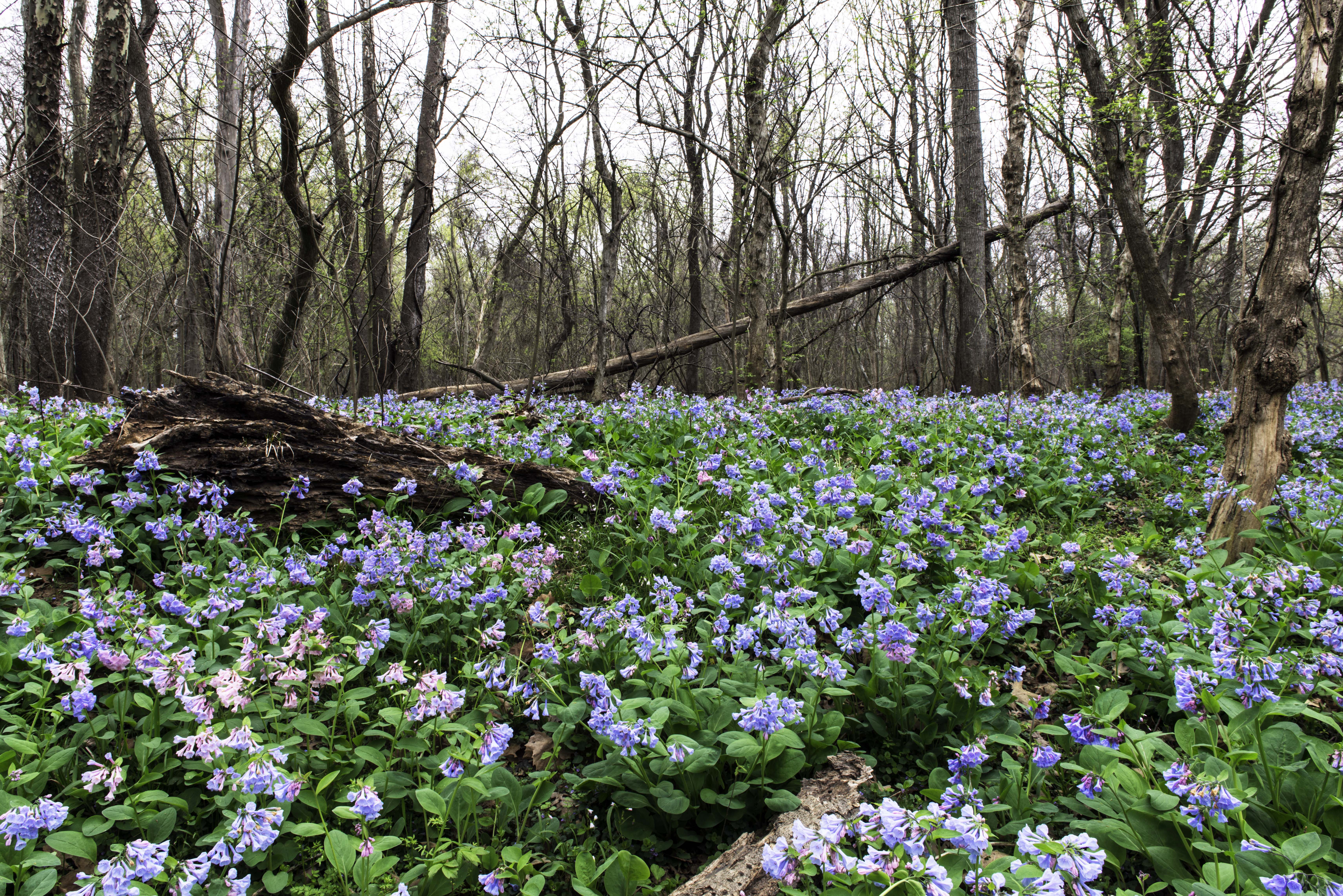
Last weekend, I went to Merrimac Farm Wildlife Management Area (WMA) to photograph the Virginia Bluebells (Mertensia virginica).  Virginia Bluebells are bulbous perennial plants that only grow in early spring before the canopy closes (i.e., the trees are leafed out and shade the forest floor). After the canopy closes, the Bluebell plants totally disappear until next spring. Therefore, the opportunity to photograph them is very short.
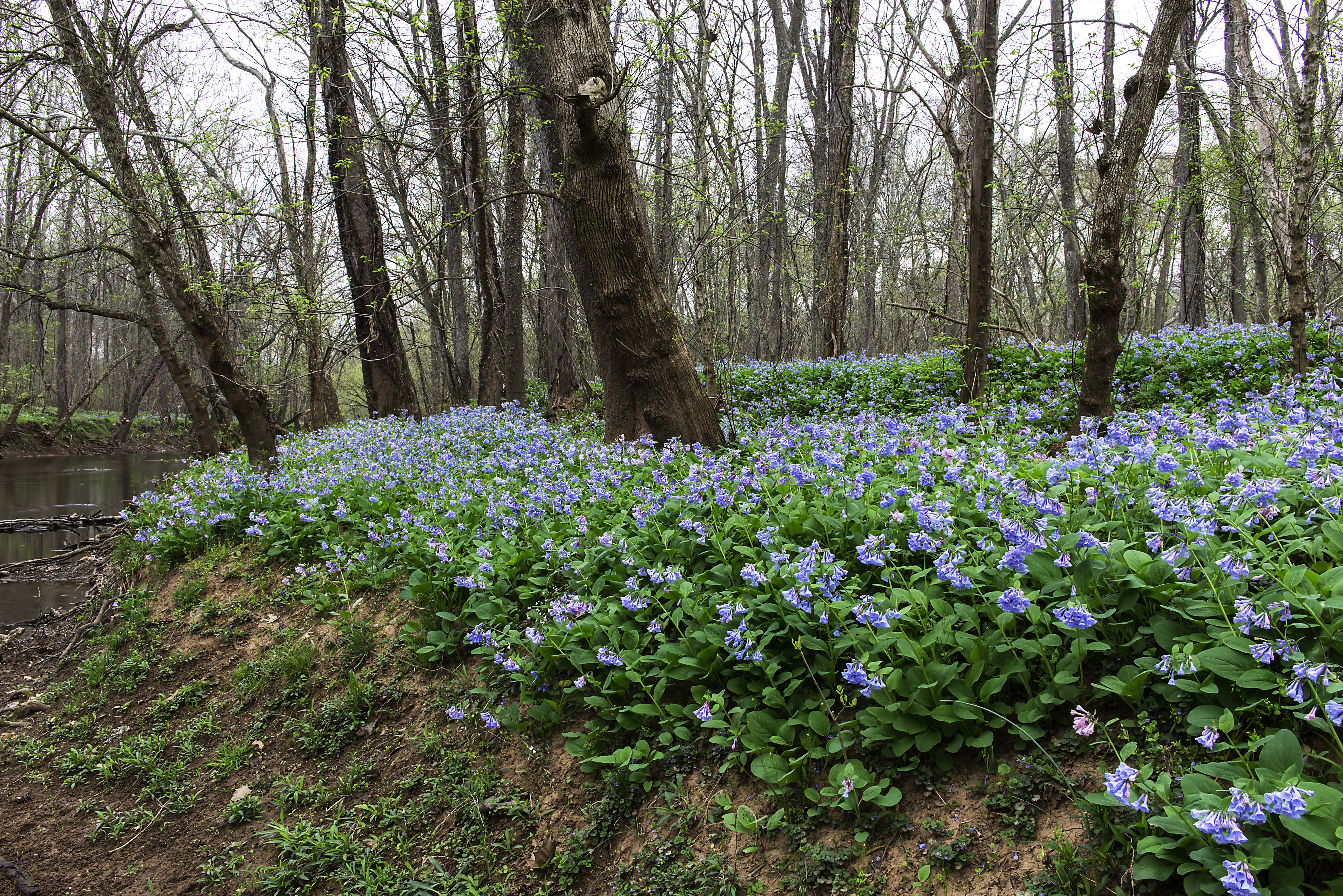
At Merrimac Farm WMA, the Bluebells grow in the flood plain of the Cedar Run. The deep green of the Bluebell plants with their blue and occasional pink flowers is a brilliant and beautiful sight and contrast to the otherwise dormant forest.
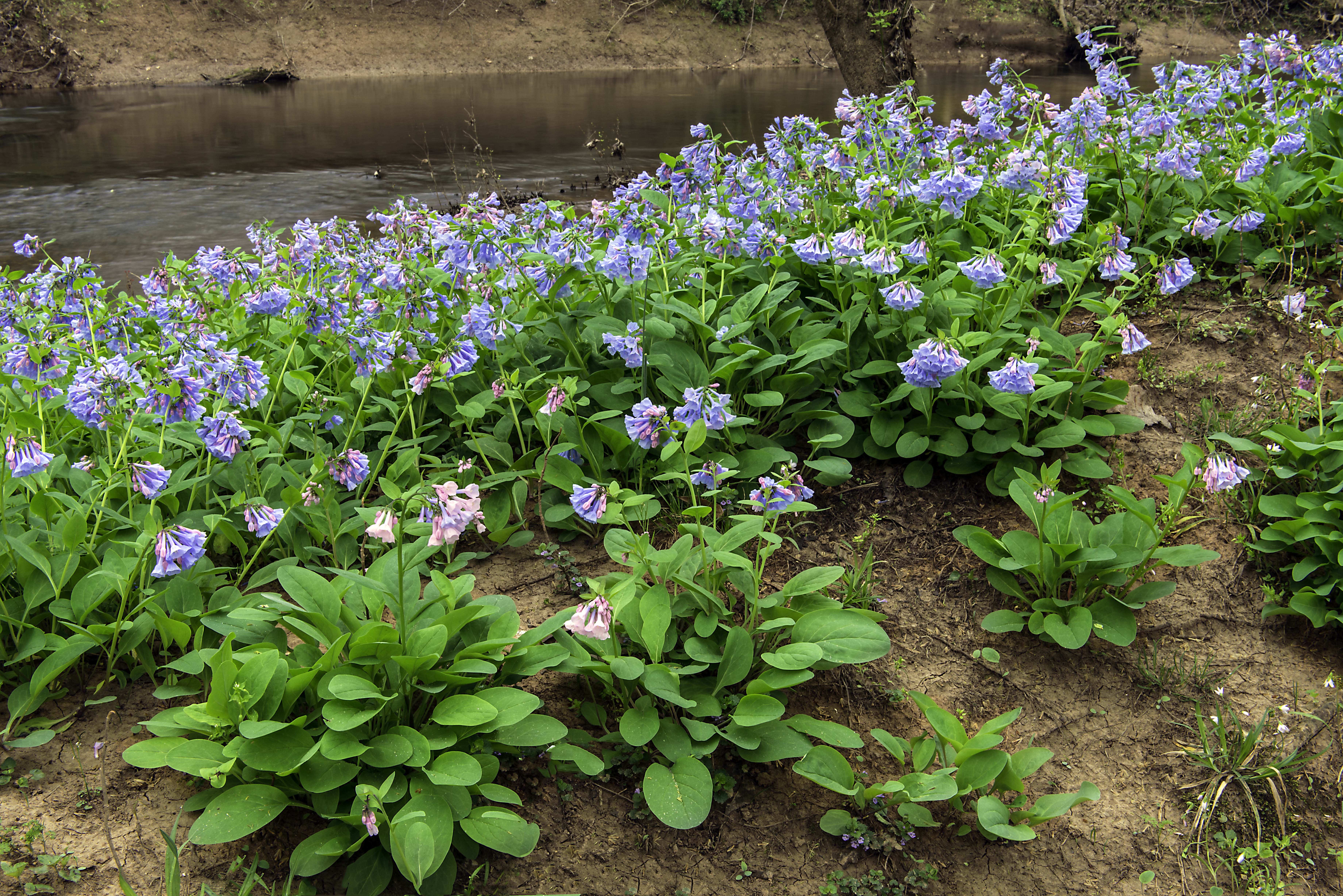
On the morning that I was there, it was very overcast and eventually began to rain. The filtered light actually worked well by limiting the dynamic range of dark and light tones. Unfortunately, I had to stop photographing when the rain started, but it held off long enough for me to get the images in this blog article.
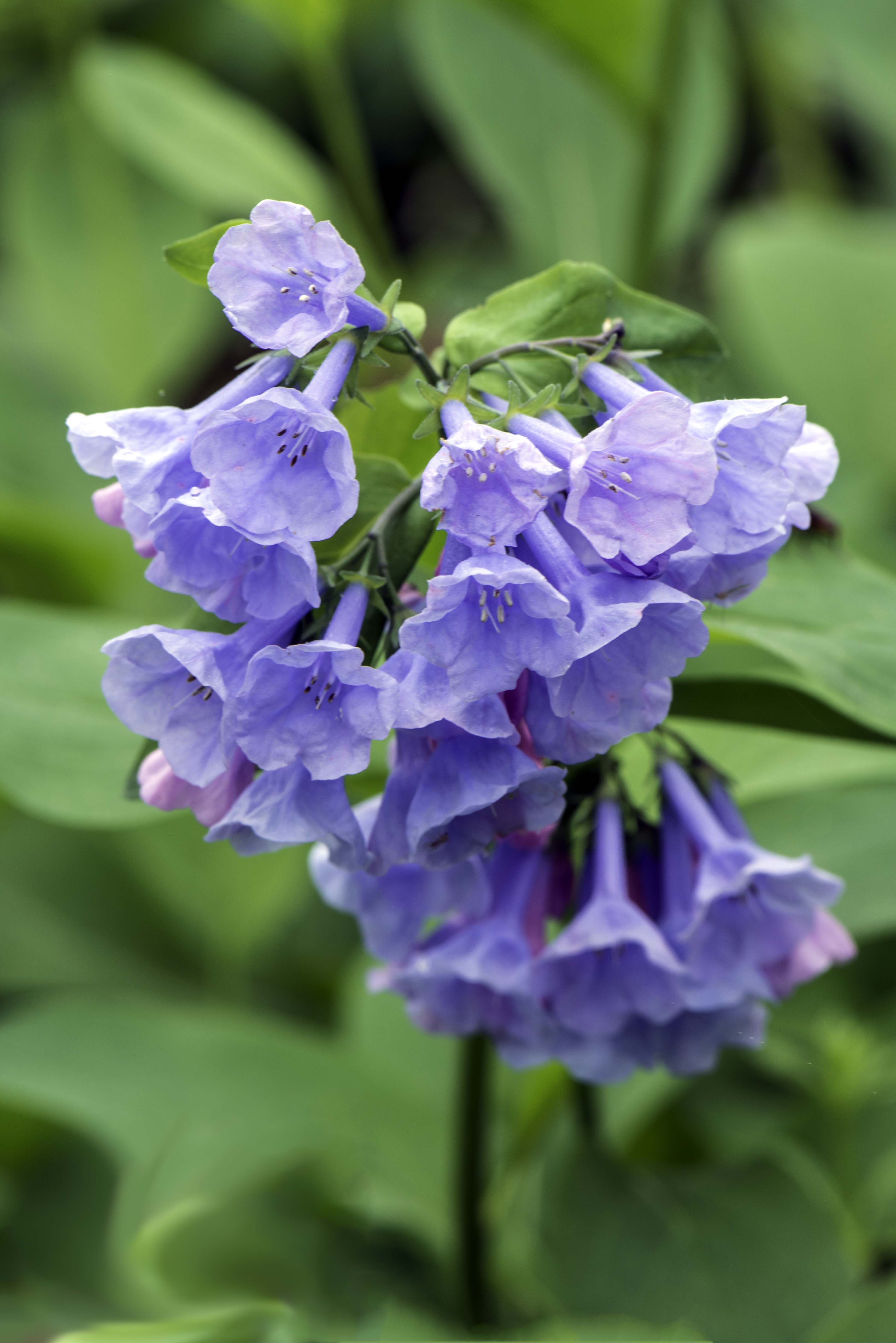
This visit to Merrimac Farm WMA also was my first opportunity to use my new Nikon camera body, the D800, which I picked up two days before. As I am discovering from its use and confirmed by recent independent test reports, the Nikon D800 is a fantastic camera, which is evidenced by the images in this blog article. (These are low resolution images for the Web and not the high resolution images captured by the D800.)
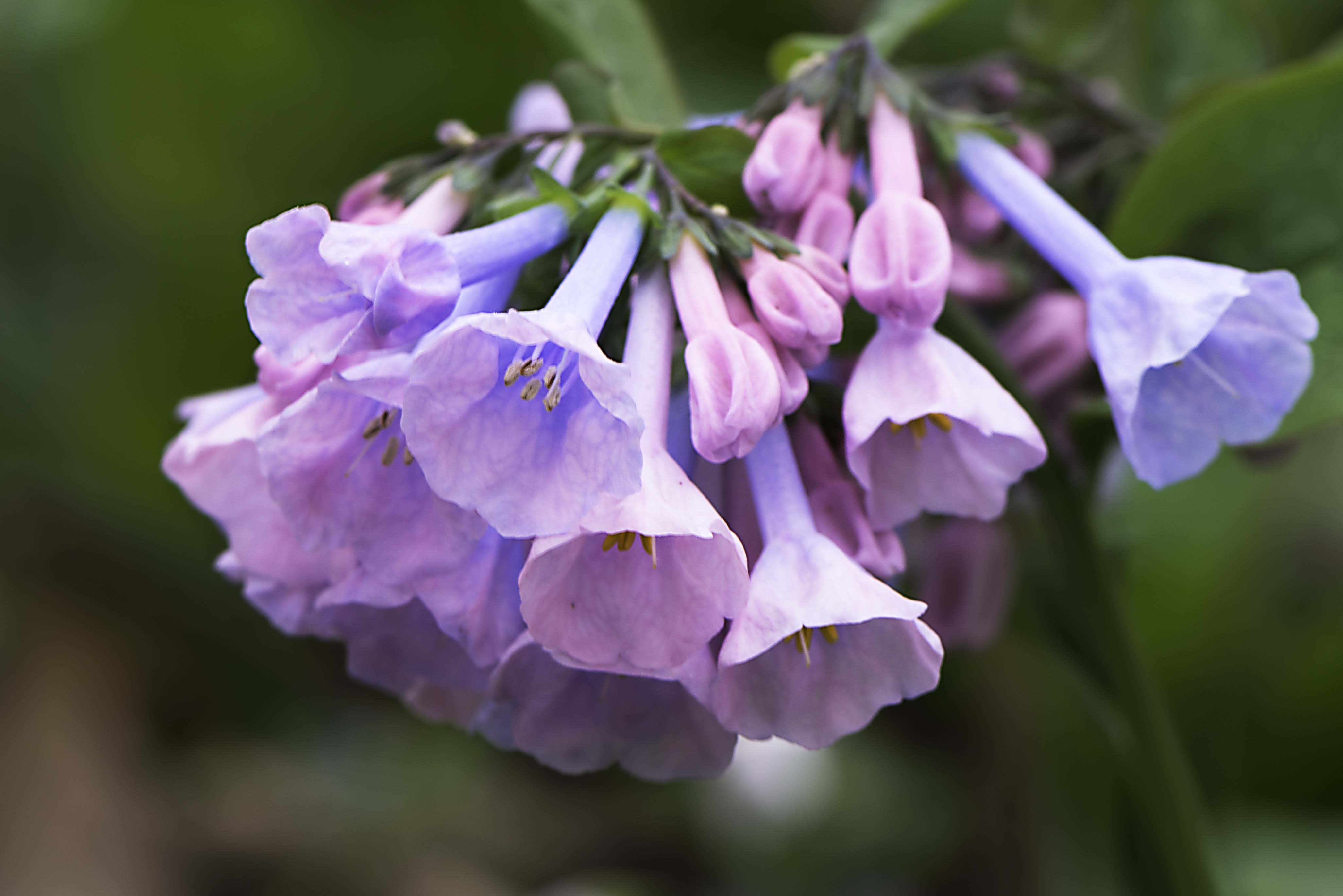
If you live in the northern Virginia area, on April 15, the Prince William Conservation Alliance will be holding its annual Bluebell Festival. I encourage you to attend to see the Bluebells and enjoy the festival, as well as some of my photography, which I will be exhibiting at the festival.
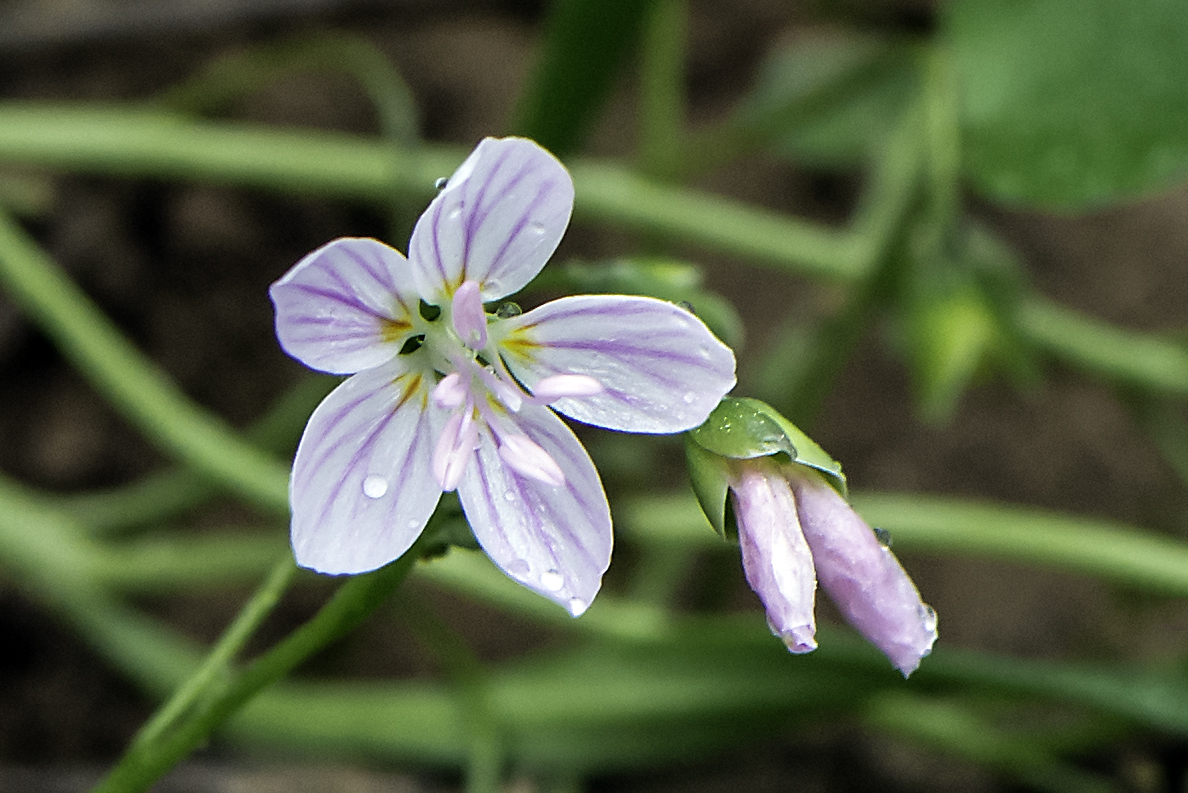
While photographing the Bluebells, I also photographed some of the Spring Beauties (below) with my Nikon 105mm macro lens. Spring Beauties are tiny flowers that also bloom in the spring. They are about 1/4 inch in size, and their unique beauty, when viewed up close, is most likely how they got their name.
Posted in Merrimac Farm Wildlife management Area, Nature, Uncategorized | Tagged , , | 9 Comments

Woodpecker, Goldfinch and Titmouse Nikon D800 Videos

On Friday, I was able to get my new Nikon D800 camera body, which was on preorder after Nikon announced it about two months ago.  Nikon released the D800 for sale on Thursday. It has been one of Nikon’s most anticipated cameras, which was delayed by the natural disasters last year in Japan and Thailand. Based on recent test reports, the D800 “out classes” all other DSLRs (Digital Single-lens Reflex) cameras.

I put my D800 to the test this weekend by photographing the spring Bluebell flowers at Merrimac Farm Wildlife Management Area (WMA) and testing the video capabilities on some birds, and I cannot agree more with the test results, the camera is amazing. I have not processed the Bluebell images yet, but did view them on my iMac, and they look fantastic. I will posting a blog article containing them this week. However, I did process videos of three different birds: Red-bellied Woodpecker, American Goldfinch, and Tufted Titmouse, and uploaded them to Youtube. Each of the videos can be seen by clicking on the below images. Be sure to have your sound turned up, put the video in the full screen mode, and change the resolution to 1080p/HD. The goldfinch is molting, that is why he is not entirely yellow and has the white spots in the black patch on his head.

I am very excited about adding video to my Nature photography with this new camera body, as well as being able to capitalize on its many other new features, like having a 36 mega pixel sensor. Be sure to check back later in the week to see the Bluebell images. It was an overcast morning that provided even, filtered light, which was perfect for photographing them along the Cedar Run creek at Merrimac Farm WMA.

Early this afternoon, I am heading to the Washington DC Convention Center to explore the Photoshop World Conference expositions, where I learned from the owner of Image Wizards that they have one of my Blue Heron images printed large on aluminum and on display at the Expo. Image Wizards specializes in printing on aluminum, and their work is stunning. Last year, I used Image Wizards on a large photography project for a medical building. When I return this evening, I will continue to select images for printing and matting for a festival on April 15, where I was invited to exhibit my photography–more on that later.

Posted in Bird Photographs, Nature, Wildlife | Tagged , | 16 Comments

White-tailed Squirrel

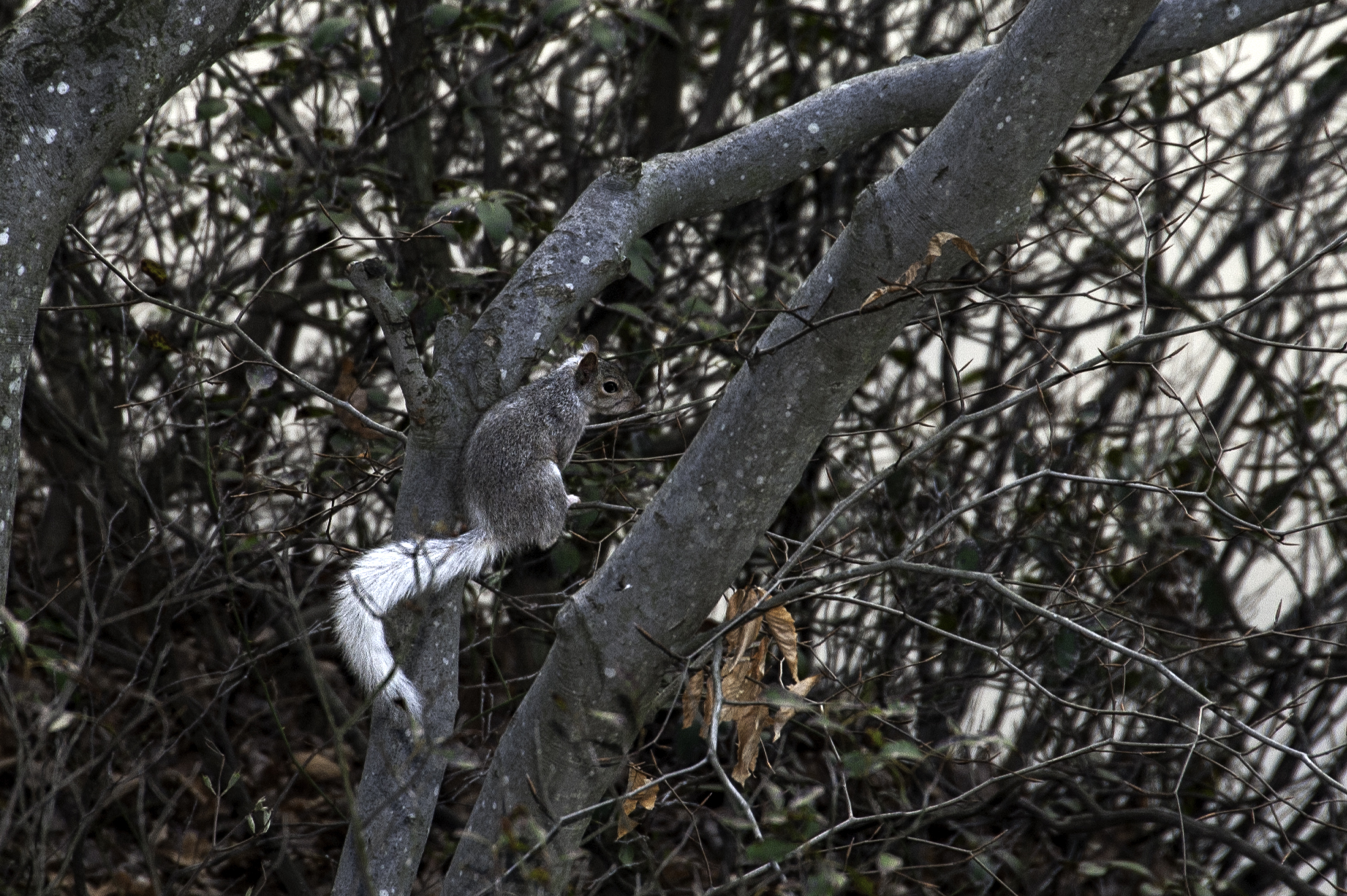
There are a lot of squirrels living in the trees behind my house, and there is nothing unusual about that. However, within the last few months, I noticed a white-tailed squirrel in the trees and on the ground, and that is unusual. I had never seen a white-tailed squirrel here, or anywhere. This evening, just before dusk, I had my camera out with the speedlight (flash) attached, when I spotted the white-tailed squirrel, and so I grabbed the camera, adjusted its the settings, and captured an image of the squirrel across the yard (above image).

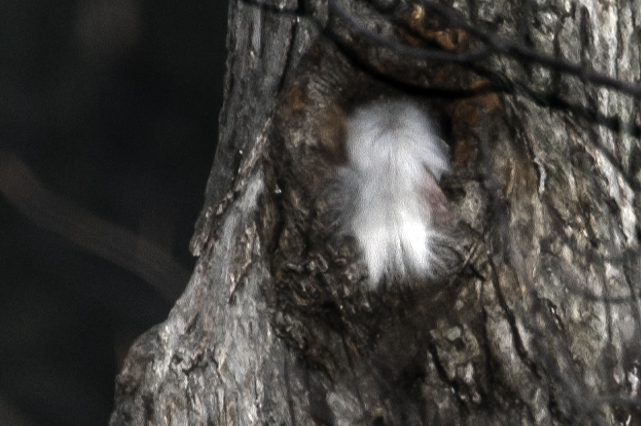
Then, as I was watching the squirrel, it climbed a tree and entered a hole in the tree that I had never noticed before. The tree is at least 75 feet away. In the above image, I photographed the squirrel’s white tail as it entered the hole in the tree, where it apparently lives.

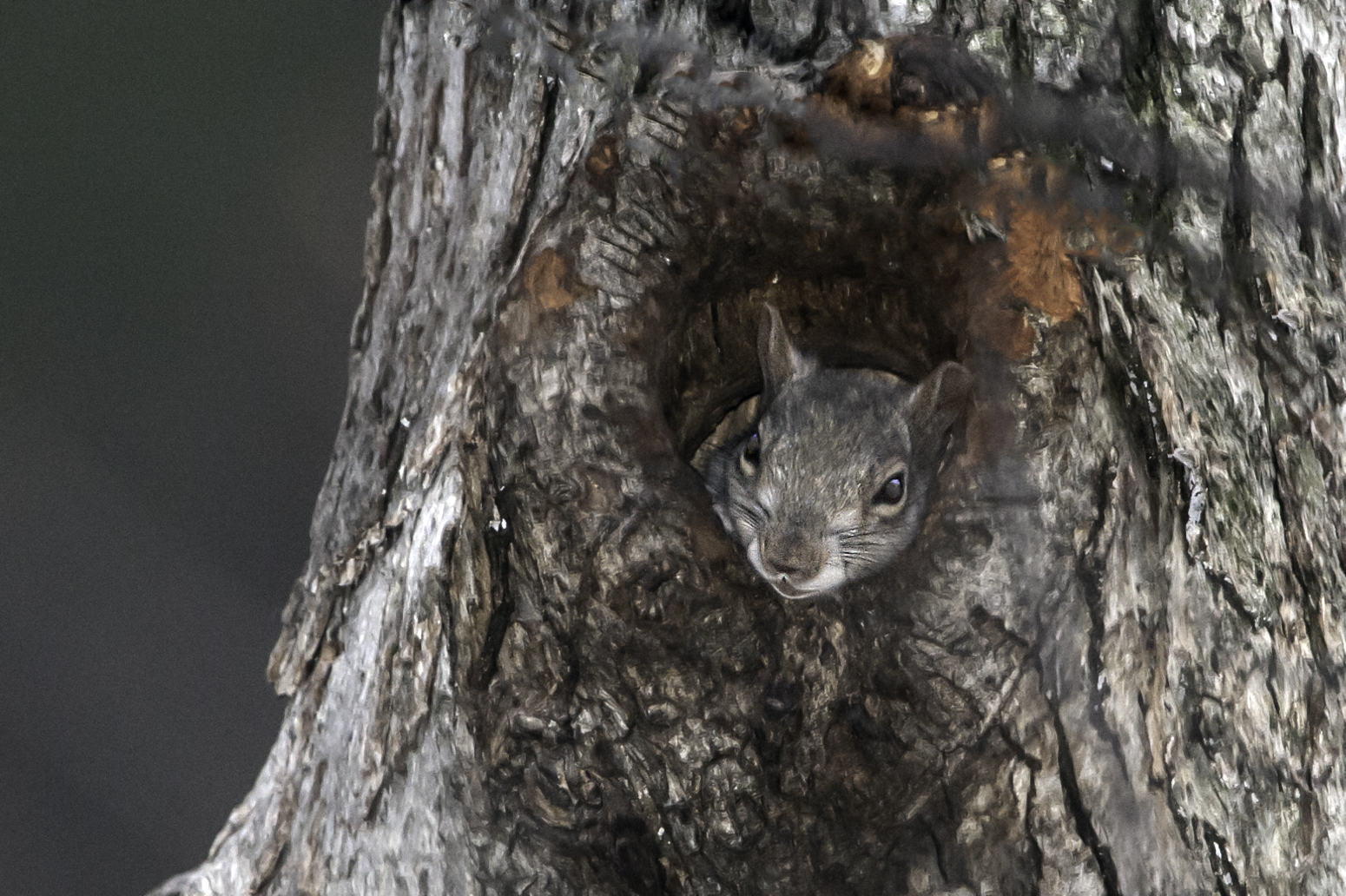
After entering the hole in the tree, the squirrel turned and stared at me while I continued to photograph it.

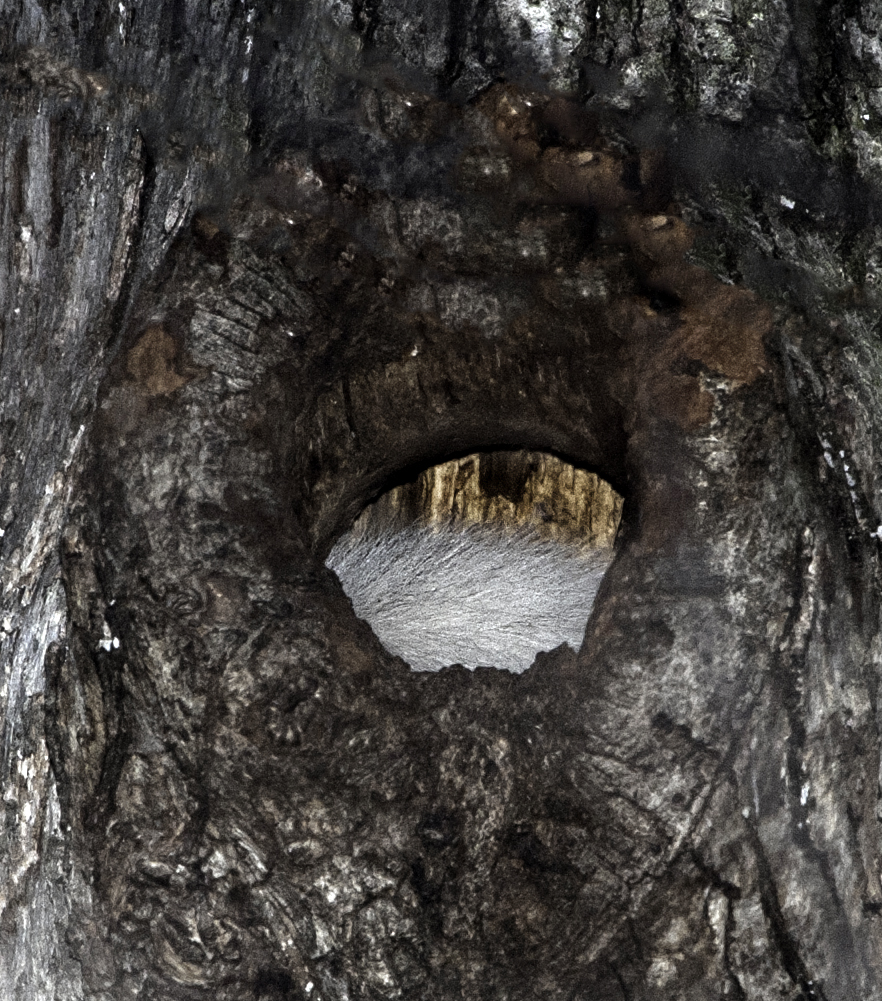
When no longer interested in me, the squirrel turned and disappeared into the tree, although I was able to get a photo (below) of its white tail in the tree before it totally disappeared. The light from my speedlight made it appear as though the squirrel had its lights on in its nest for the evening, but actually the speedlight lit up the bare wood in the back of the hole.

I am excited to have been able to photograph this unusual squirrel, and also excited to see that its nest is directly facing my house. I will be watching it closely this summer, because if the squirrel is a female, it may raise its young in that nest, and I will be able to photograph them.

In case you are new to my blog, in December, I spent several days in Carrabelle, Florida, where I saw and photographed totally white squirrels, which are very rare except for a few locations around the country. I posted an article about Carrabelle, which contains photos of the white squirrels. The link to it is:  https://stevetabone.wordpress.com/2011/12/18/carrabelle-in-the-panhandle-of-florida/

Posted in Nature, Wildlife | Tagged , | 88 Comments

Spring Buds and Blooms

On Sunday morning, I went to Leesylvania State Park in Prince William County with one objective in mind, to see and photograph up close the new emerging buds, blooms, and other early growth using my 105mm macro lens. It was overcast, so there was filtered light, which was good, since it was late morning. I also used my speedlight (flash), off camera.

As it turned out, it was a spectacular couple of hours. As I walked through Bushey Point toward the Potomac River, everywhere I looked there was new growth. It was windy along the river so movement was a bit of a problem, but I compensated with shutter speed and patience.

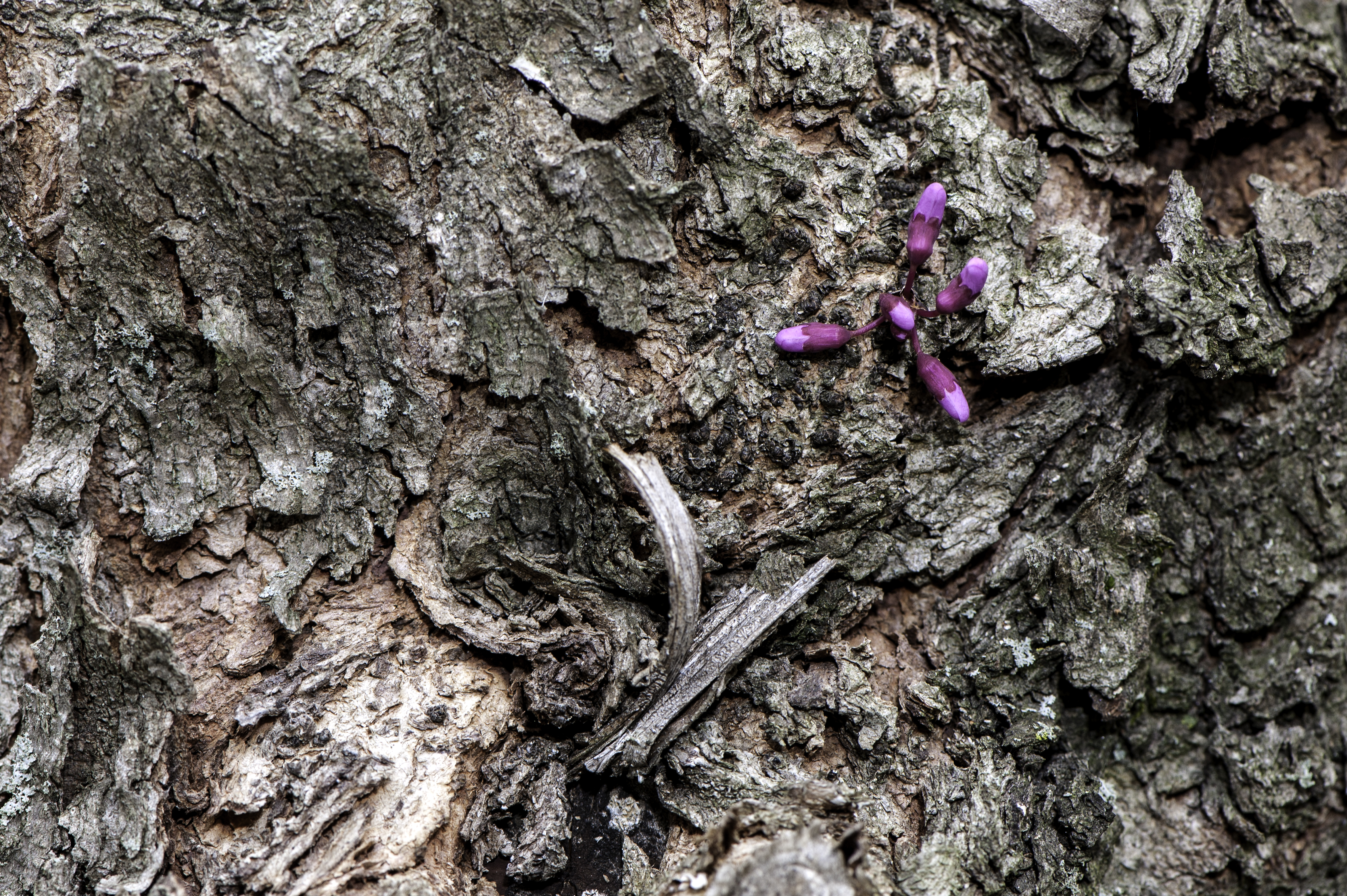
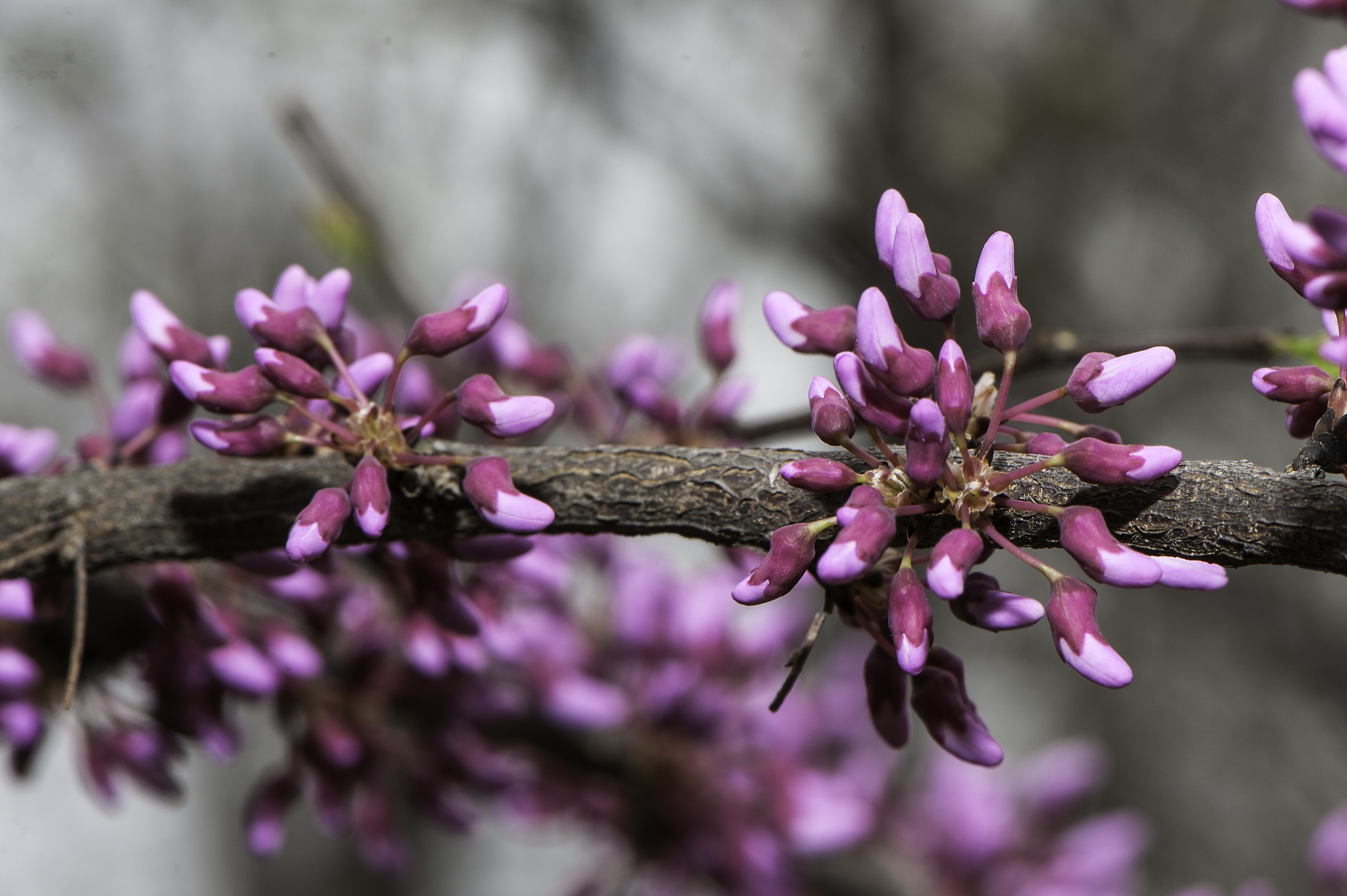
As I entered Leesylvania, I immediately noticed a few Eastern Redbud trees beginning to bloom, at the same location where they bloom each spring. I pulled over and shot the following images. You can see why I stopped. The trees were covered in colorful buds and blooms. Below, the tree’s old, ragged bark and its single set of colorful, new buds captured my attention.

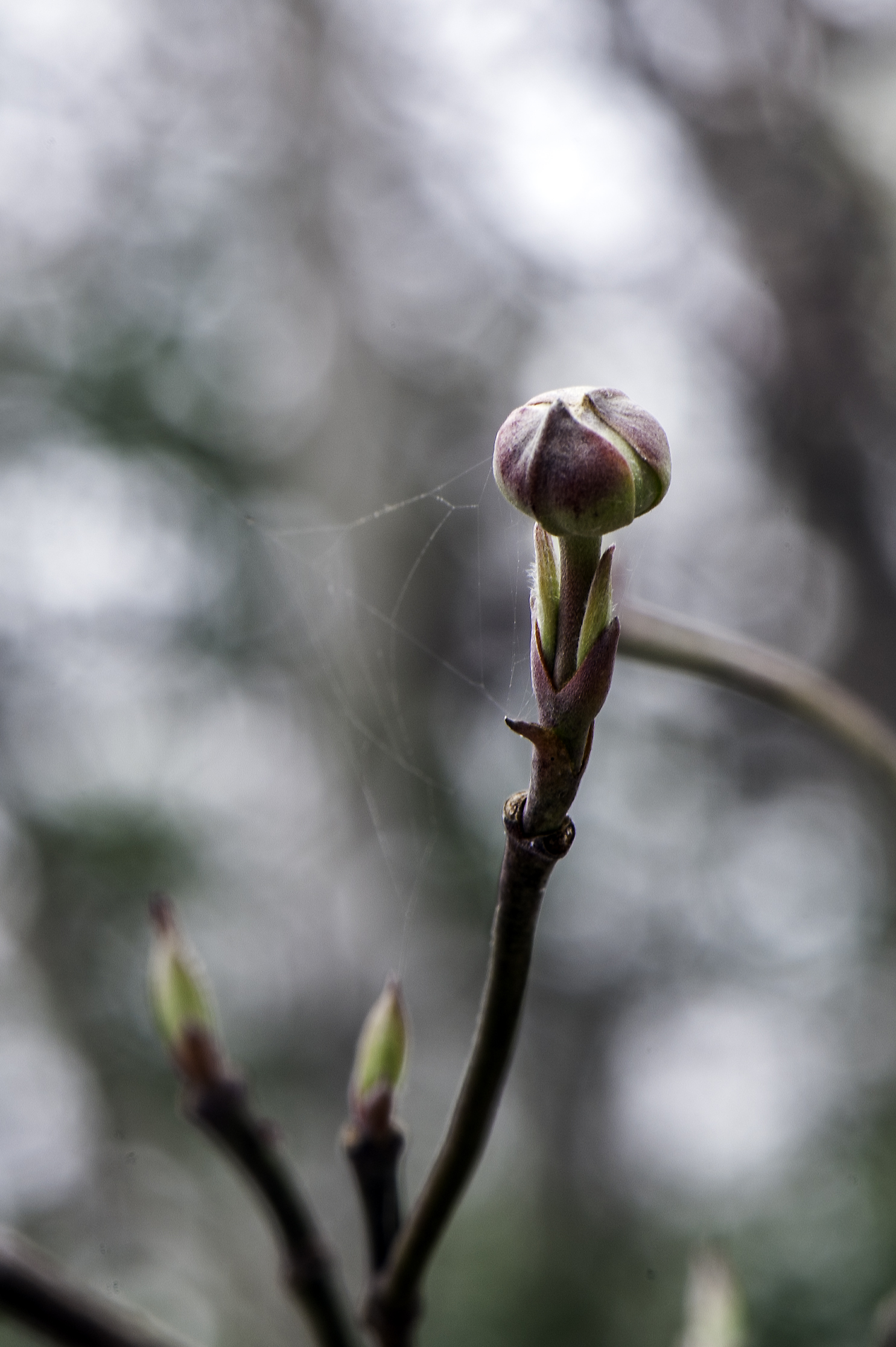
Initially, I thought that it would be hard to beat the beauty of the Redbud trees, but I was wrong, because there was beauty even in the simplest, single tree bud (below).

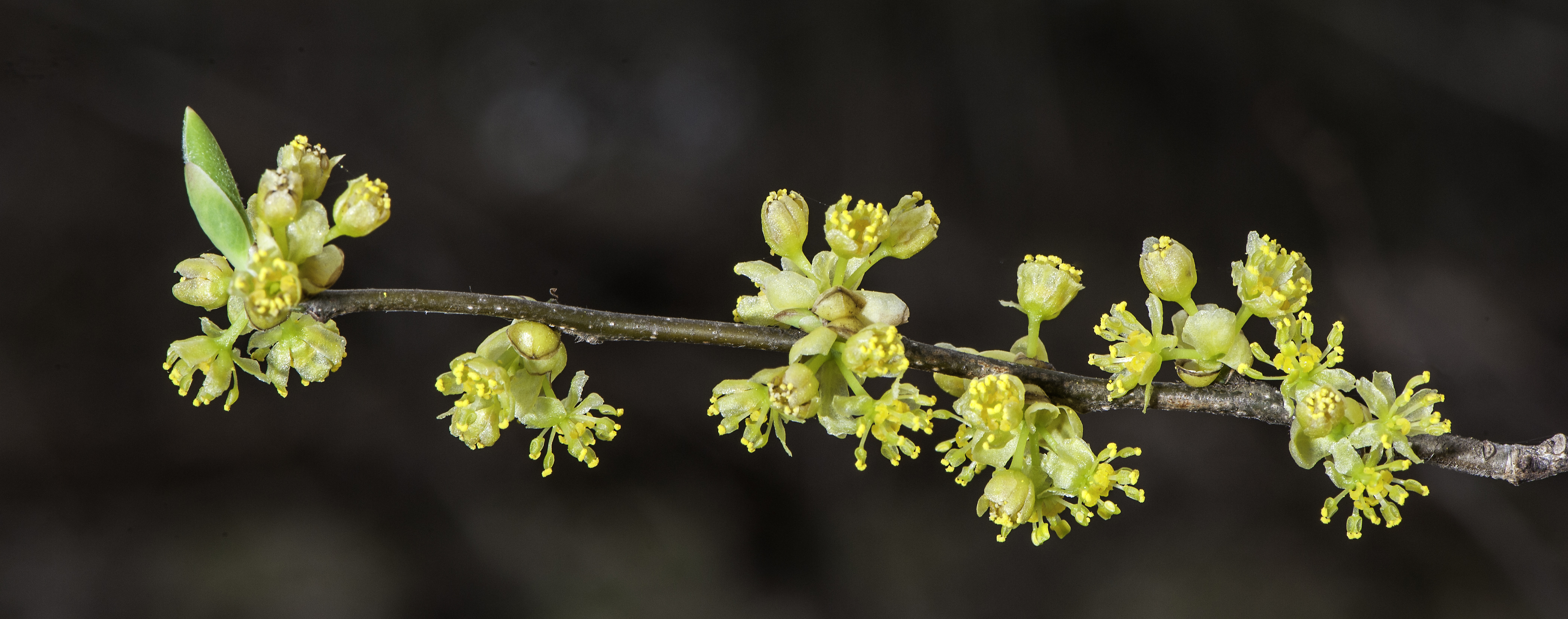
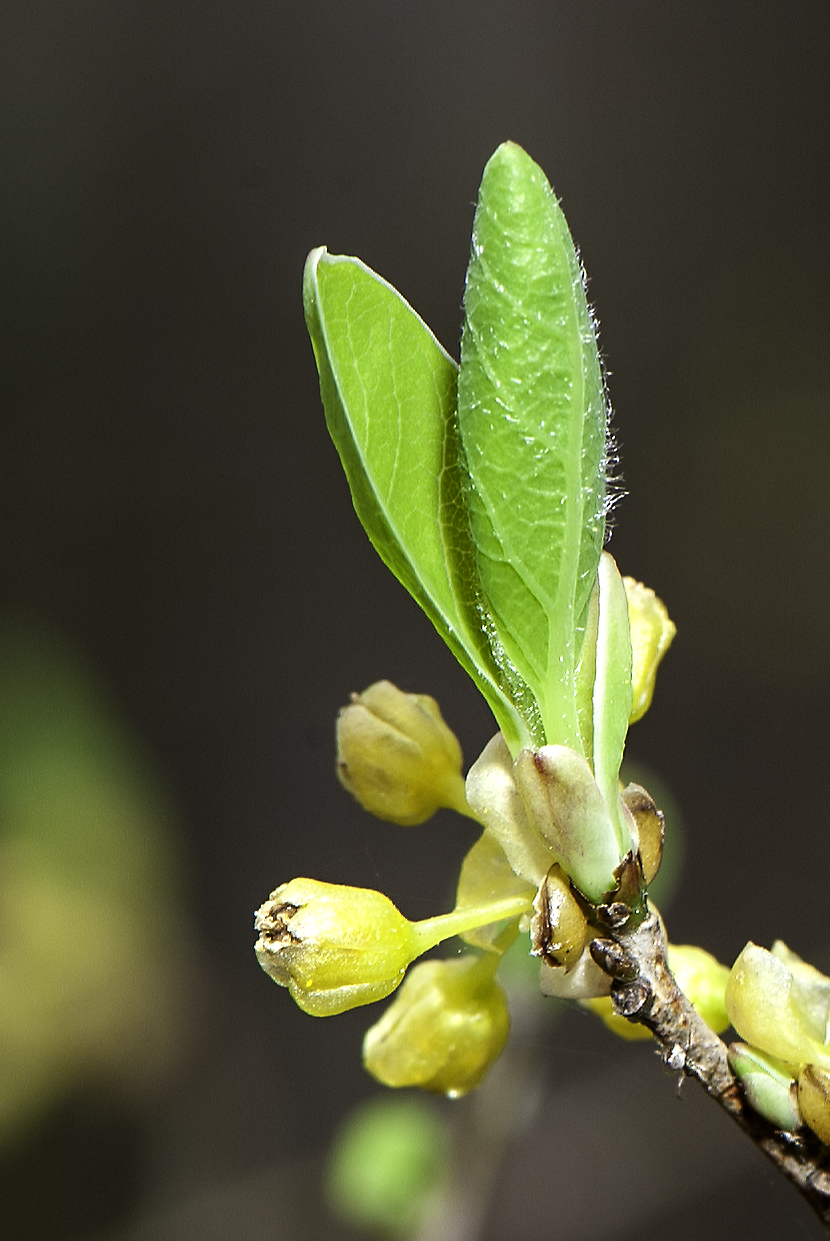
As I approached the river at the end of one branch of Bushey Point trail, there were tiny yellow buds (below) bursting out of the ends of several of the trees and very small leaves beginning to sprout out of the branch tips.

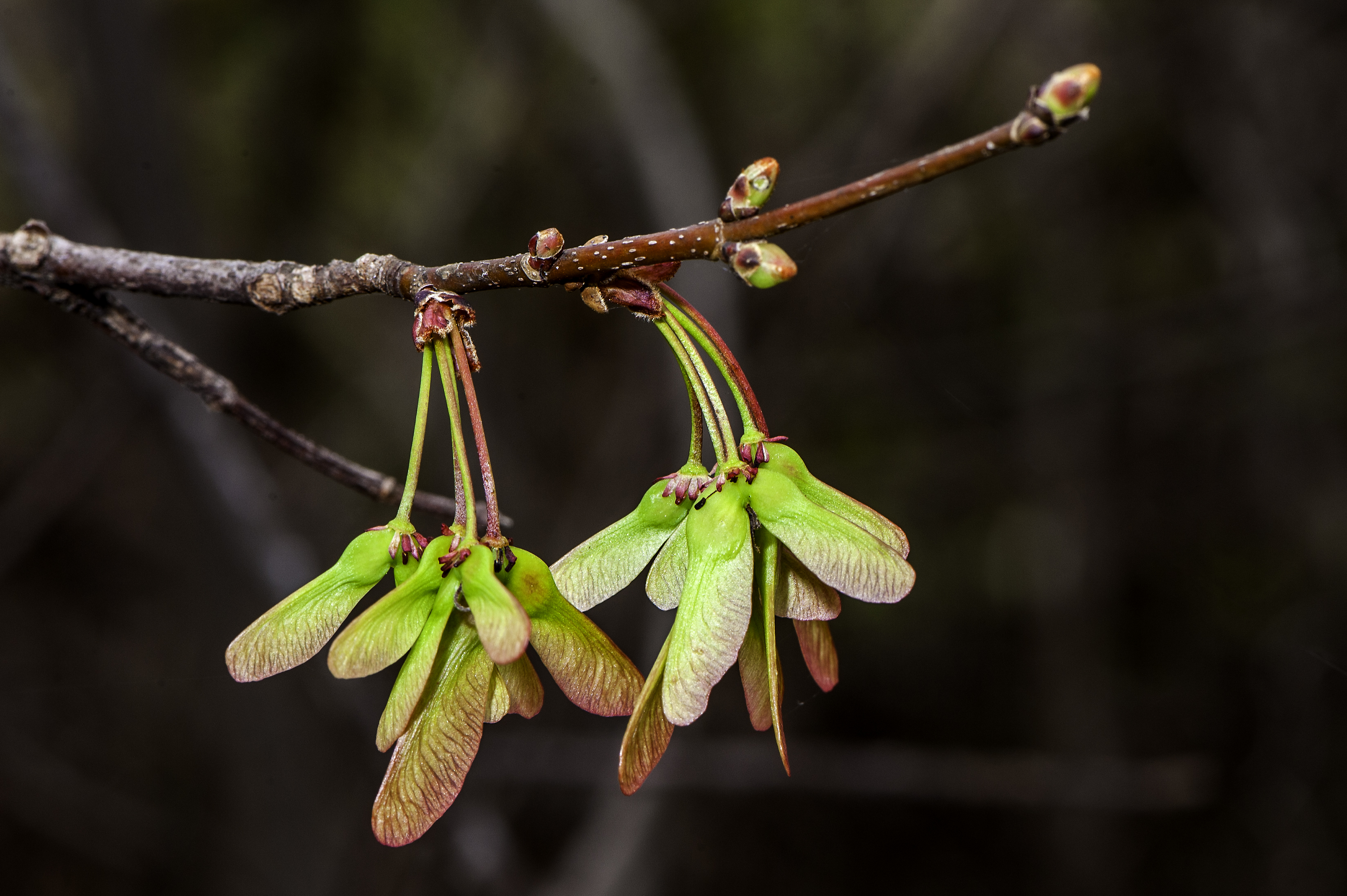
As I was returning from the river, I noticed very small and colorful seed pod clusters (below) hanging from a tree. It was very interesting to see that one type of tree had already flowered and produced seeds, and it was only mid-March.

By the way, if any of you know the name of the above trees/plants, please provide them in a comment below. I do not know the names of many plants and trees, but I can appreciate their beauty.

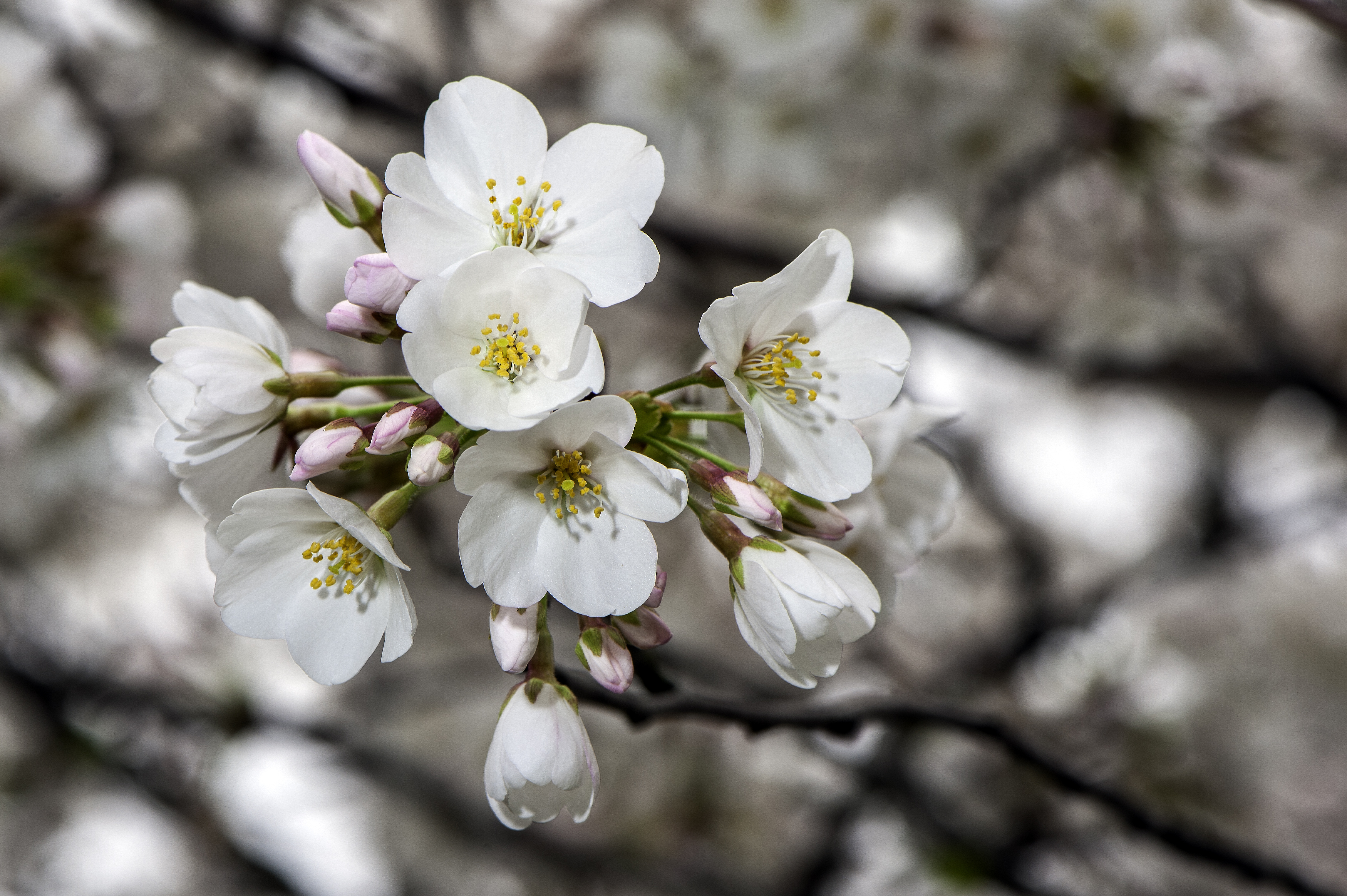
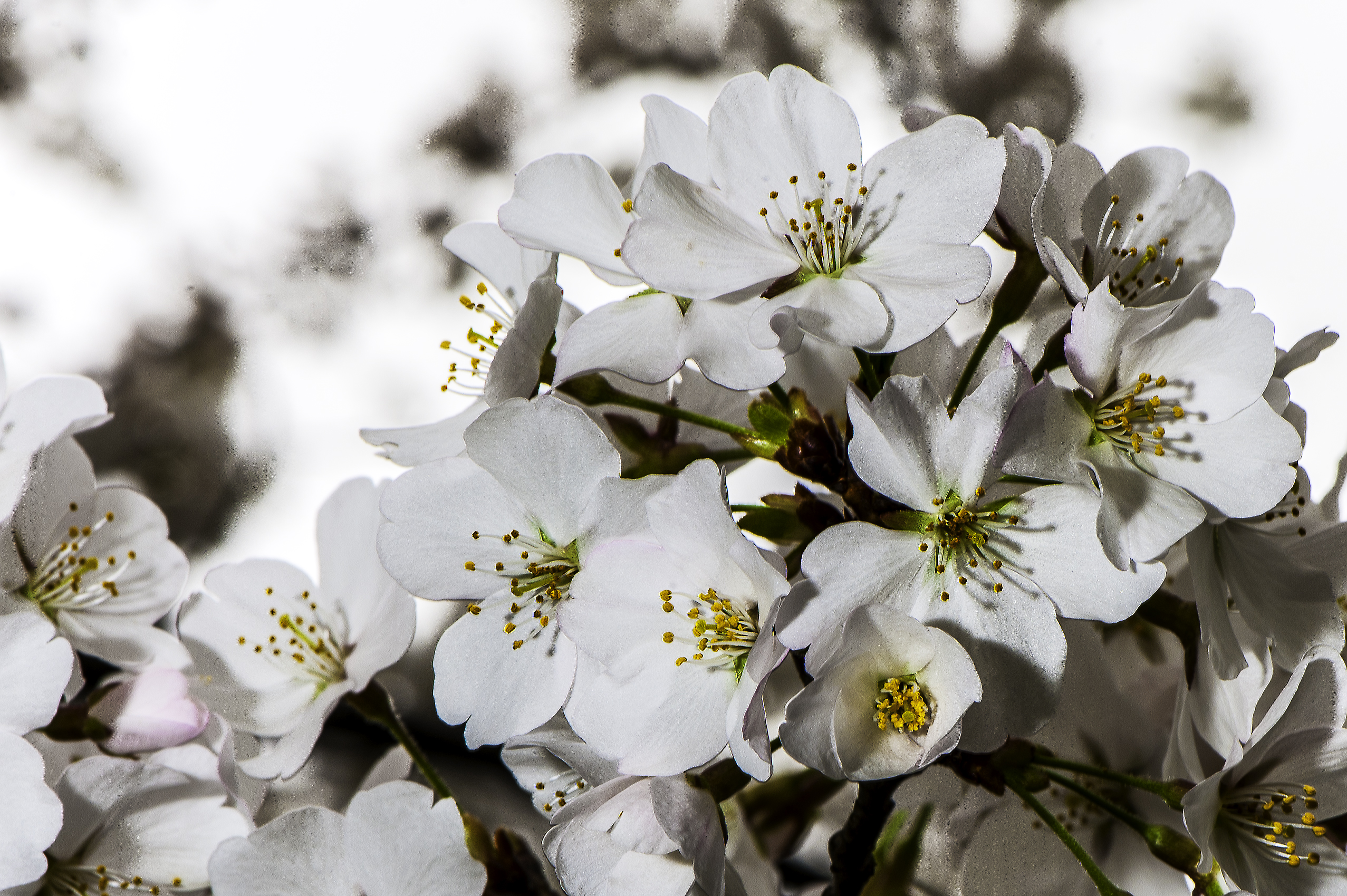
On the way home, I passed many flowering trees, to include cherry trees that I just could not pass up, so I stopped and photographed a few. One is at the top of this article and the others are below.

Sunday, weather permitting, I am planning to photograph the Bluebells at Merrimac Farm Wildlife Management Area. Bluebells only grow in shaded areas along creeks and only live about a month. They are the first plants to grow and bloom, and their colors are a brilliant contrast against the otherwise browns of early spring. Click on this link for an article and Bluebell images from last year. https://stevetabone.wordpress.com/2011/04/09/virginia-bluebells-at-merrimac-farm-wildlife-management-area/

Posted in Merrimac Farm Wildlife management Area, Nature, Spring Photographs | Tagged , | 8 Comments

White-throated Sparrow

It’s been awhile since I added a new post to my blog and that is primarily because I was in Florida visiting family (without my camera gear). It was a quick trip and photography was not the purpose of the trip. However, I am back and anxious to get out again especially because spring is exploding here in northern Virginia.

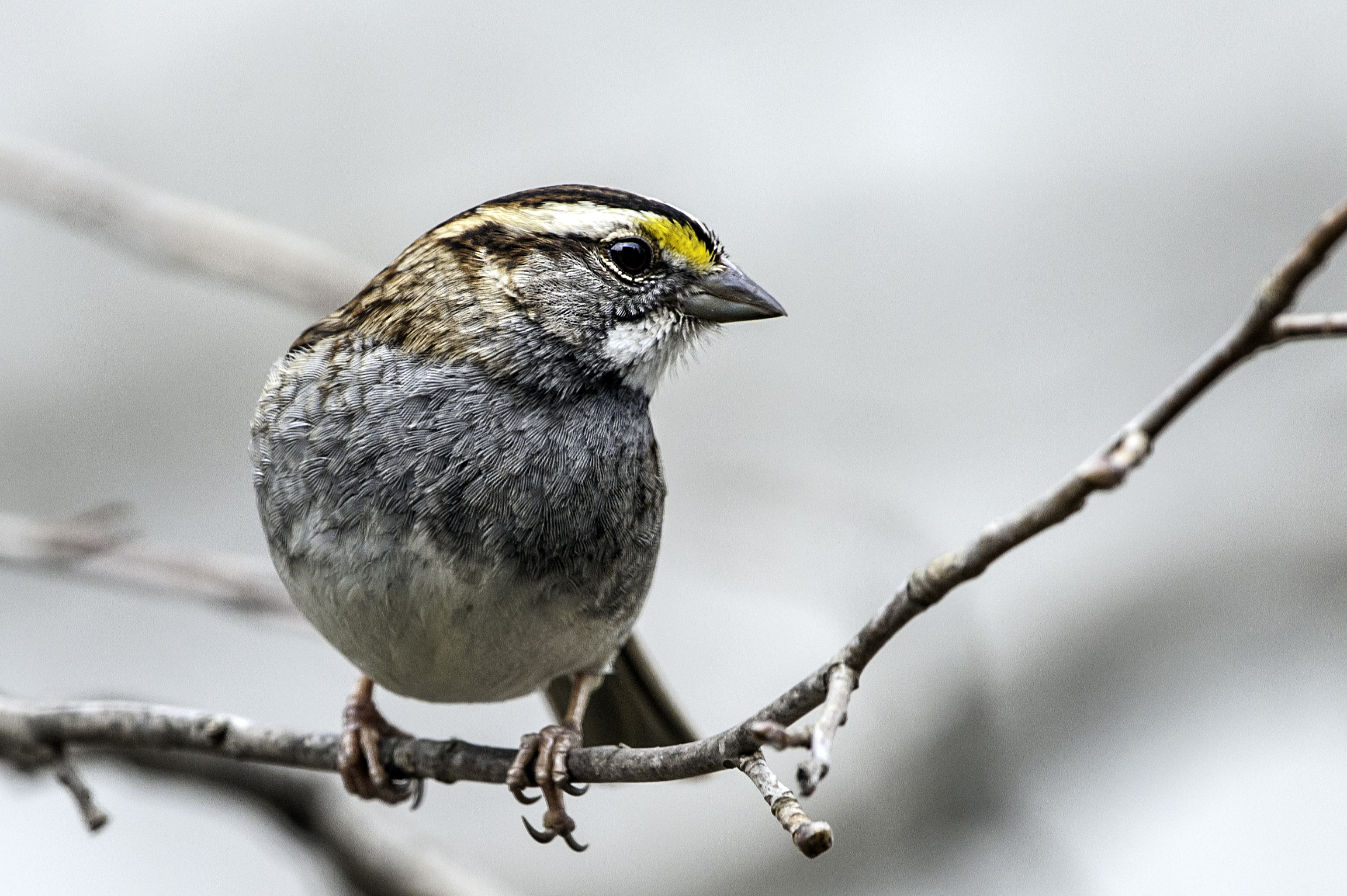
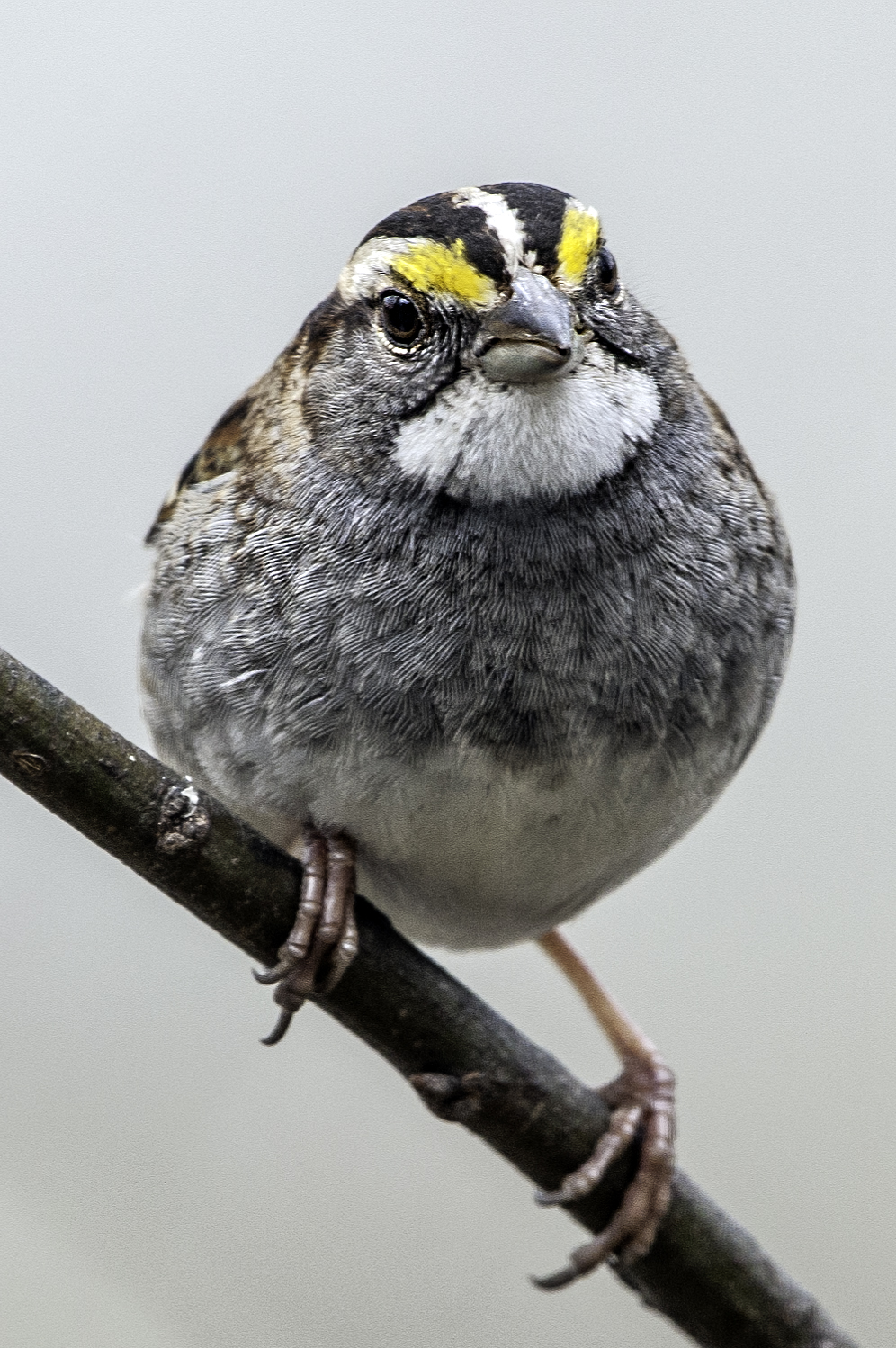
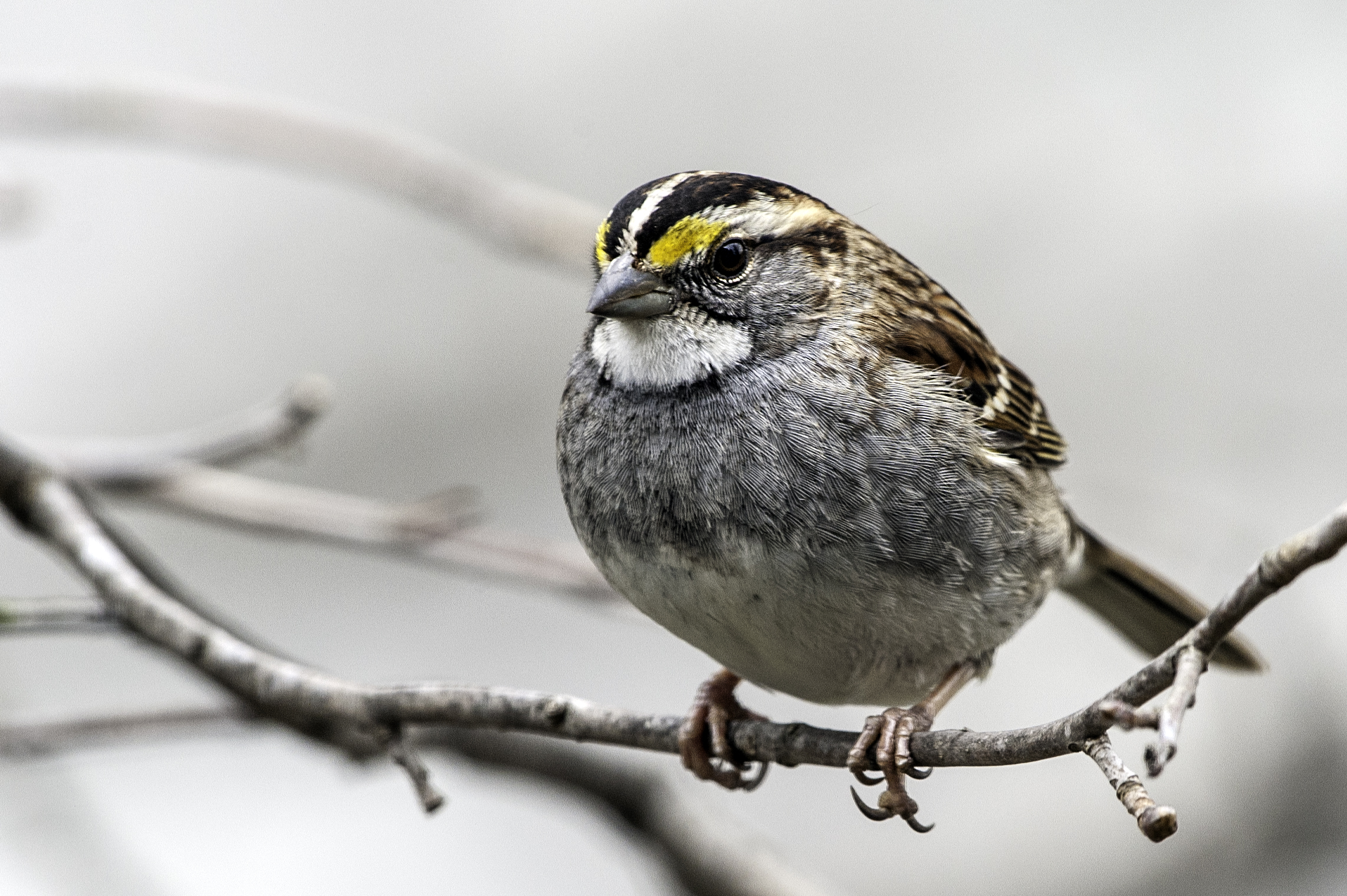
After returning from Florida, I set up my Nikon D700 camera and 600mm lens to photograph a new visitor to the trees behind the house–a White-throated Sparrow.  I have seen many sparrows around the house, but this was the first time I saw a White-throated Sparrow.  As can be seen by the images, it is a pretty sparrow with very distinctive white and yellow markings.

White-throated Sparrows migrate to the mid-Atlantic and southern states from Canada and northeastern and northwestern states, where they spend the summer and breed. They eat mainly the seeds of grasses and weeds, including ragweed and buckwheat, as well as fruits of sumac, grape, cranberry, mountain ash, rose, blueberry, blackberry, and dogwood. In the summer, they eat large numbers of insects.

I enjoyed seeing and photographing this White-throated Sparrow and hope to see more around the house next winter.

Posted in Uncategorized | Tagged , | 8 Comments