Barred Owls Mating

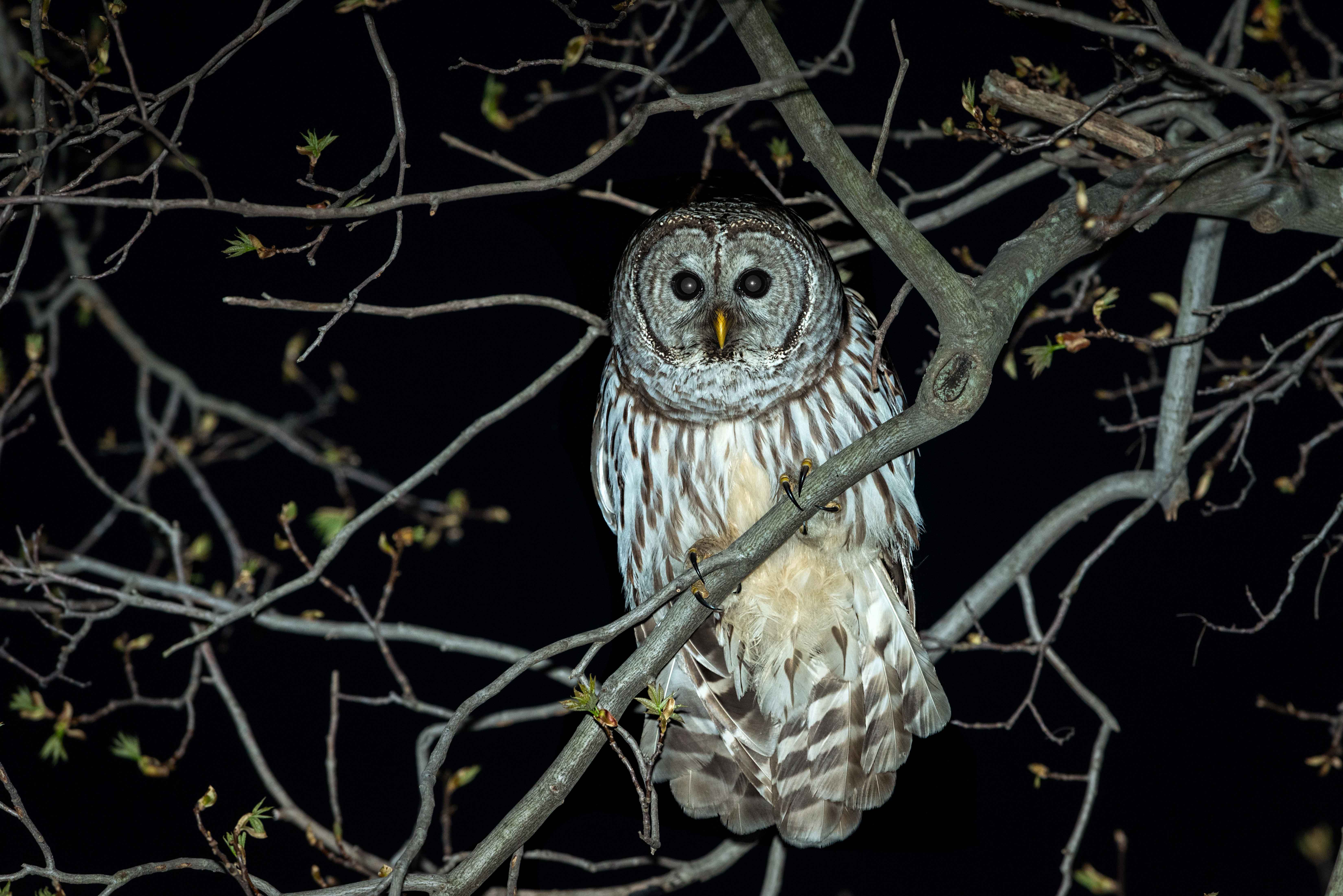
Barred-Owl-in-Tree-at-NightMonday evening was a beautiful spring night, warm and comfortable. I was enjoying it from my office with the sliding glass door open onto my upper deck overlooking the lake. It was very quiet until I heard one of the pair of Barred Owls that live in the wooded areas around the lake. They were calling back and forth to each other. Their calls were very loud. They sounded close.  I quickly grabbed one of my cameras that I keep ready and mounted on a tripod with a speedlight (flash) and Better Beamer.

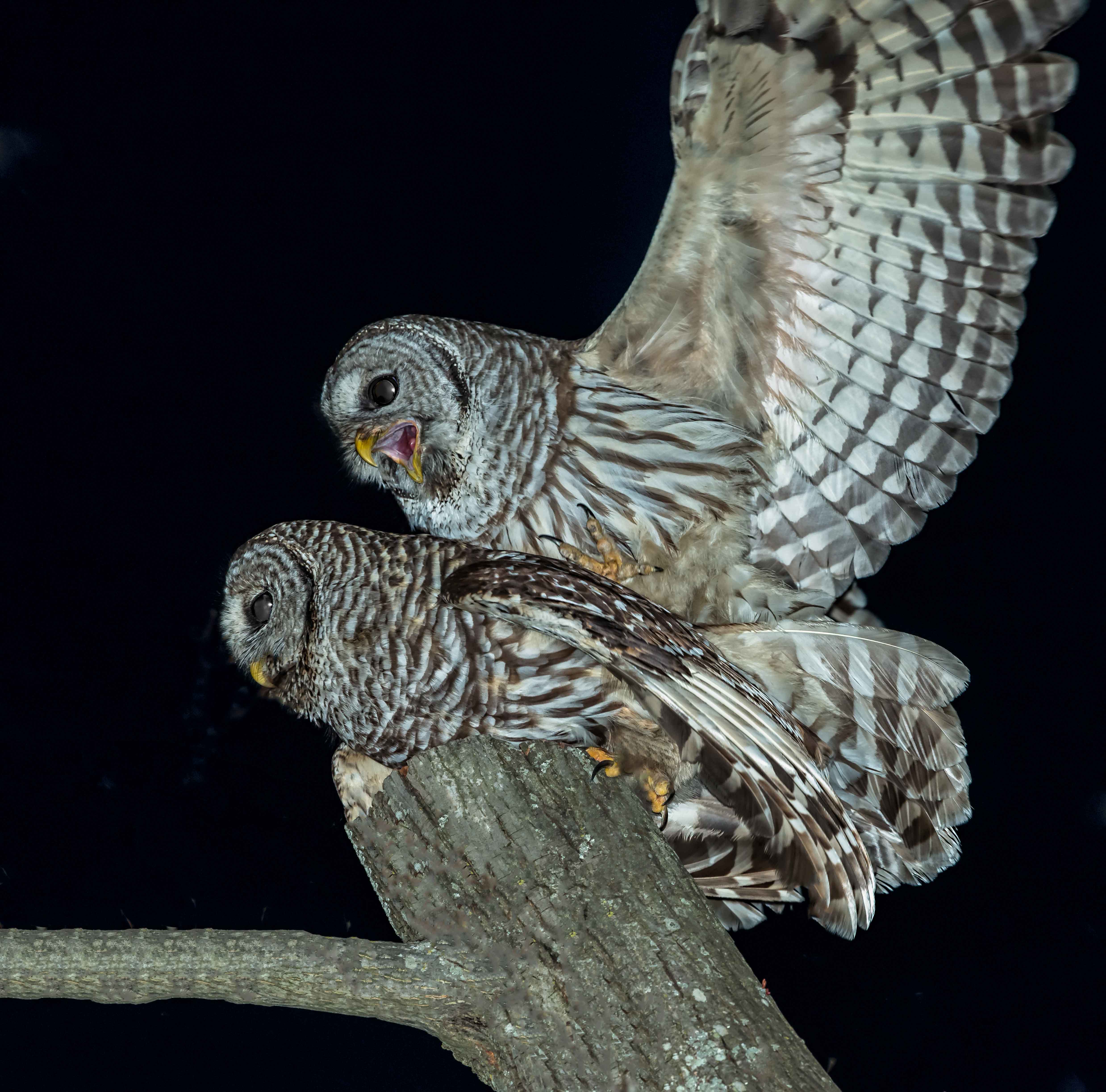
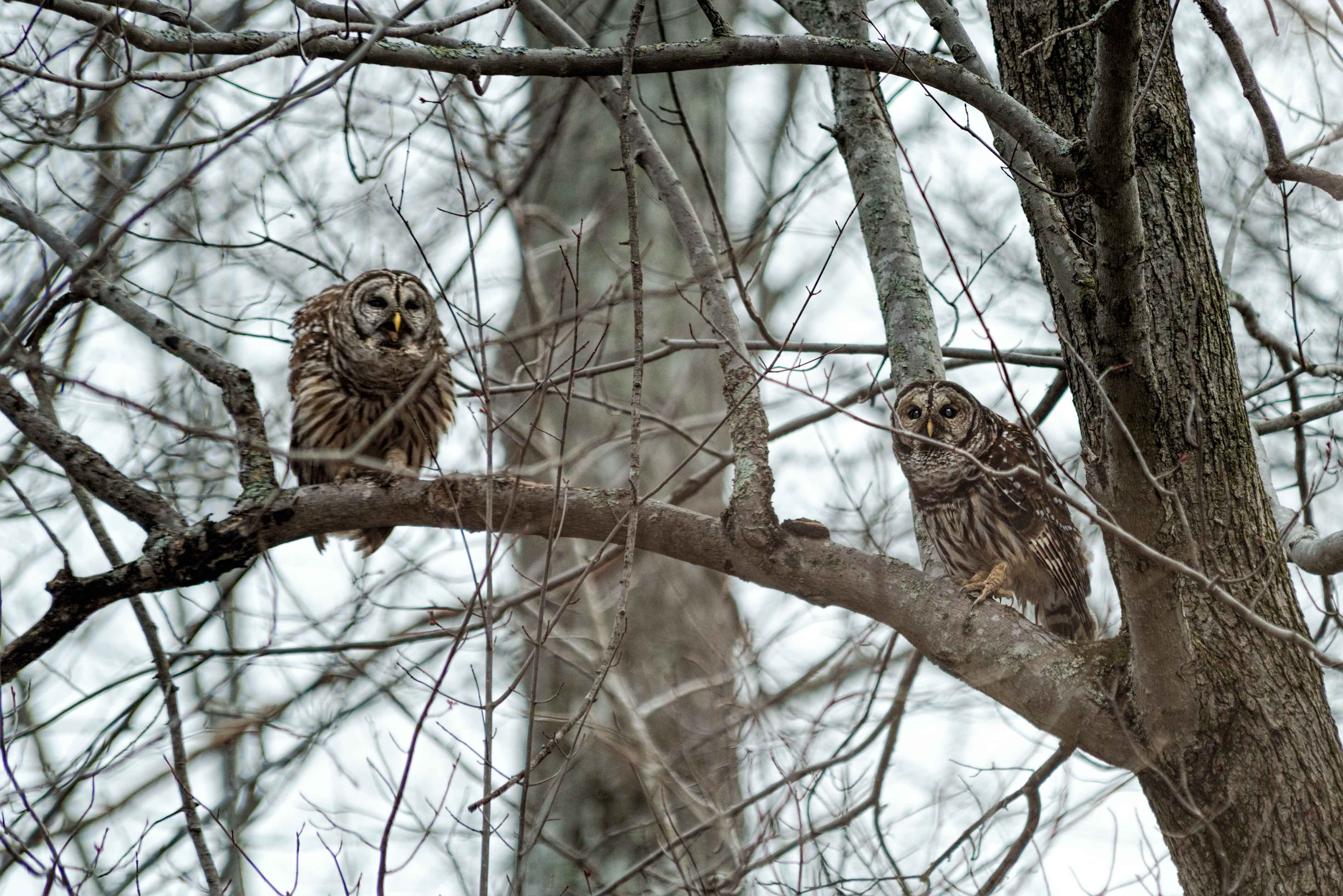
They owls were in the trees between my house and the lake. I began photographing them, but most of the time the owls were partially blocked by tree limbs. Occasionally, as they moved about while inspecting me, they were in the open and unobstructed. The pair of owls were in separate trees, but suddenly the male flew to the female, and they mated. They were in the open, and I was able to get the below image.

Barred-Owls-Mating-2

It was a lucky night for the male owl and for me, since I was able to capture the action. I have not located their nest, but will be looking for it with the hopes of photographing the owlets before they fledge the nest.

The above images were taken with a Nikon D800 and 600mm lens, exposed at 1/1000 sec,  f/8, ISO 3200, and with an SB910 speedlight.

Comments on my blog and this article are appreciated and can be entered by clicking on “Comments” found below the Like this: section. You can also read other’s comments there.

Posted in Bird Photographs, Lake Montclair, Nature, Wildlife | Tagged | 6 Comments

Outstanding Spring Weekend – Wood Ducks & Wild Turkeys

Wood-Duck-at-Huntley-Meadows

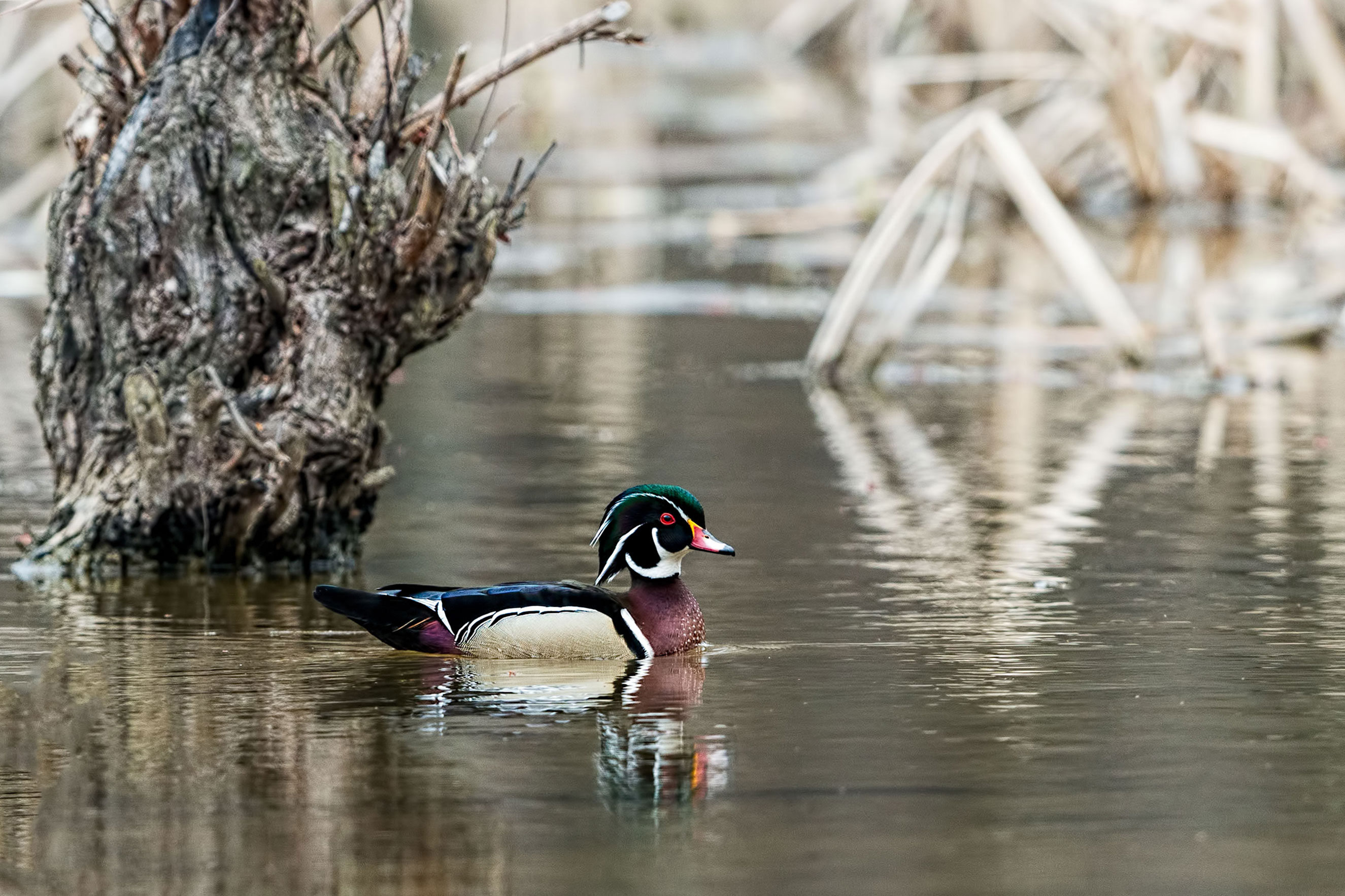
Spring has finally arrived in northern Virginia. The Daffodils, Forsythia, and various trees are blooming, and most other plants are budding and showing signs of growth. It is a great time to be outdoors after months of hibernating indoors to escape one of the coldest winters on record. Taking advantage of the warmer weather, I went with a friend and photography partner, Ernie Sears, to Huntley Meadows Park on Friday and Merrimac Farm Wildlife Management Area on Sunday.

Drake-Wood-Duck-at-HMP

At Huntley Meadows, our goal was to photograph Wood Ducks. Huntley Meadows is a 1,500 acre park consisting of wetlands and forests and is well known as a prime birding location. It is also known for Wood Ducks, having many nesting boxes located in the wetland areas. I was successful photographing Wood Ducks there last year, and at this time of year, the Wood Ducks are seeking tree cavities and nesting boxes.

Drake-Wood-Duck-at-HM-3

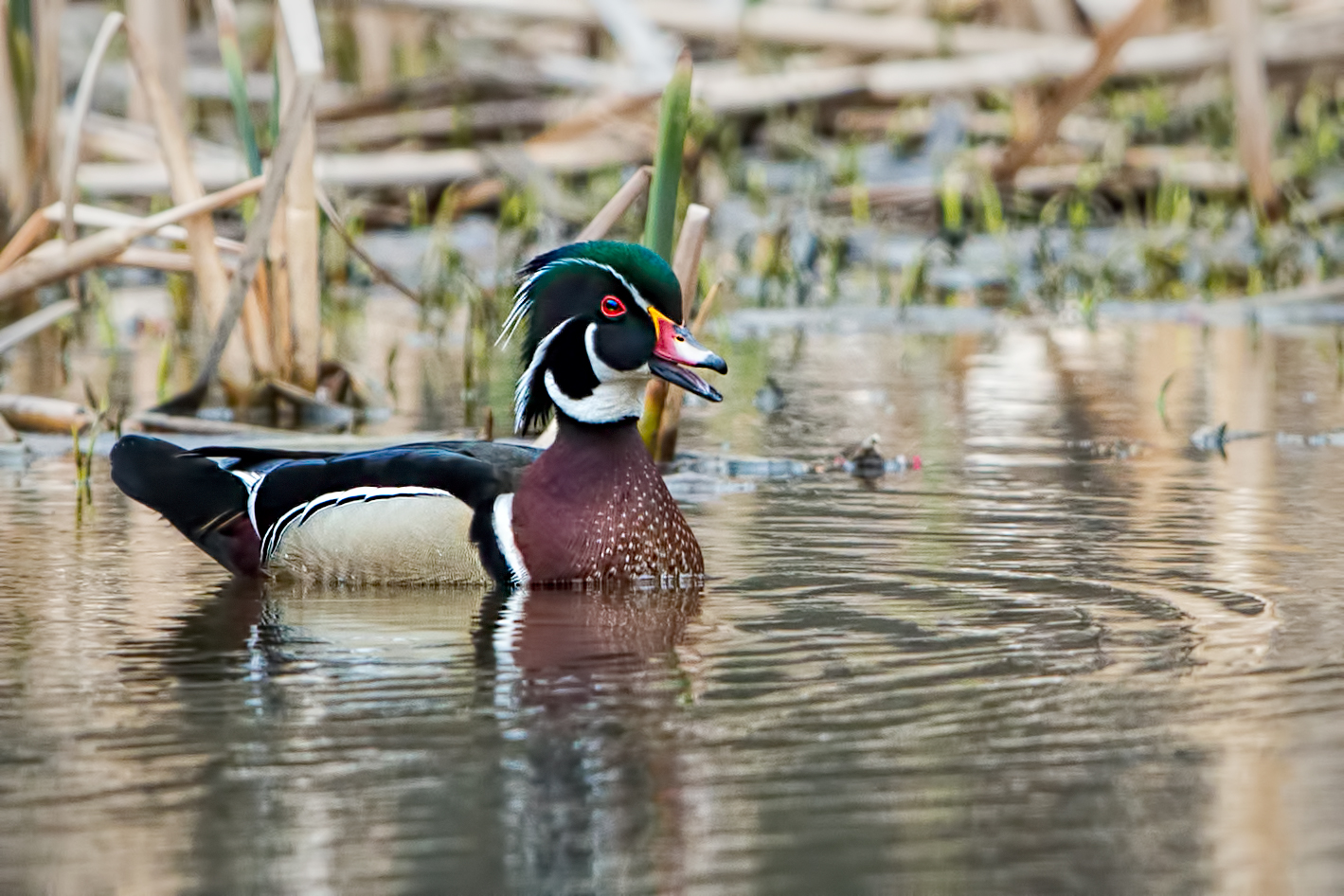
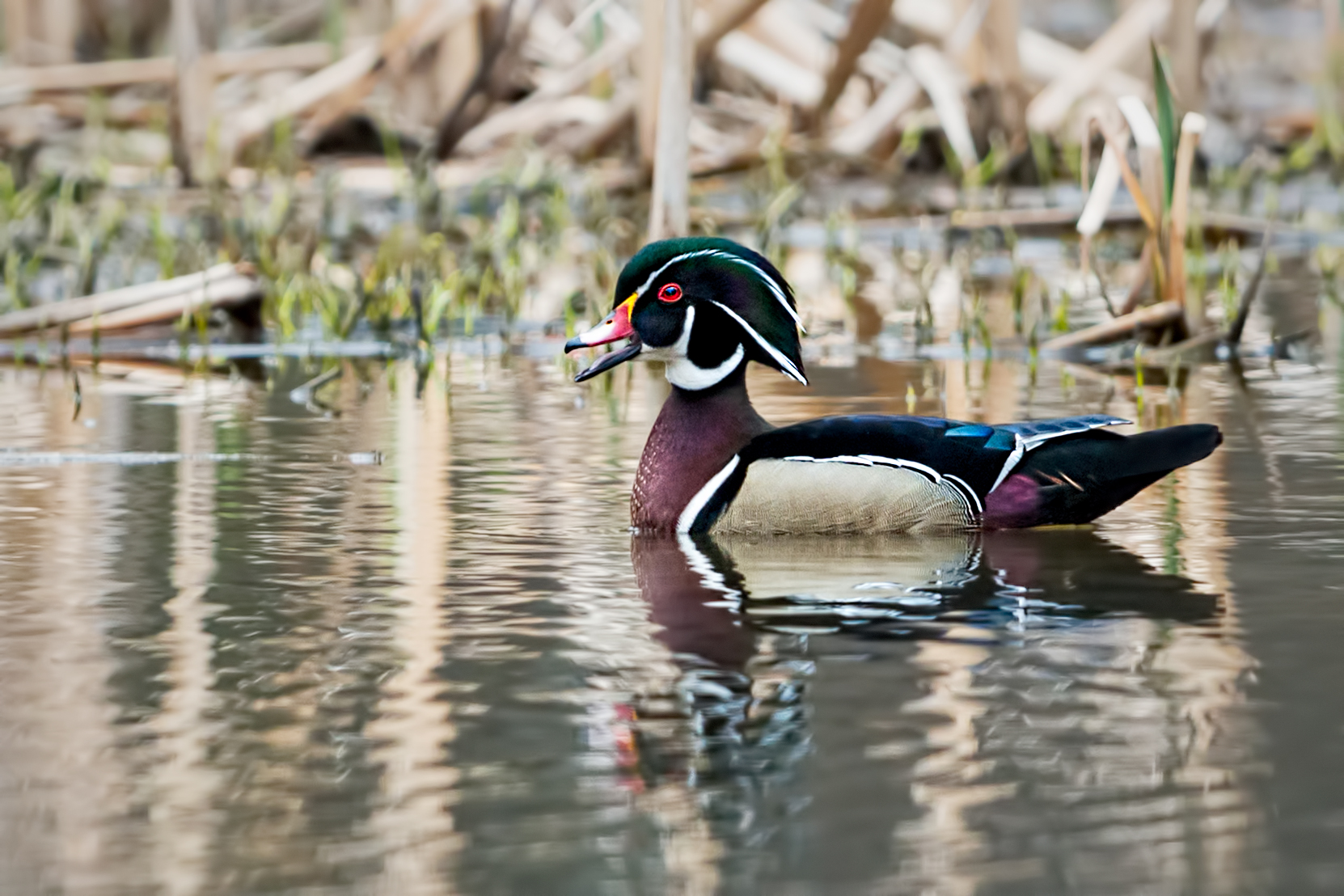
Ernie and I arrived at Huntley Meadows shortly after sunrise and went first to the location where we photographed the Wood Ducks last year. We waited for over an hour at that location with little wildlife activity and no Wood Ducks. We spent the next hour searching other areas of the park and saw a variety of waterfowl and other birds, but no Wood Ducks. About two hours later, and back at our starting location, Ernie spotted a drake Wood Duck that came out from behind some reeds to look for its mate.

Drake-Wood-Duck-at-HM-4

Woods Ducks, although very colorful, seem to be masters at hiding and blending into their environment. They are also very wary of people and typically do not stay clearly visible for long, which was the case with this Wood Duck. As soon as it located its mate, the two ducks quickly moved out of sight. The drake was in open water long enough for us to get some excellent shots, but the female was always partially hidden before they disappeared. We both photographed the Wood Duck with our Nikon D800s and 600mm lenses.

Male-Wodd-Duck-1

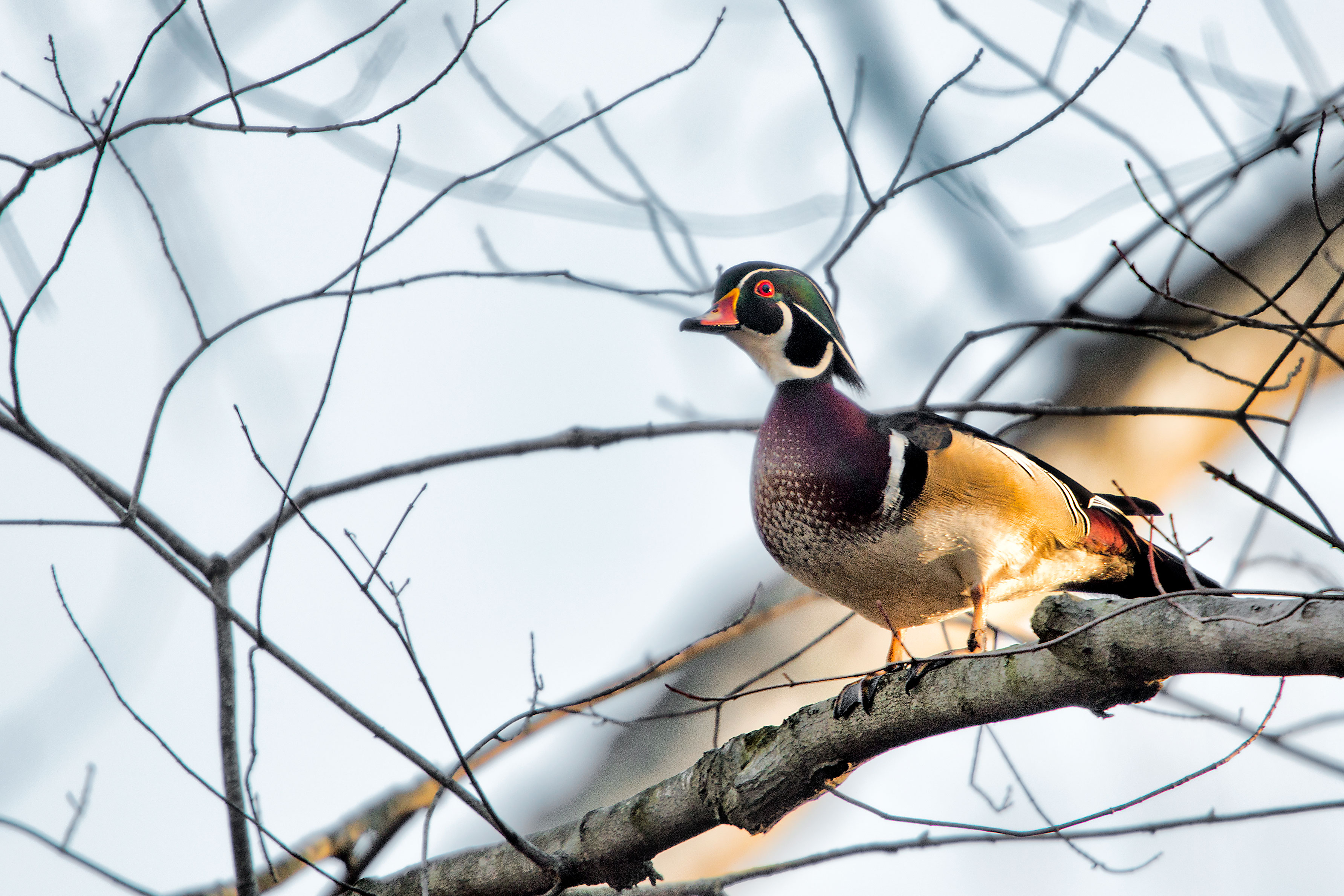
I was hoping to see and photograph Wood Ducks in the nearby trees, like the above and below images from last year at Huntley Meadows, but we only saw the drake Wood Duck and its mate on the water and only for a few minutes.

Male-&-Female-Wood-Ducks-1-cropped

The article I wrote last year, containing the above and more Wood Duck images is at:  https://stevetaboneblog.com/2013/03/17/wood-ducks-at-huntley-meadows/

Wild Turkeys at Merrimac Farm Wildlife Management Area

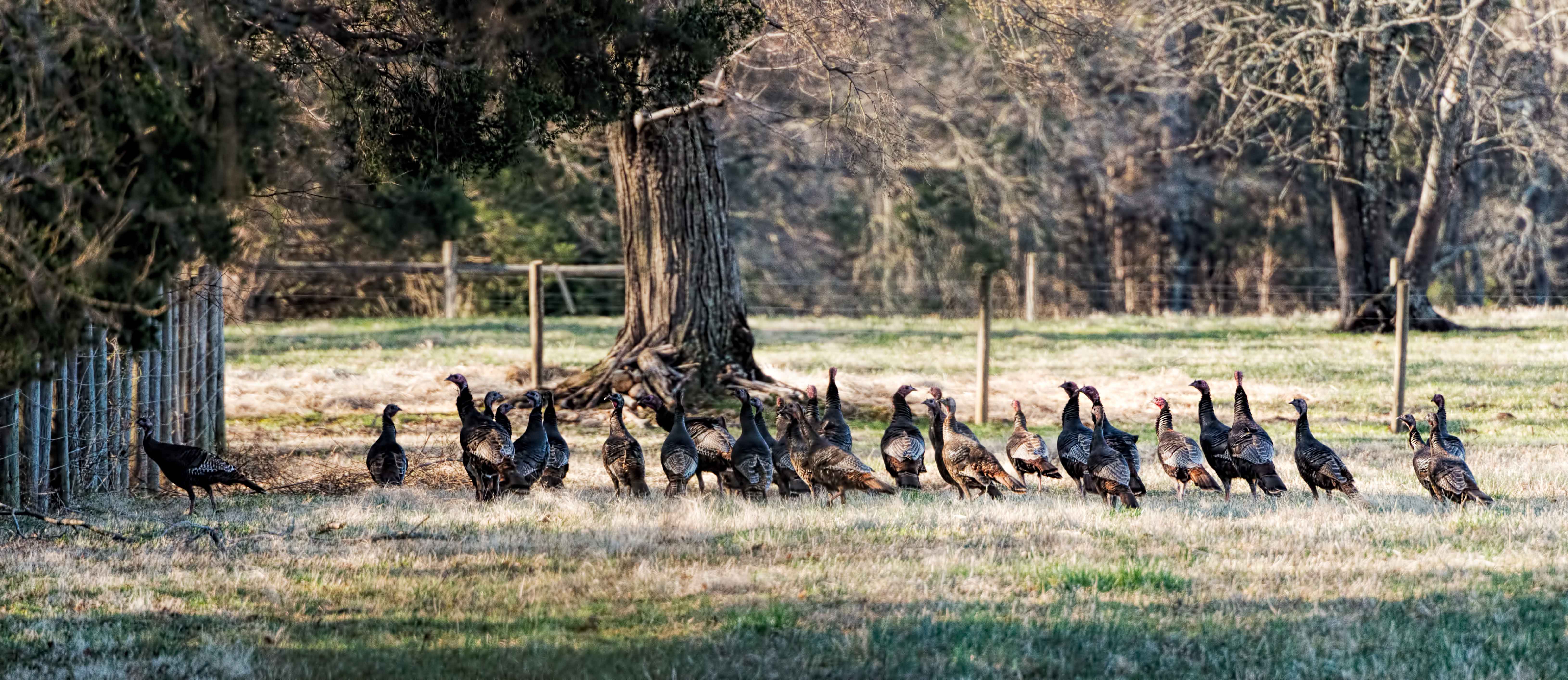
Turkeys-at-Merrimac-Farm-WMA

On Sunday, Ernie and I met at Merrimac Farm Wildlife Management Area early in the morning to look for turkeys to photograph. We both have seen small groups of Wild Turkeys at Merrimac, but had received recent reports of sightings of large flocks. Therefore, we had high expectations and were equipped with our Nikon 80-400s with TC14 teleconverters on our Nikon D800s with Nikon SB910 Speedlights and Better Beamers. That was the only camera gear we carried, traveling light and prepared to walk the Merrimac’s 300 acres if that is what it was going to take to find the turkeys.

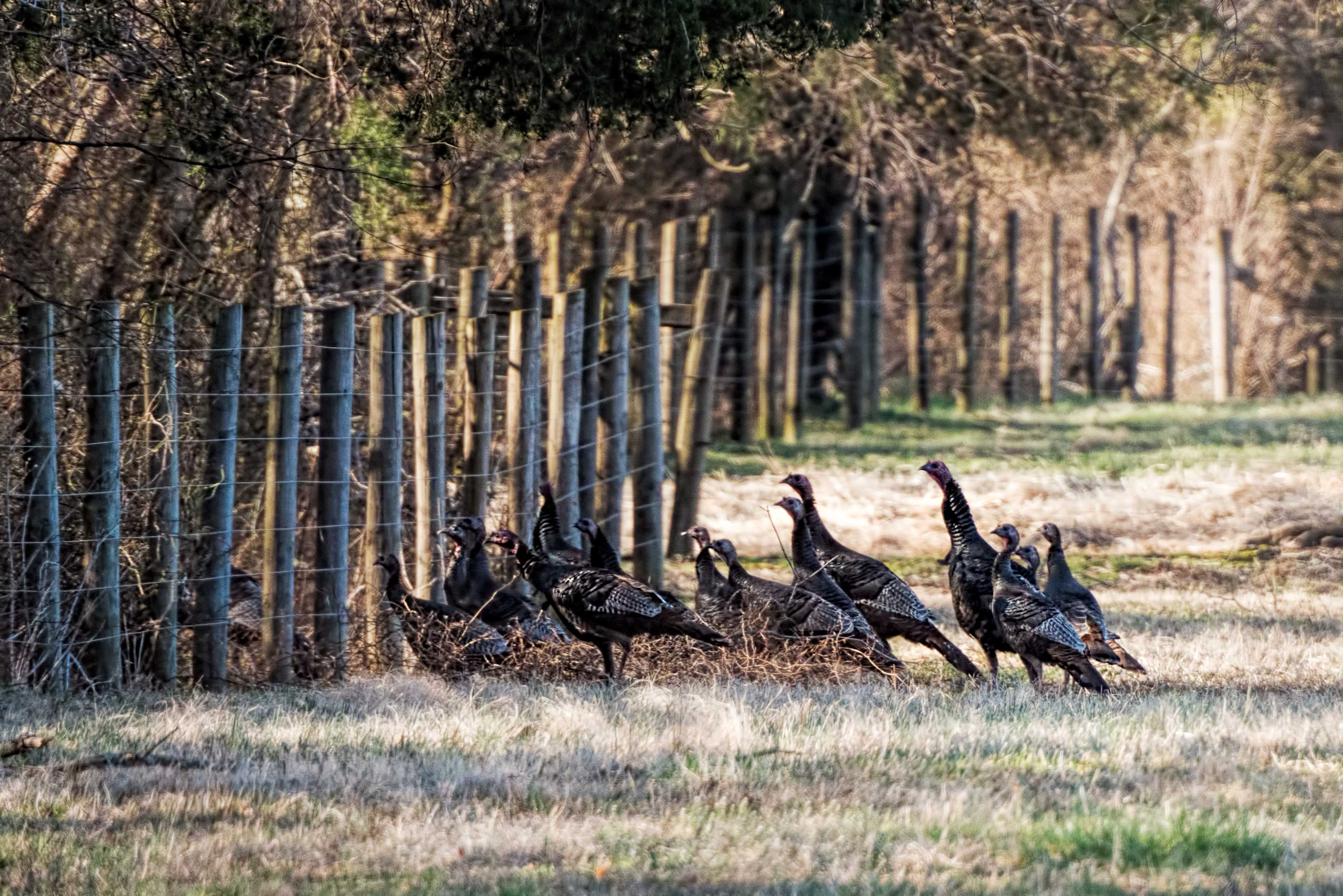
Turkeys-at-Merrimac-Farm-WMA-2

We walked areas of Merrimac that I had not been to before. We hiked for well over an hour without seeing much wildlife and not hearing or seeing any turkeys, when we spotted a flock of Wild Turkeys in an adjacent farm, but very close to Merrimac. Quietly, we moved close to a barbed wire fence separating Merrimac from the private farm. The turkeys were about 100 yards away. As we moved toward the fence, I began photographing, knowing that when the turkeys spotted us, they would run or fly away. I managed to get off a couple of halfway decent images of them under a tree before they spotted us and began running through the fence and back to Merrimac. There were 30 turkeys, more than I had seen together before.

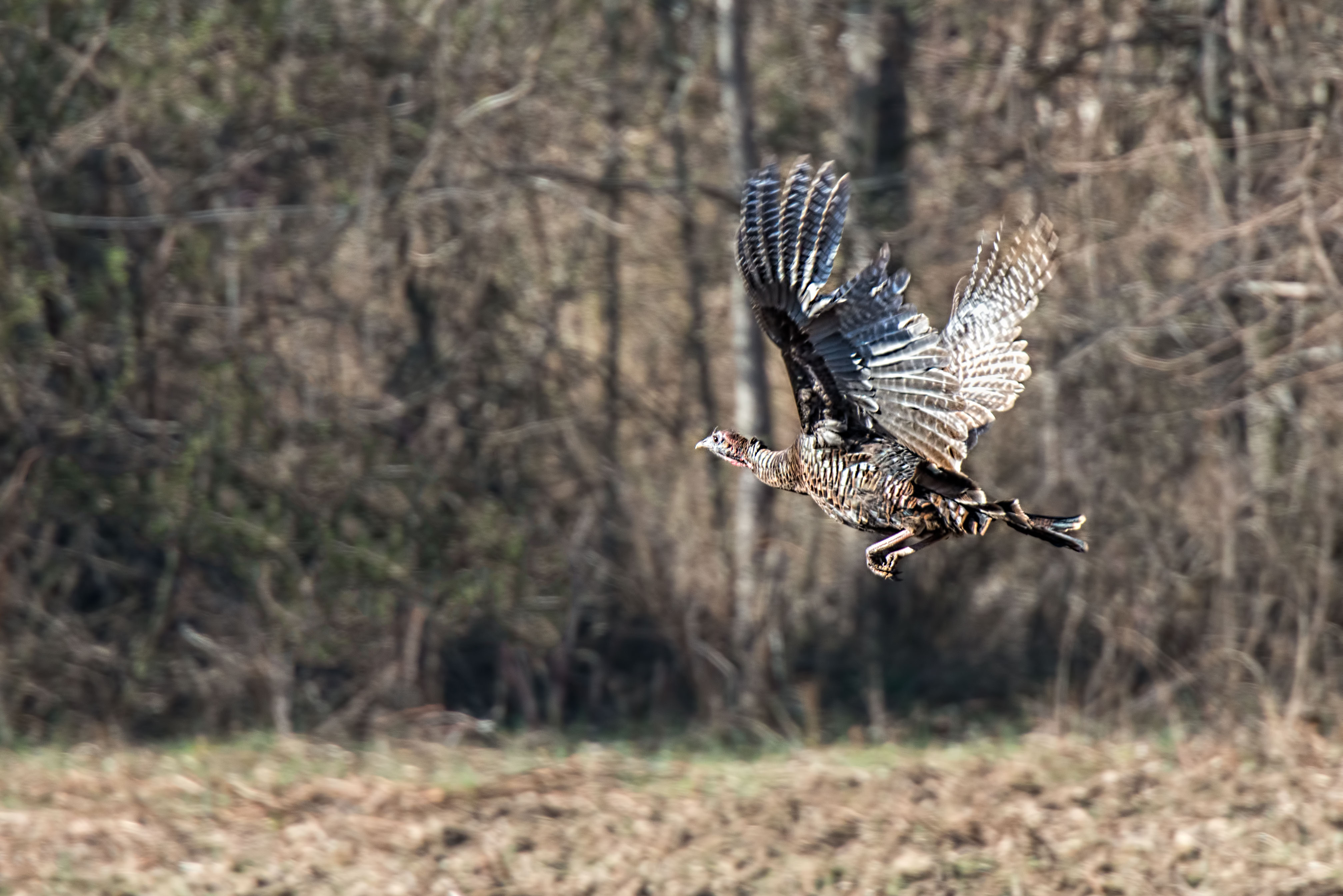
Turkeys-at-Merrimac-Farm-WMA-3

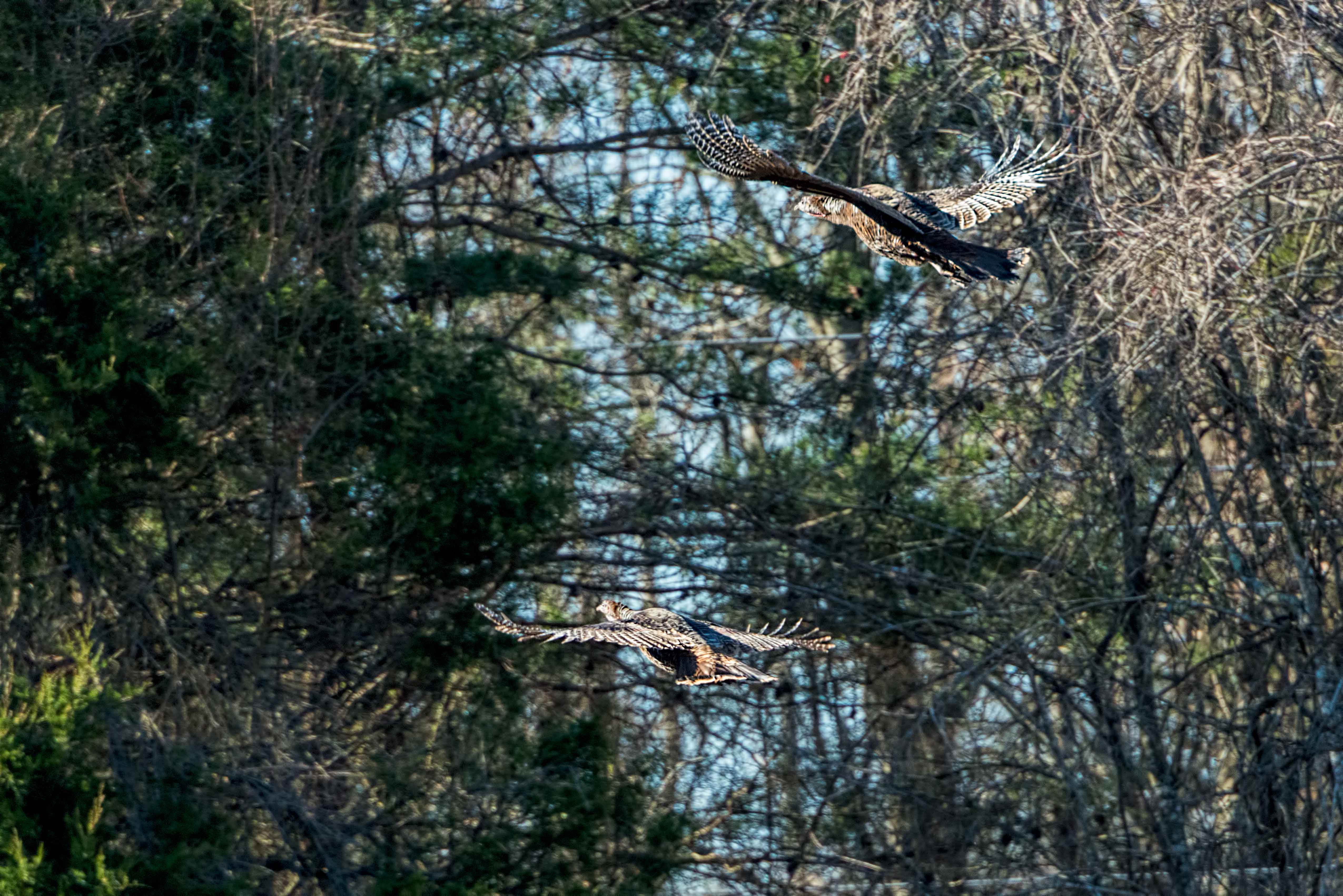
After the turkeys ran out of sight, we hiked in the direction where they were heading. As we approached an open field, I spotted a turkey in the tree line, and at about the same time, the turkeys spotted us. All 30 turkeys immediately began flying out of the wooded area and across the open field and over the trees on the other side. They flew out two or three at a time. It all happened within seconds. I was not prepared for their flight out of the woods, but I managed to get a couple of halfway decent images. They are not “keeper” shots, as we refer to quality images, but they help to tell the story. Regardless of the quality of the images, the experience was exciting and memorable, seeing 30 very large birds with at least 6 foot wing spans flying nearby.

Turkeys-at-Merrimac-Farm-WMA-4

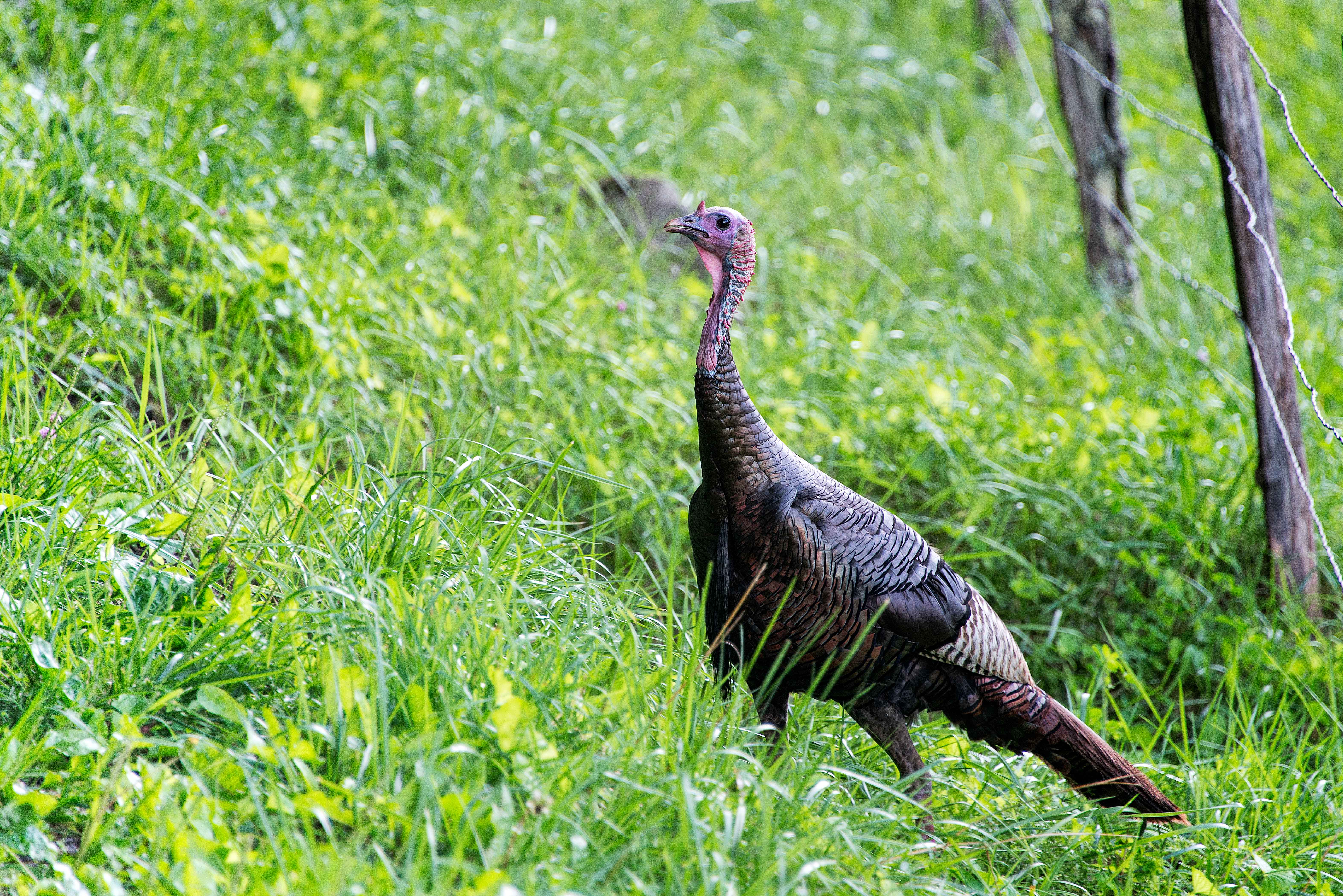
I will get back to Merrimac again soon to photograph the turkeys and hopefully return with some keepers. Below is an image of a Wild Turkey I photographed in the Smokies last summer to give you a closer view.

Hen-Turkey-at-Cades-Cove-2

Comments on my blog and this article are appreciated and can be entered by clicking on “Comments” found below the Like this: section. You can also read other’s comments there.

Posted in Bird Photographs, Huntley Meadows, Merrimac Farm Wildlife management Area, Nature, Wildlife | Tagged , , , | 8 Comments

The New River, The “Real Florida”

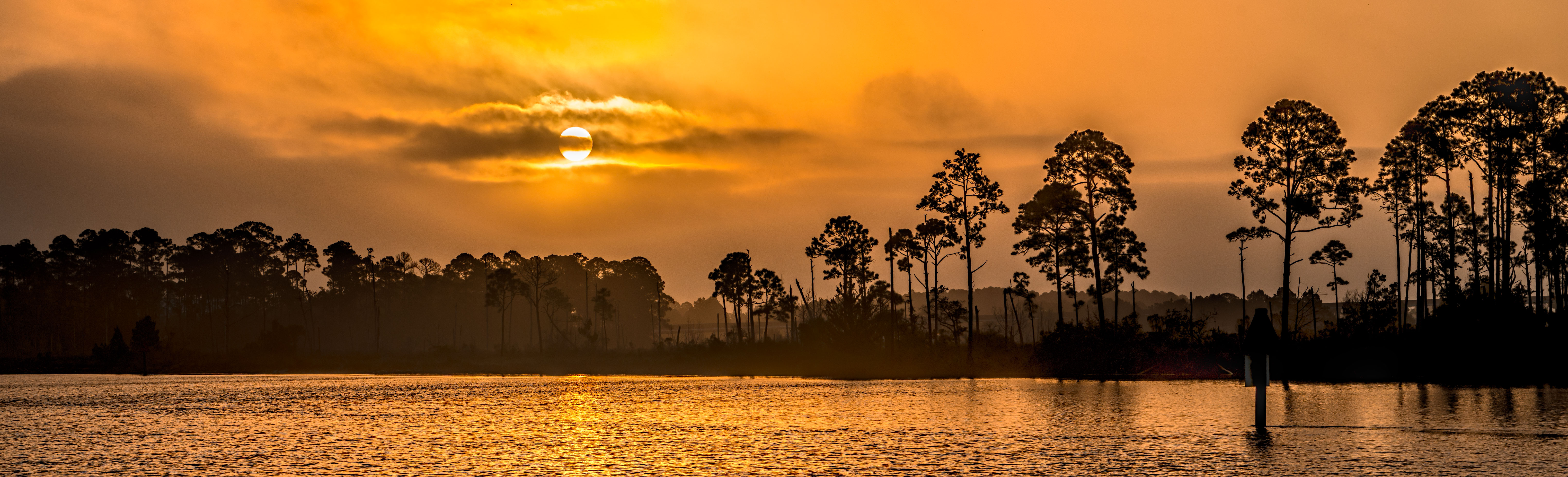
Sunrise-on-the-New-RiverWhile visiting Florida in January, I spent a weekend in Carrabelle, a small town in Franklin County with only 1,300 residents. Franklin County is very rural and only recently got its first traffic light. As described by its mayor, “Carrabelle, Florida, a historic working community, is located right on the Gulf of Mexico in the eastern Florida Panhandle. A true fishing village, its people have been harvesting from the sea for more than 100 years. Shrimping, oystering, commercial and recreational game fishing together with lumber, turpentine, flour mills, the railroad and tourism have been the mainstays of Carrabelle’s economic development over the years.”

New-River-5A

I have a friend, Jim, that lives in Carrabelle, and when I visit we go fishing and I do as much photography as possible, because I love Carrabelle’s natural and unspoiled rivers, coastline, and woodlands. I also enjoy Carrabelle because it is unlike most of Florida’s coast, having no large condominiums, hotels, tourist attractions, and tourists.

new-River-10A

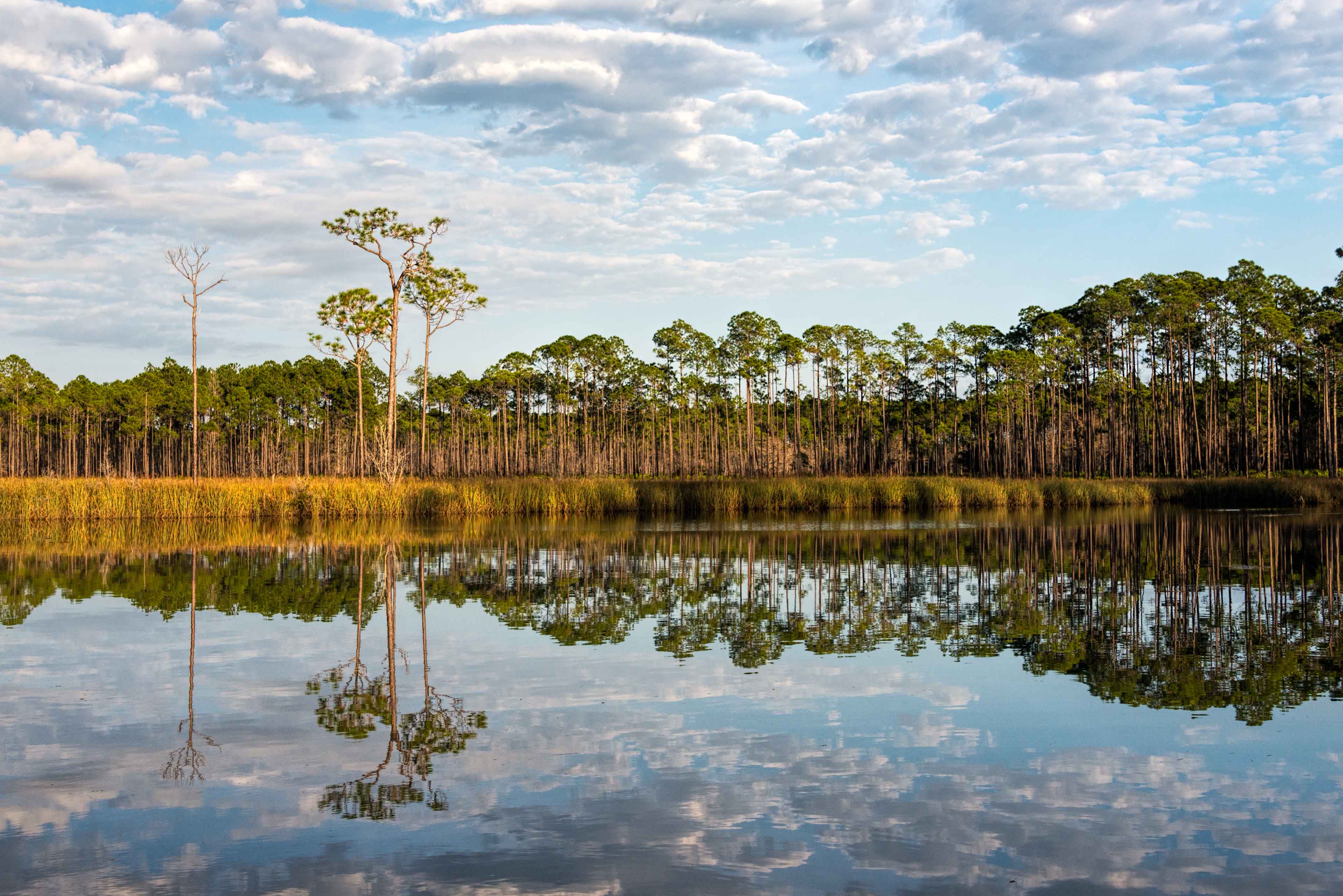
In January when I was there, Jim, who lives on the Carrabelle River, lowered his boat into the water late in the afternoon, and we went up the river to the New River. The sun was low in the sky, illuminating the pine trees of Tate’s Hell State Forest in a warm glow. There was only a slight breeze at times, so the water was mirror-like, reflecting the trees, shoreline and sky. The unspoiled views were breathtaking. As I often say when in a place of such beauty, “I could live there.”

new-River-11A

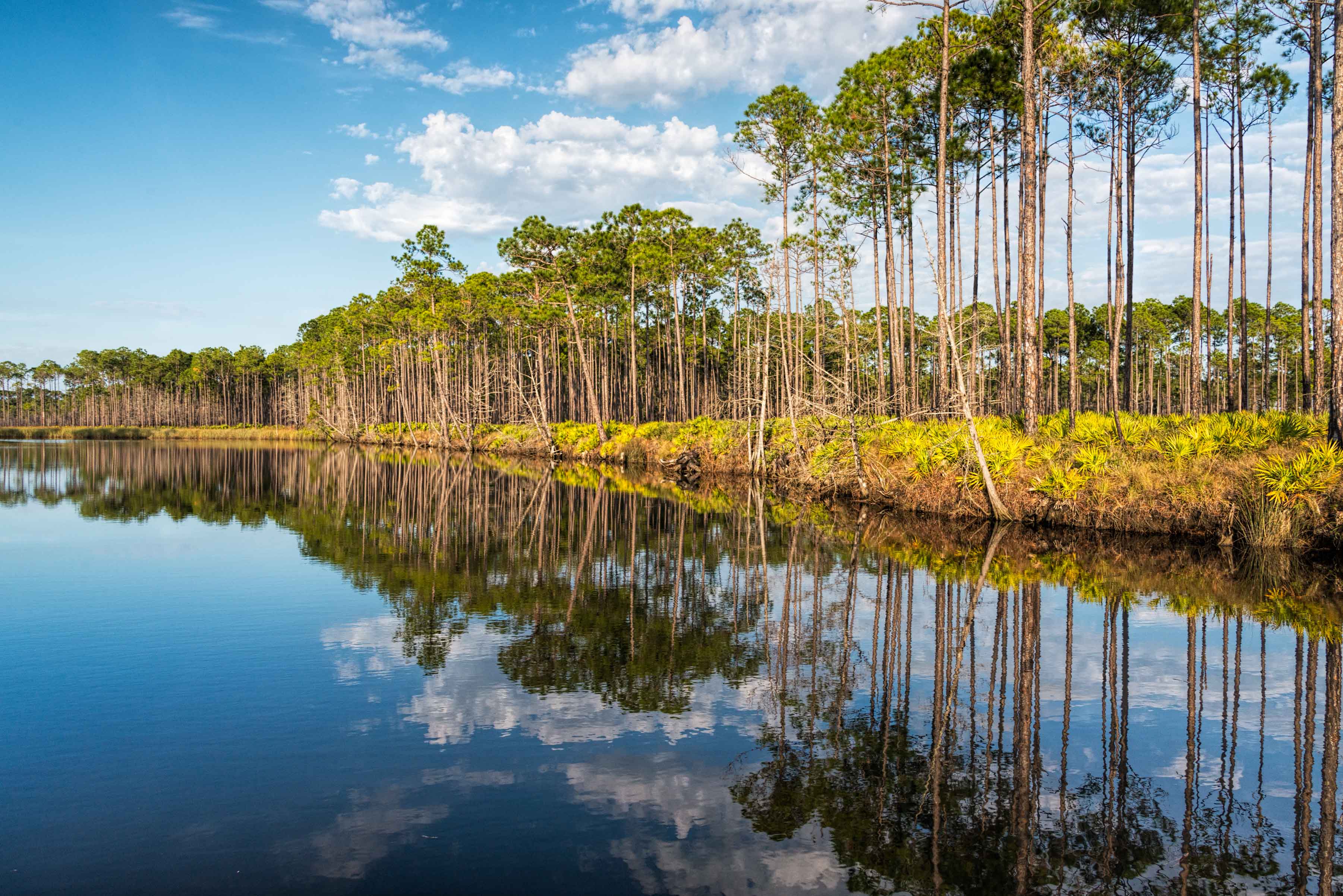
As we rode up the river for a couple of miles, with each turn of the river came another stunning view. I was constantly taking photos as Jim maneuvered his boat, trying not to disturb the water with the boat’s wake. As I was shooting, I was hoping that my camera was capturing what I was seeing and thoroughly enjoying. I was reminded of how my daughter, who works for the Florida Park Service, describes such views: “The Real Florida”.  Fortunately, there is some of the real Florida left to enjoy.

Map with Insert

Background Information  The New River originates north of the Apalachicola National Forest and joins with the Crooked River above Carrabelle to become the Carrabelle River, which flows into St. George Sound and the Gulf of Mexico, as shown in the map’s insert.

How Tate’s Hell Swamp Got Its Name Local legend has it that a farmer by the name of Cebe Tate, armed with only a shotgun and accompanied by his hunting dogs, journeyed into the swamp in search of a panther that was killing his livestock. Although there are several versions of this story, the most common describes Tate as being lost in the swamp for seven days and nights, bitten by a snake, and drinking from the murky waters to curb his thirst. Finally he came to a clearing near Carrabelle, living only long enough to murmur the words, “My name is Cebe Tate, and I just came from Hell!” Cebe Tate’s adventure took place in 1875 and ever since, the area has been known as Tate’s Hell, the legendary and forbidden swamp. (From Florida Department of Agriculture and Consumer Services website)

new-River-9A

As you can see from the images, I believe I successfully captured some of the beauty of the New River and Tate’s Hell.

New-River-4A

New-River-6

The next morning I got up early to shoot the sunrise from Jim’s dock. I used one of those images to open this article. I have thoroughly enjoyed my visits to Carrabelle spending time with my friend Jim and photographing some of Carrabelle’s beauty. I hope to return later this spring.

If you enjoyed this article and the images of the New River, you may enjoy reading the article I posted after my visit to Carrabelle in December 2011. You can read it at: https://stevetaboneblog.com/2011/12/18/carrabelle-in-the-panhandle-of-florida/

Comments on my blog and this article are appreciated and can be entered by clicking on “Comments” found below the Like this: section. You can also read other’s comments there.

Posted in Landscape Photographs, National and State Parks, Nature, sunrise | Tagged , , | 4 Comments

Barred Owls

Male-and-Female-Barred-Owls

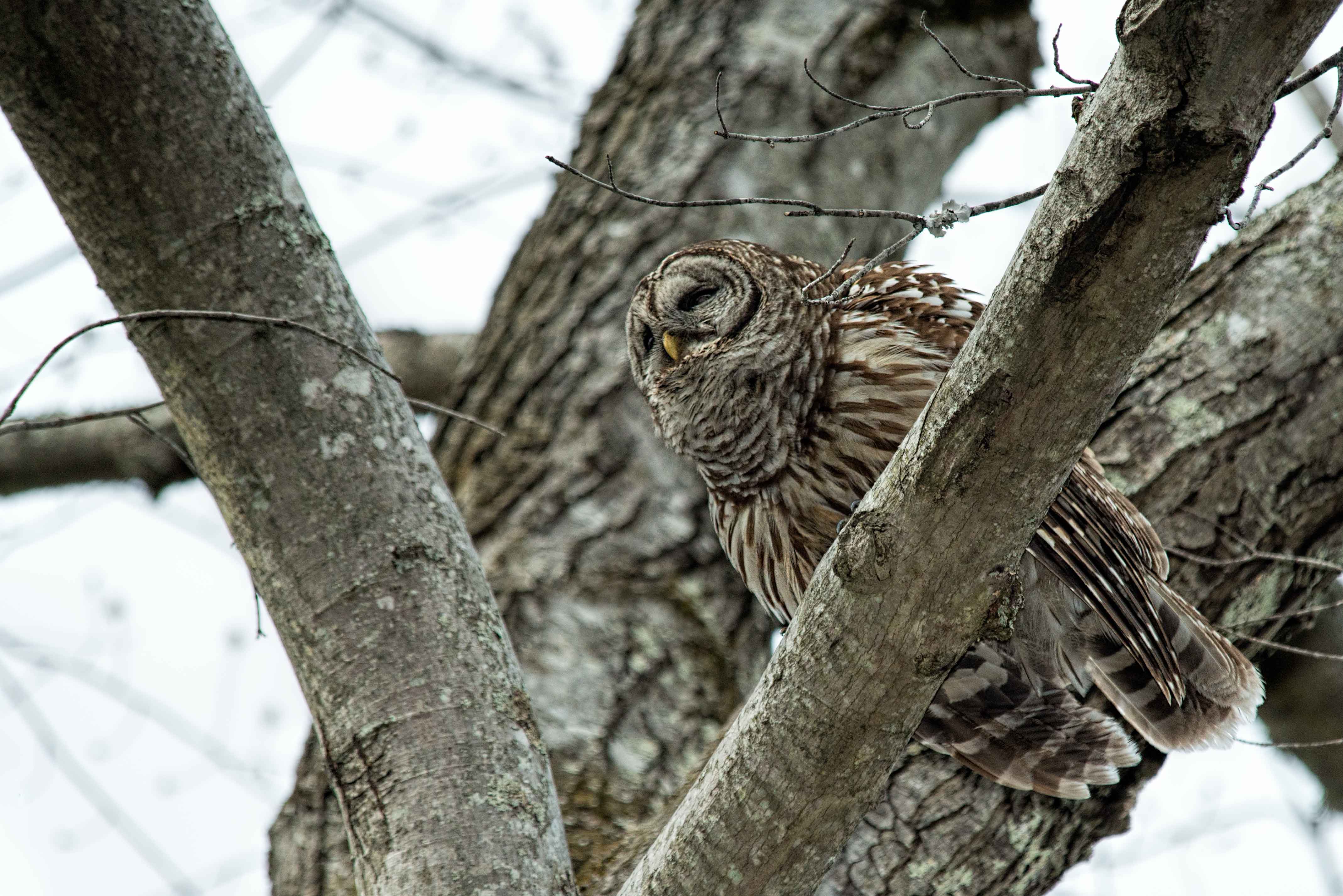
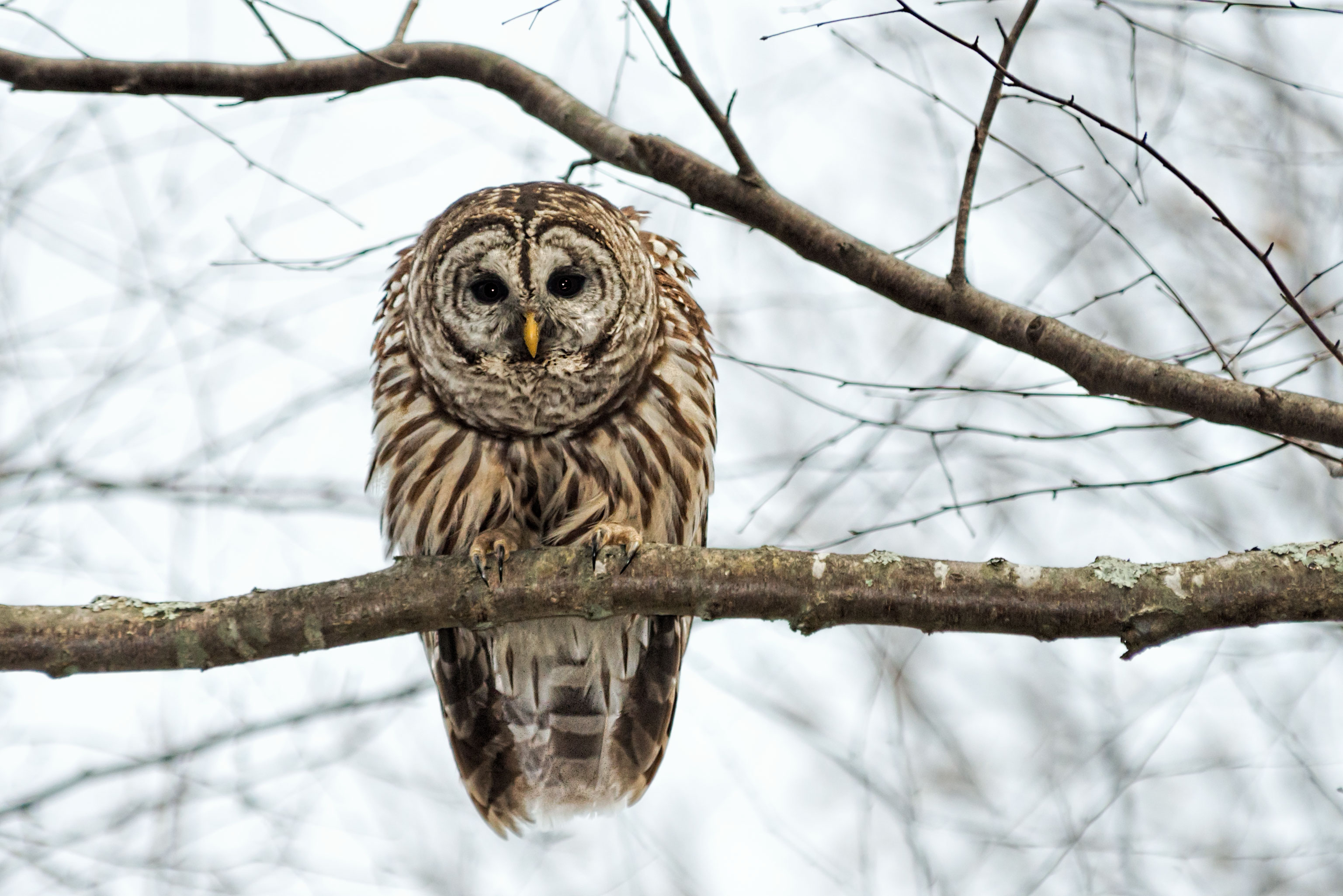
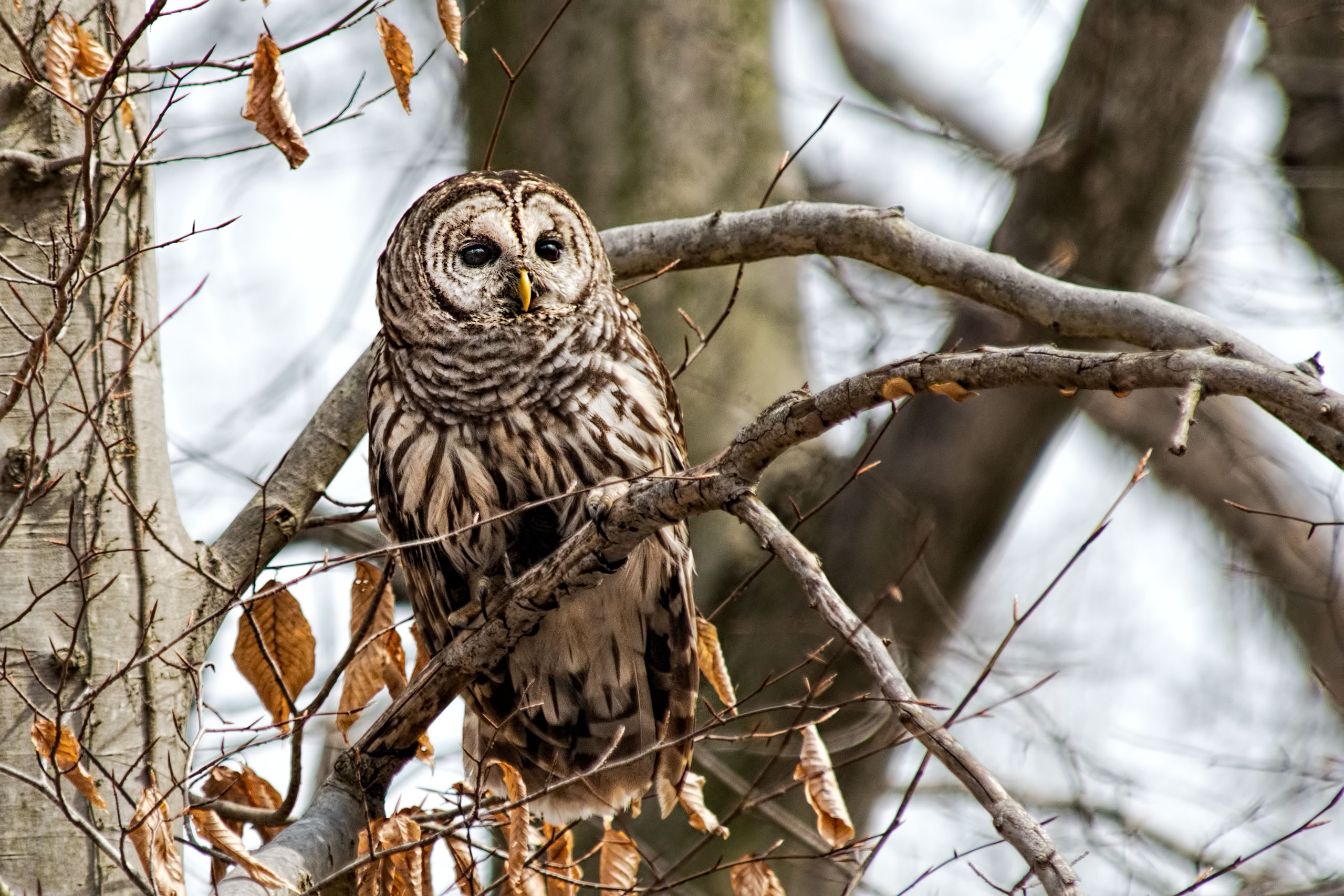
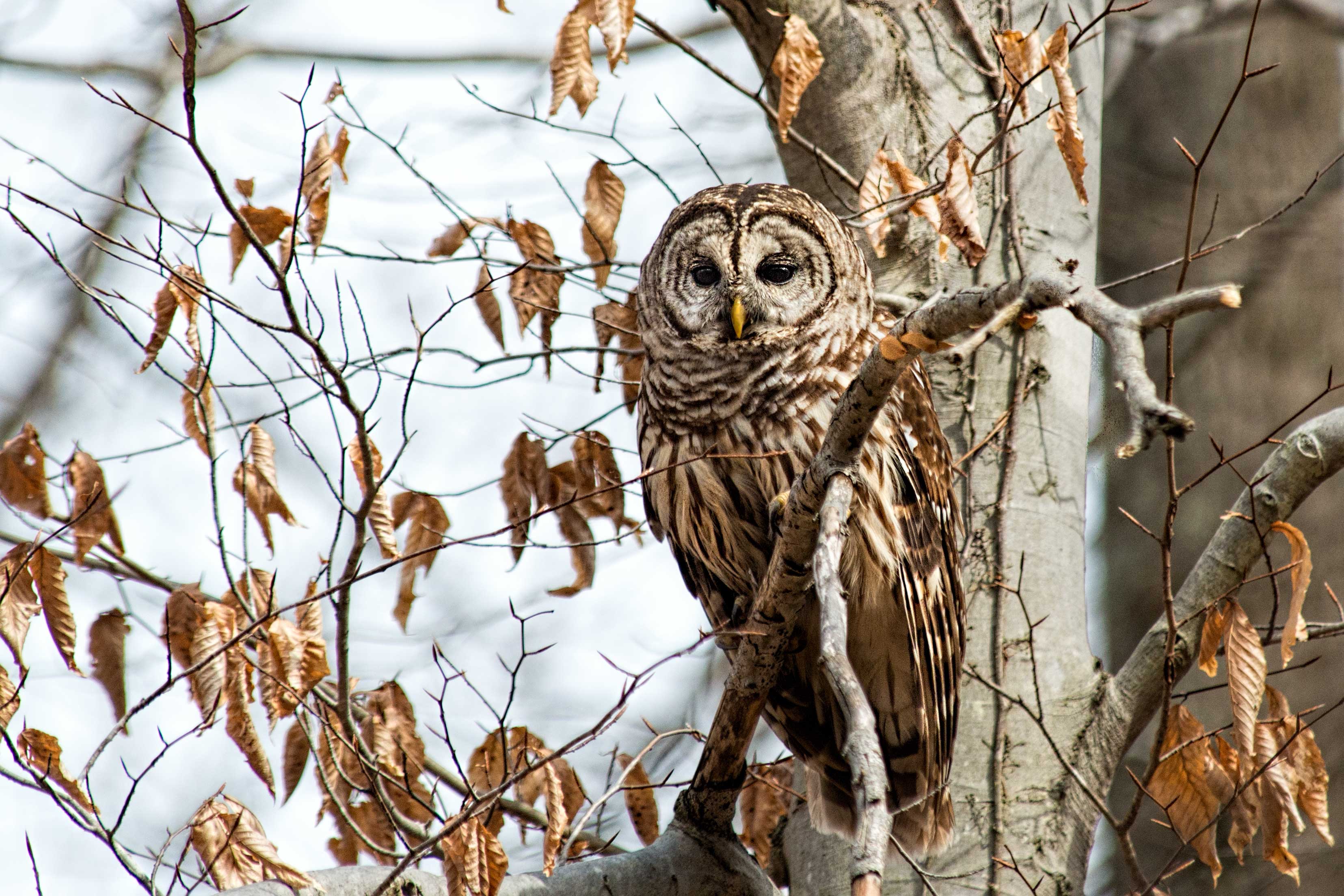
Last weekend, I took my kayak out of winter storage and went in search of the Barred Owls  that live across the lake in a wooded area surrounding a creek that flows into the lake. I was able to photograph them several times last year, but I had not seen or heard them for several months. Barred Owls do not migrate, but may wander from their nesting territories when prey is scarce, for example when snow is deep. As you can see from the images in this article, I found the pair of Barred Owls.

Leading-Lines---Barred-Owl-2

I arrived by kayak up the creek and it did not take long to spot the owls because the trees were leafless. After the trees leaf out, the owls are more difficult to locate and to photograph.

Barred-Owl-on-Lake-Montclair

I spent a couple of hours photographing the Barred Owls, and during that time, they occasionally moved from tree to tree. As I was photographing the owls, they were watching me closely, as you can see in the above image.

Barred-Owl-in-Tree

Barred-Owl-in-Fall-Tree

In Virginia, Barred Owls lay eggs in late March to early April. They lay 2 to 4 eggs per clutch. Eggs are brooded by the female with hatching taking place approximately 4 weeks later. Young owls fledge four to five weeks after hatching. Last year, this pair of owls successfully raised at least one owlet that I was able to photograph. You can see an image of that owlet at: http://stabone.com/p1059129935#h6ba9384c Hopefully, I will be able to photograph their owlets again this year.

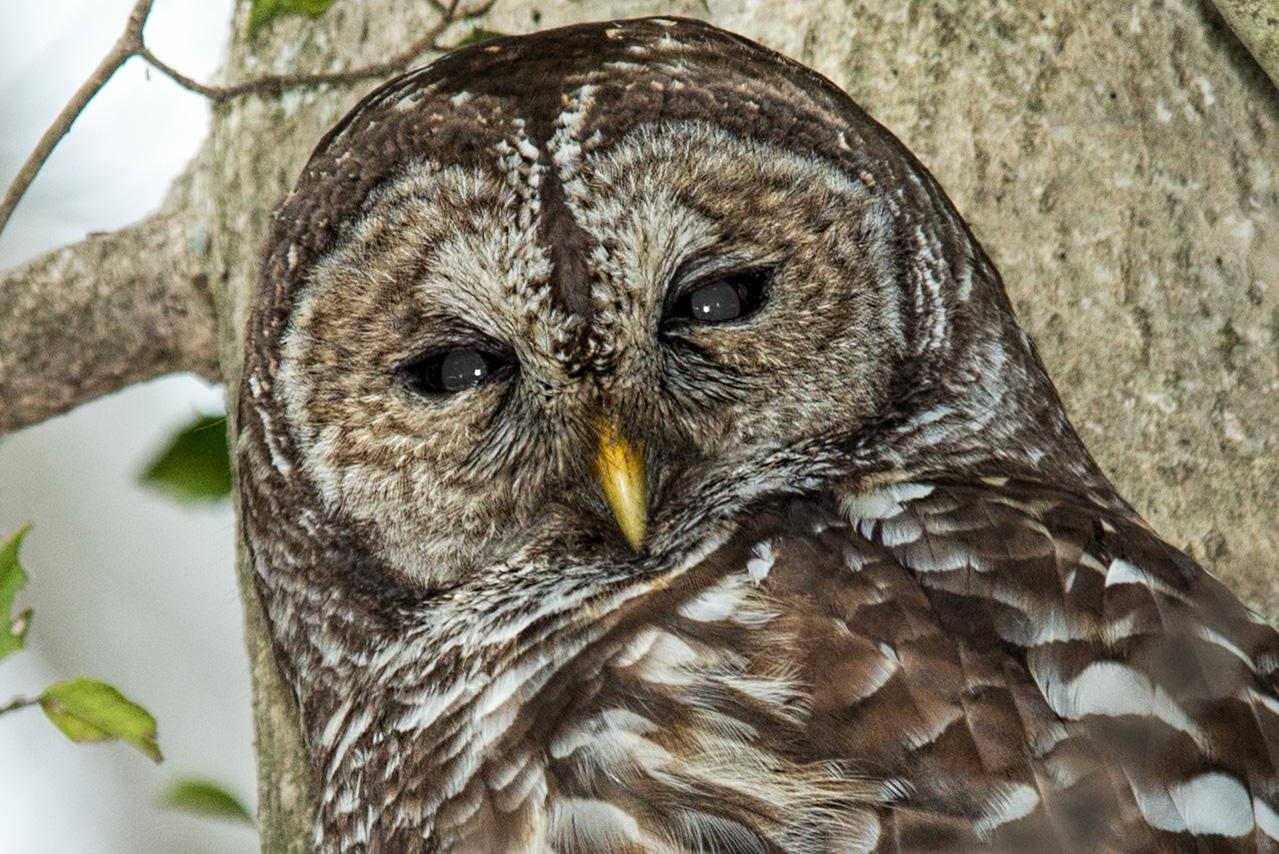
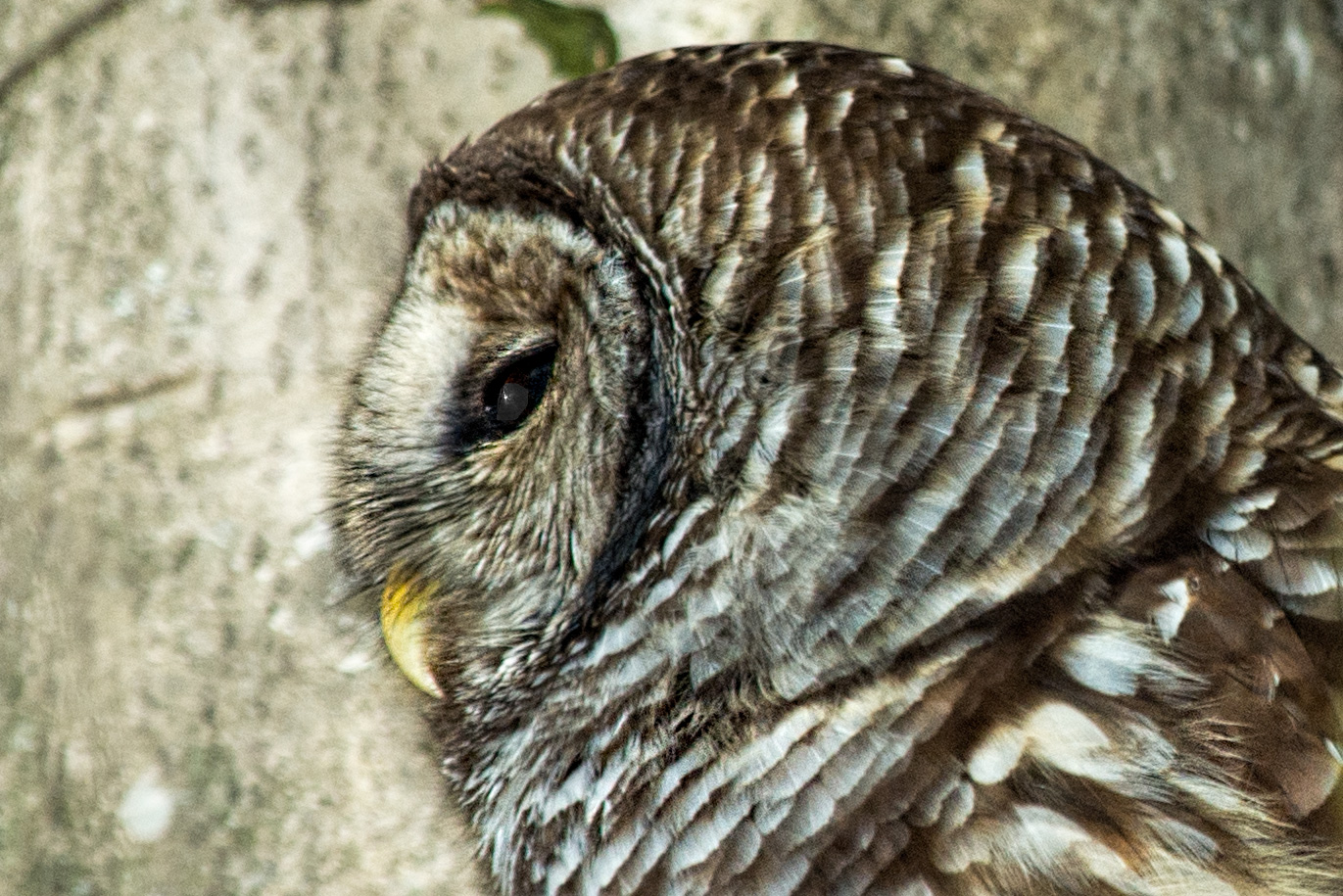
Since the owls did not seem to be disturbed by my presence, I was able to get fairly close at times, while staying in the kayak, and was able to get several closeup images.

Barred-Owl-on-Lake-Montclair-2

Barred-Owl-Profile

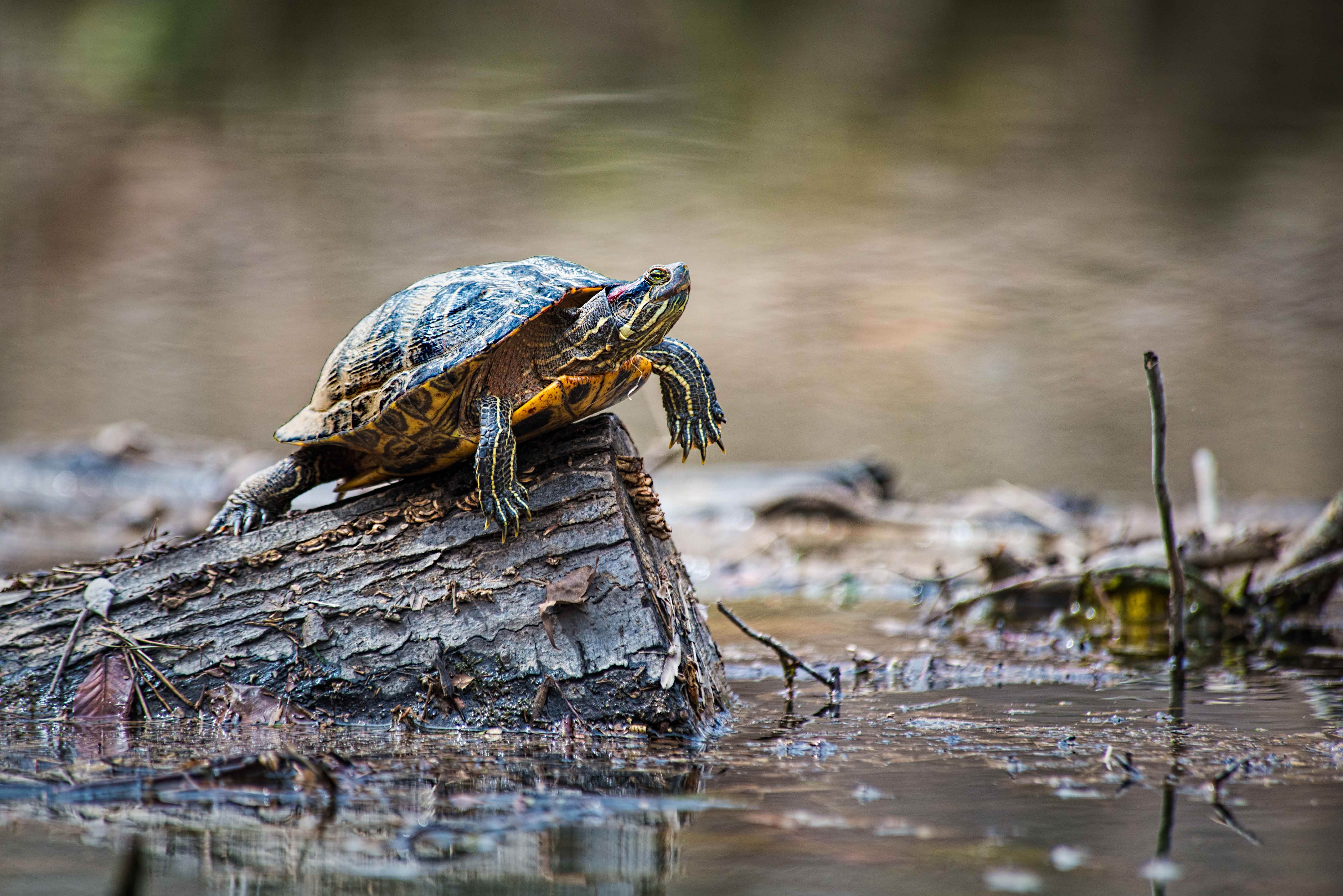
As I paddled back out of the creek, I noticed several turtles (River Cooters) enjoying the warm spring day. Below is one of them. Spring–ha!  If you live locally or have been watching the weather for Virginia, you know that we had more snow yesterday (2 -3 inches). This has been a very cold winter, and I am ready for spring to really begin.

River-Cooter

The images in this article were photographed with a Nikon D800 and a Nikon 80-400mm lens, and for some of the images, I used a Nikon SB-910 Speedlight (flash) with a Better Beamer.

Comments on my blog and this article are appreciated and can be entered by clicking on “Comments” found below the Like this: section. You can also read other’s comments there.

Posted in Bird Photographs, Lake Montclair, Nature, Spring Photographs, Wildlife | Tagged | 10 Comments

Rio Santiago Hummingbirds

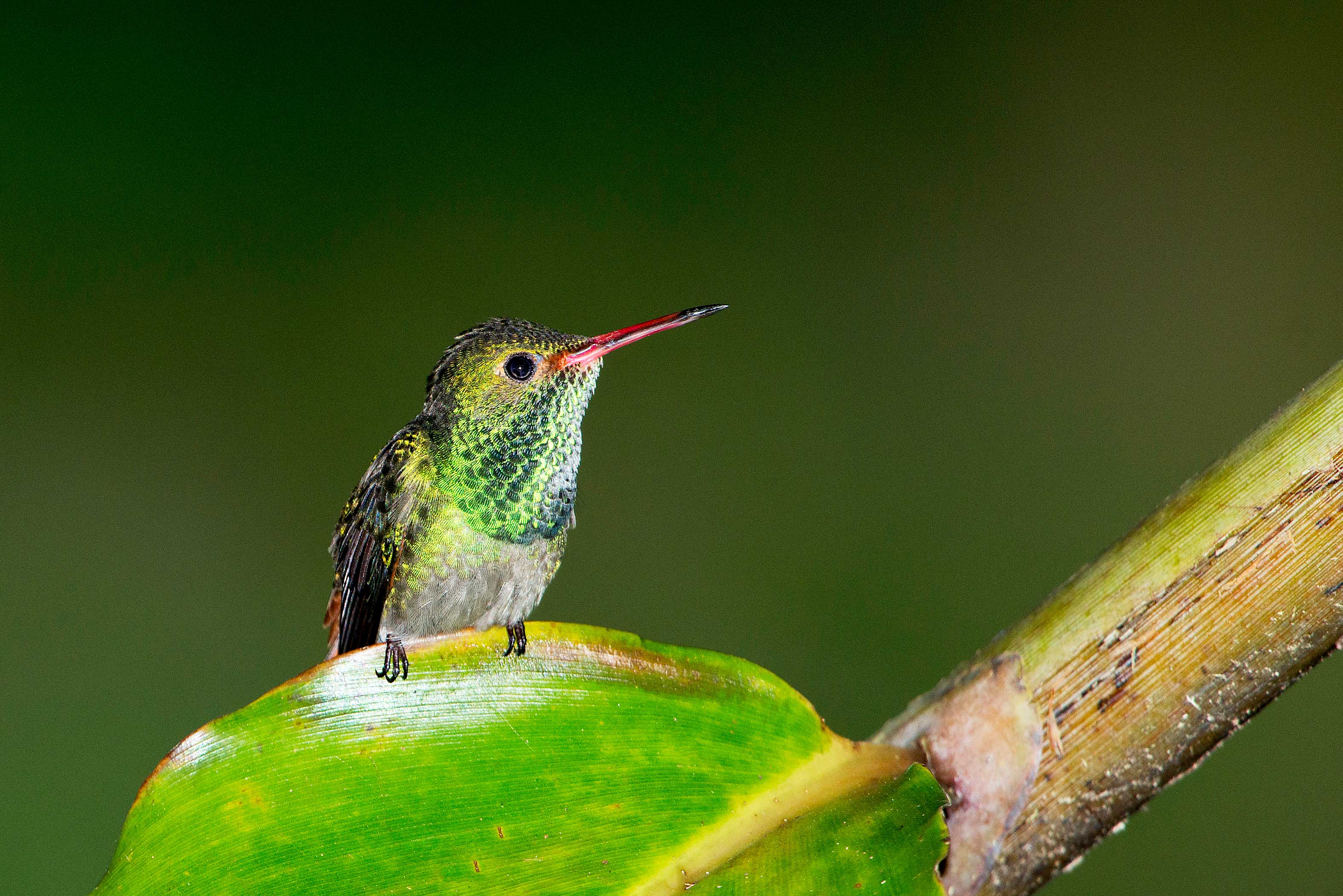
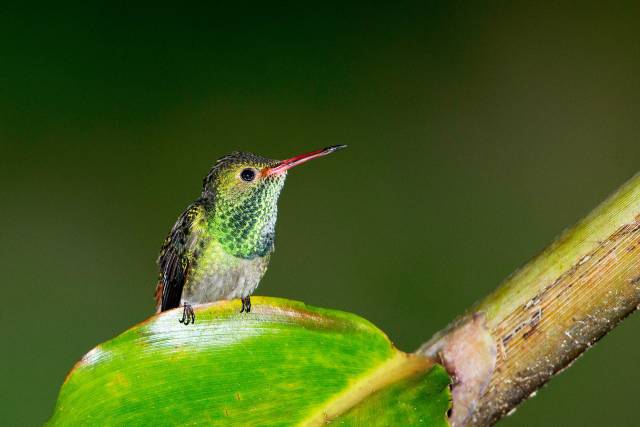
Rufous-tailed-Hummingbird

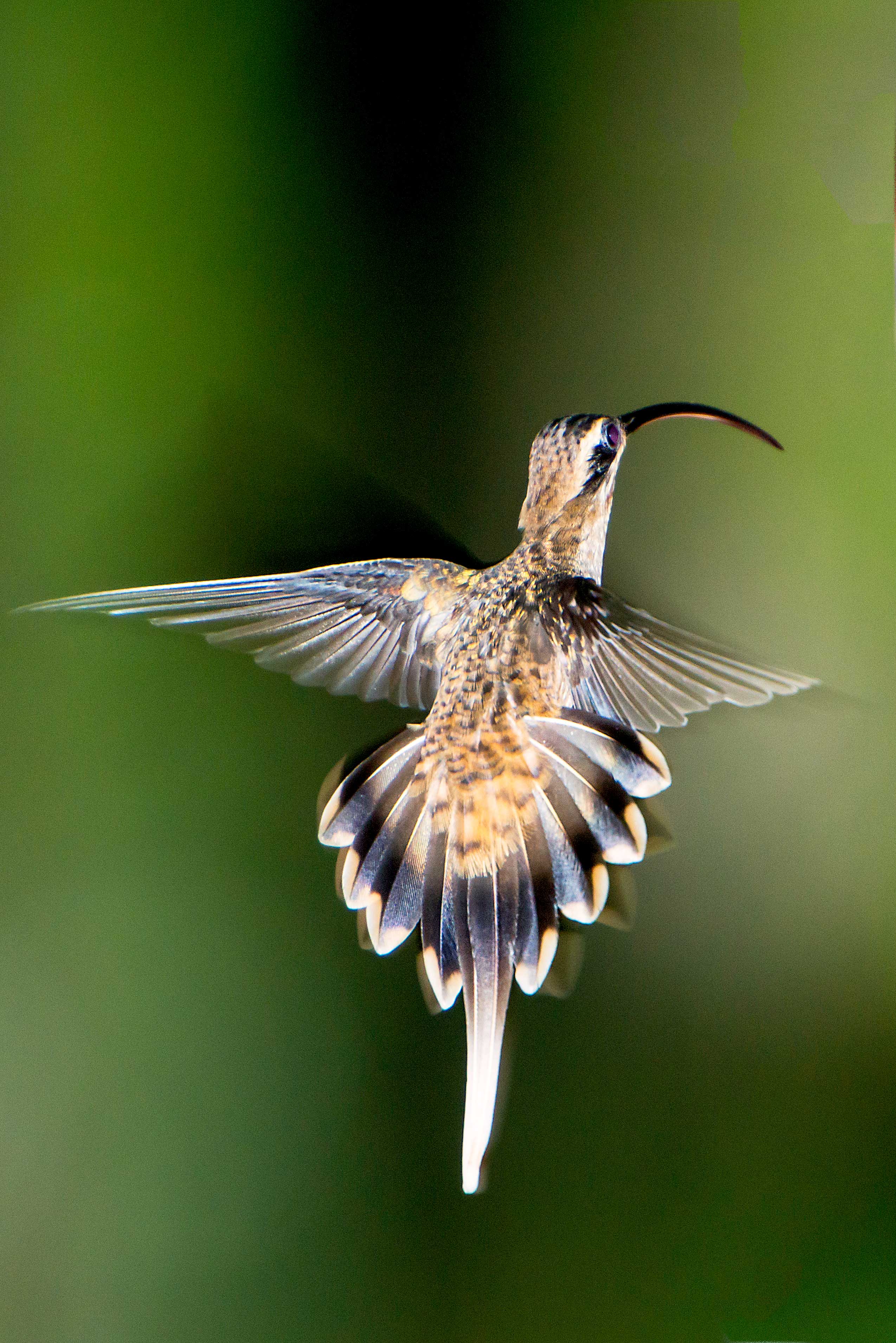
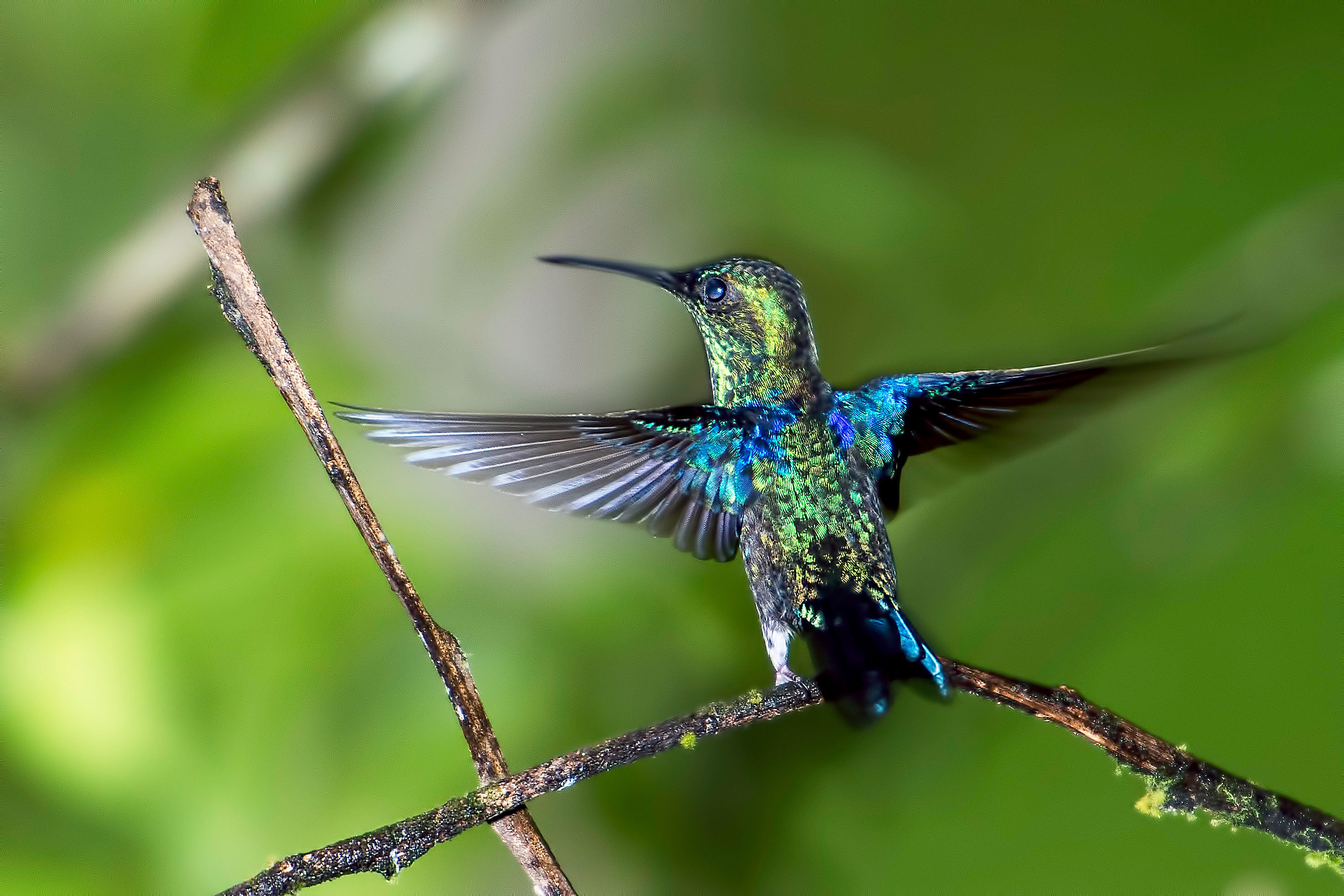
While in Honduras last February and staying at the Lodge at Pico Bonito, my guide for the day, German Martinez, who was assisting me locate wildlife in Pico Bonito National Park, told me about a “hummingbird sanctuary” about 30 minutes north of the lodge. He said, the sanctuary was home to hundreds of hummingbirds and as many as 10 different species. It was known as Rio Santiago, probably because it was located near the Santiago River.

Violet Sabrewing (male)

German definitely had me very interested. I had attempted to photograph the many hummingbirds that were around the lodge, but their fast and sporadic movement made them very difficult to photograph unless they perched on a nearby tree or bush, and I was not satisfied with what I had captured so far. Therefore, it was an easy decision to travel out of Pico Bonito, although I had no idea what to really expect based solely on German’s vague description. I wondered: would there really be many hummingbirds; at what distance would they be from me and my camera; what would the light be like to photograph them; would it be heavily wooded and shady or more open with harsh afternoon sunlight; and would I lose an afternoon of exploring and photography around Pico Bonito, if the hummingbird sanctuary did not work out. There was only one way to find out, we would go the next afternoon.
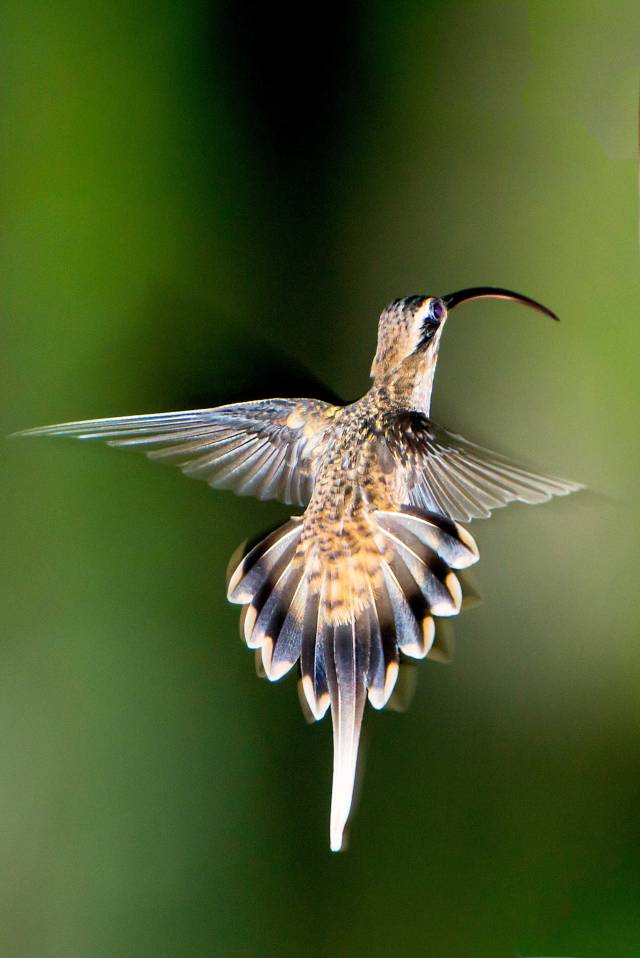
Long-billed Hermit

The lodge furnished a vehicle and driver, and German and I left for Rio Santiago after lunch. We drove north from the lodge for about 30 minutes and turned west on a narrow, rugged dirt road. I asked German how far up the dirt road we were going, and he replied about 4 kilometers. It seemed more like 10 kms, because the road was winding and very rough, and it had very recently rained so it was also muddy. As we drove up the dirt road, we passed many small, ramshackle homes, typical of how many Hondurans live in the rural areas, and it was very rural. There were chickens crossing the road, loose dogs running about, and a few Hondurans walking with machetes. I asked about them.

The mountain range, called Cordillera Nombre de Dios, which is encompassed by the Pico Bonito National Park, grew closer as we drove the dirt road. It was very overcast, but it was also very beautiful and green. It was a significant contrast to home in wintery Virginia. Where were they taking me, I wondered as the van slowly made it around and through large ruts and holes in the dirt road, and what was this place going to be like?

Violet-crowned Woodnymph (male)

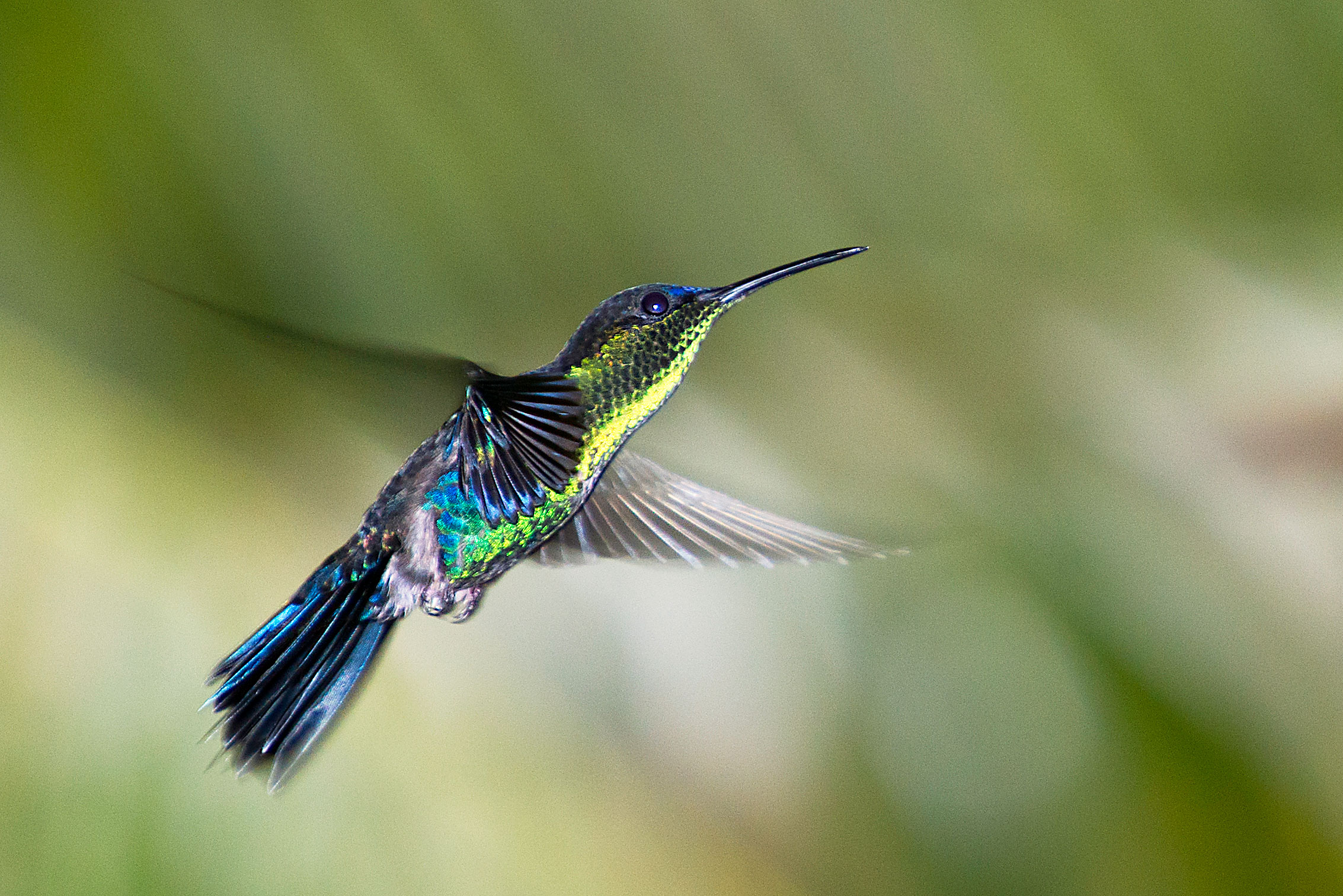
Eventually, we arrived at the Rio Santiago “hummingbird sanctuary,” which turned out to be the private property of Terry Habdas, who is a Canadian that lives on 80 acres that abut to Pico Bonito National Park. Terry had about fifty hummingbird feeders around a facility that catered to visitors that came to see the hummingbirds. German had not exaggerated; there were easily a couple hundred hummingbirds buzzing around from feeder to feeder, bush to bush, and tree to tree. They were flying all around us and within what seemed like inches at times as they buzzed by. They were like little jet fighters often buzzing each other, because they are very territorial. After arriving, I couldn’t get my camera gear set up fast enough and start photographing.

German told me that Terry goes through over 80 pounds of sugar a week feeding the hummingbirds. Terry also had staff that were refilling the feeders for the next morning. They start to feed early.

White-necked Jacobin (male)

Terry stayed with us most of the afternoon and watched as I photographed the hummingbirds, switching between two different camera bodies and different lenses. It was very overcast, which actually worked out well, minimizing what otherwise would have been harsh afternoon light. In order to photograph the extremely fast hummingbirds in the dim light, I used a Nikon SB900 speedlight (flash) and Better Beamer, a device that attaches to the speedlight and extends the reach of the light, as well as focusing the light on the subject.
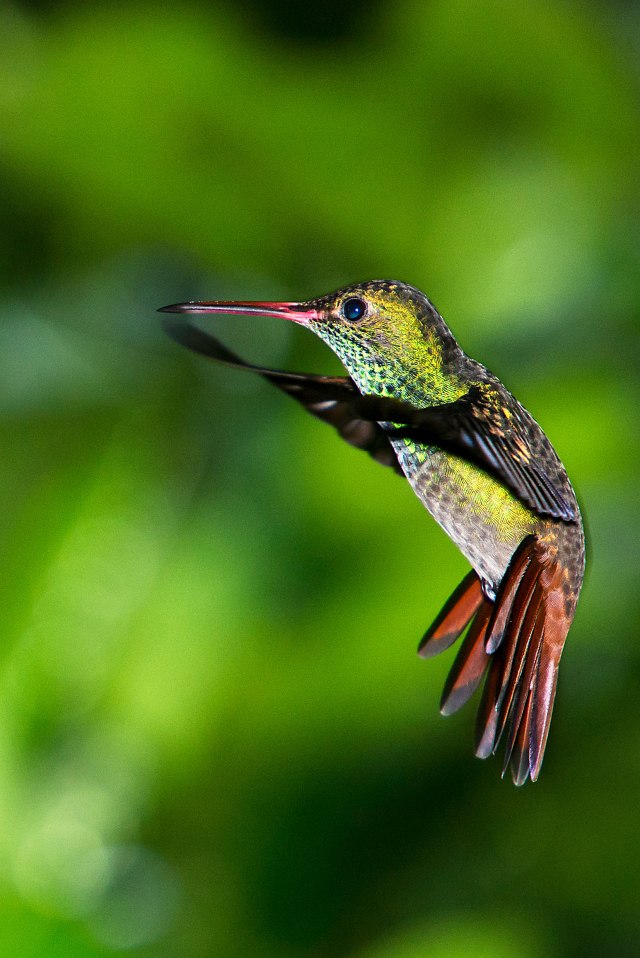
Rufus-tailed Hummingbird

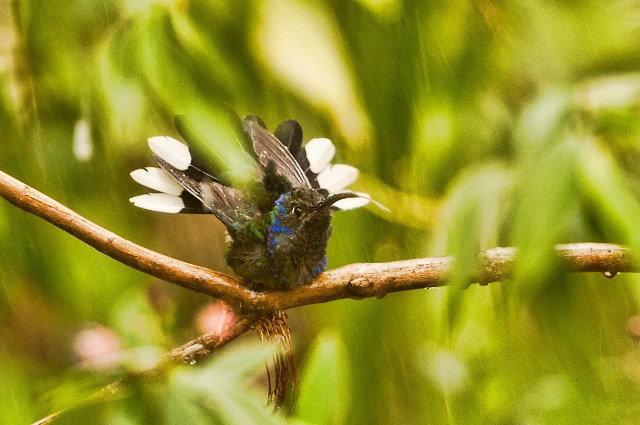
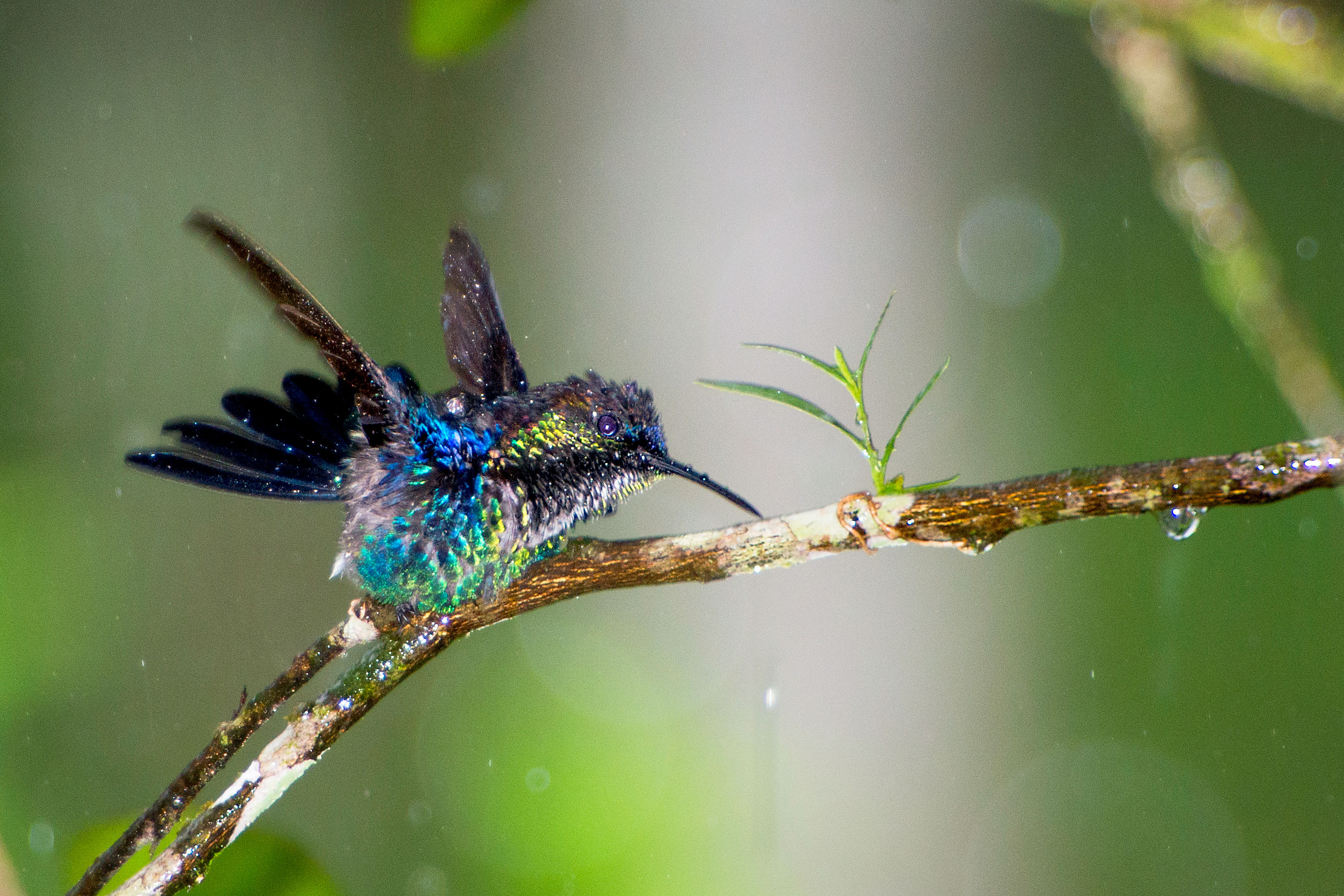
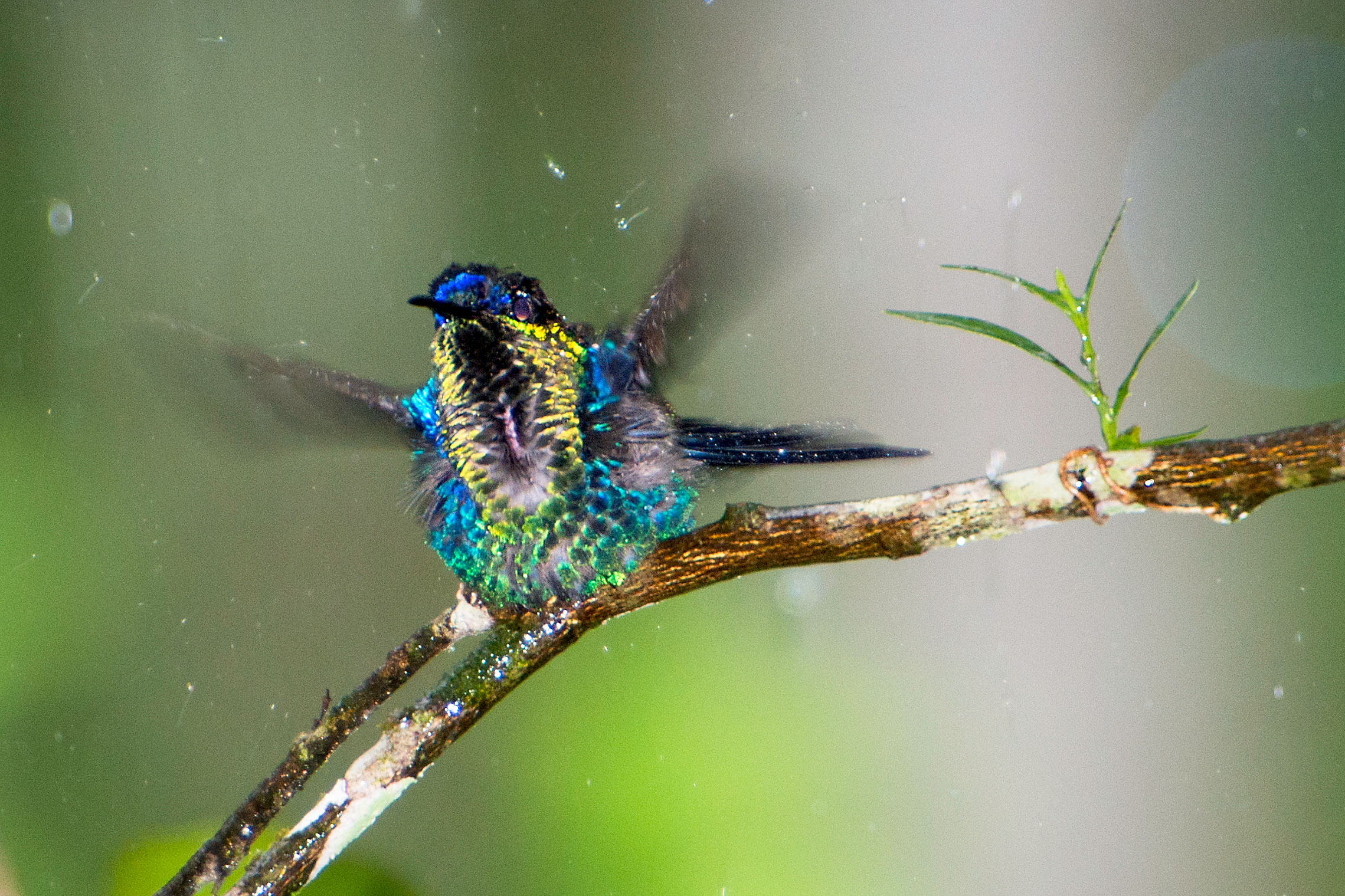
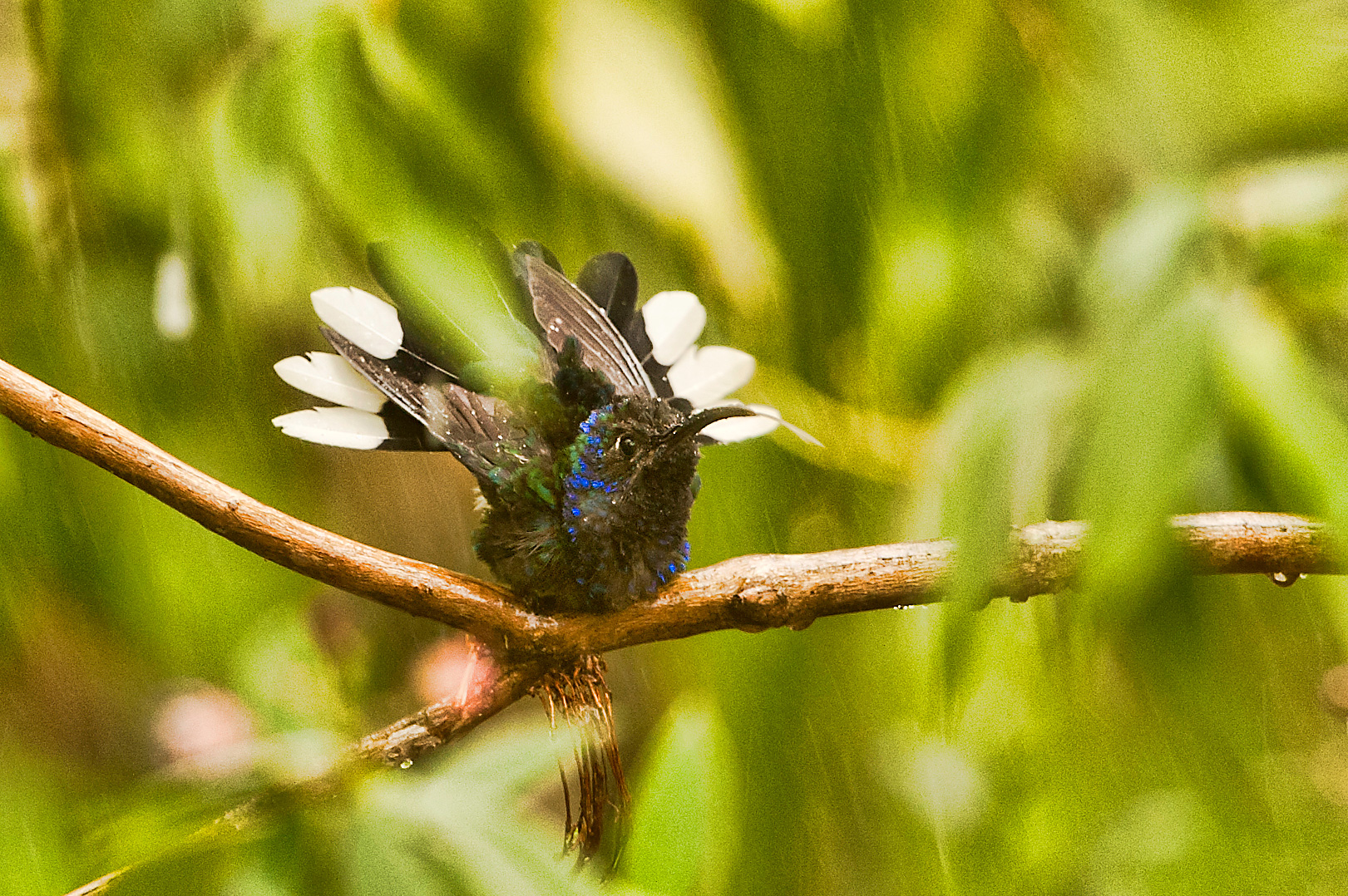
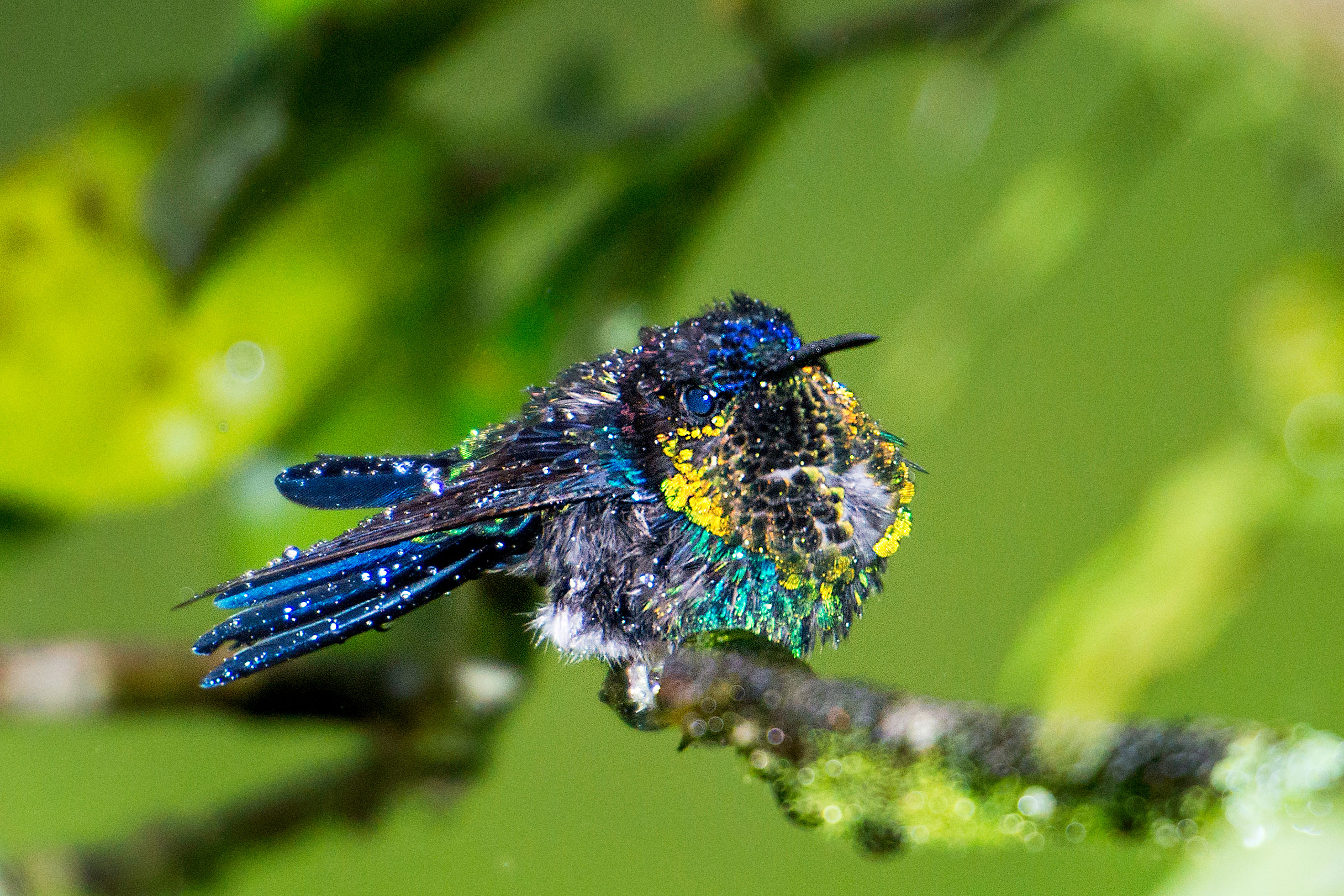
Then, the heavily clouded sky opened up, and it began to pour. It slowed the hummingbirds down a little, but they continued the fly about in the rain. Several perched in a nearby tree and took advantage of the pouring rain to take a “shower,” flapping their wings vigorously and making very interesting images (below three images).

Violet-crowned Woodnymph (male)

Violet-crowned Woodnymph (male)

Violet Sabrewing (imm. male)

We did not leave Rio Santiago until about 4:30. I thanked Terry for his warm hospitality and conversation. Terry told me never gets tired of watching the hummingbirds, and I agreed, they were fascinating to watch.
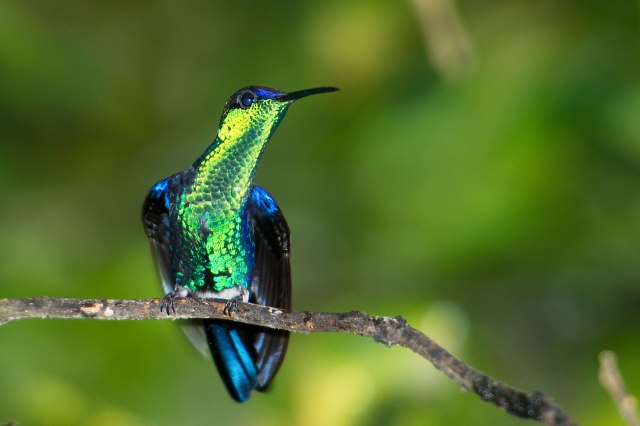
Violet Sabrewing (imm. male)

It turned out to be an incredible afternoon. I probably will never see that many hummingbirds in one location again, unless I return there. I was able to photograph six of the ten hummingbird species that inhabit Rio Santiago.

Violet-crowned Woodnymph (imm. male)

You can see many more of my hummingbird images on my website at: http://stabone.com/p90686516 Each of them is identified for those that want to know  the type of hummingbird.
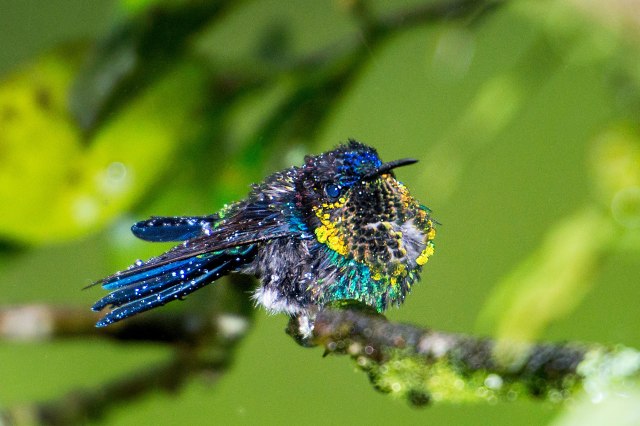
Violet-crowned Woodnymph (male)

Posted in Bird Photographs, Nature, Wildlife | Tagged , , , , | 79 Comments