Big Talbot Island State Park

When I left for Florida at the beginning of the month, I intended to travel around the state visiting and photographing wildlife, landscapes and seascapes, and to regularly post articles to my blog after photographing each park, preserve or refuge. Well, I visited many parks, preserves and refuges in the last few weeks, but have only posted one article to my blog. I have fallen way behind because of the time also spent visiting family and friends over the holidays, speaking of which, happy New Year!

I also had intended to post articles in the order of my visits to the parks, preserves and refuges, but with this article I am skipping ahead to Big Talbot Island State Park, which I visited a couple weeks ago with my daughter, JulieAnne, and her boyfriend, Ivor. JulieAnne works for the Florida Park Service and had business at Big Talbot on the day of my visit so Ivor and I went along. She knew I would find Big Talbot to be a very interesting and beautiful park, and she was correct.

Big Talbot is an undeveloped barrier island located north of Jacksonville with gorgeous unspoiled ocean beaches, salt marshes, wetlands, and very unusual and unique seascapes for the State of Florida.
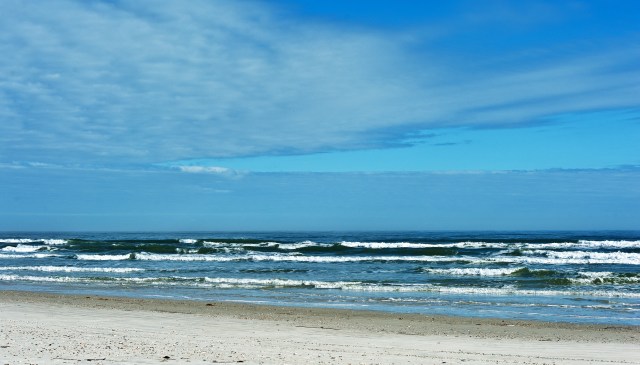
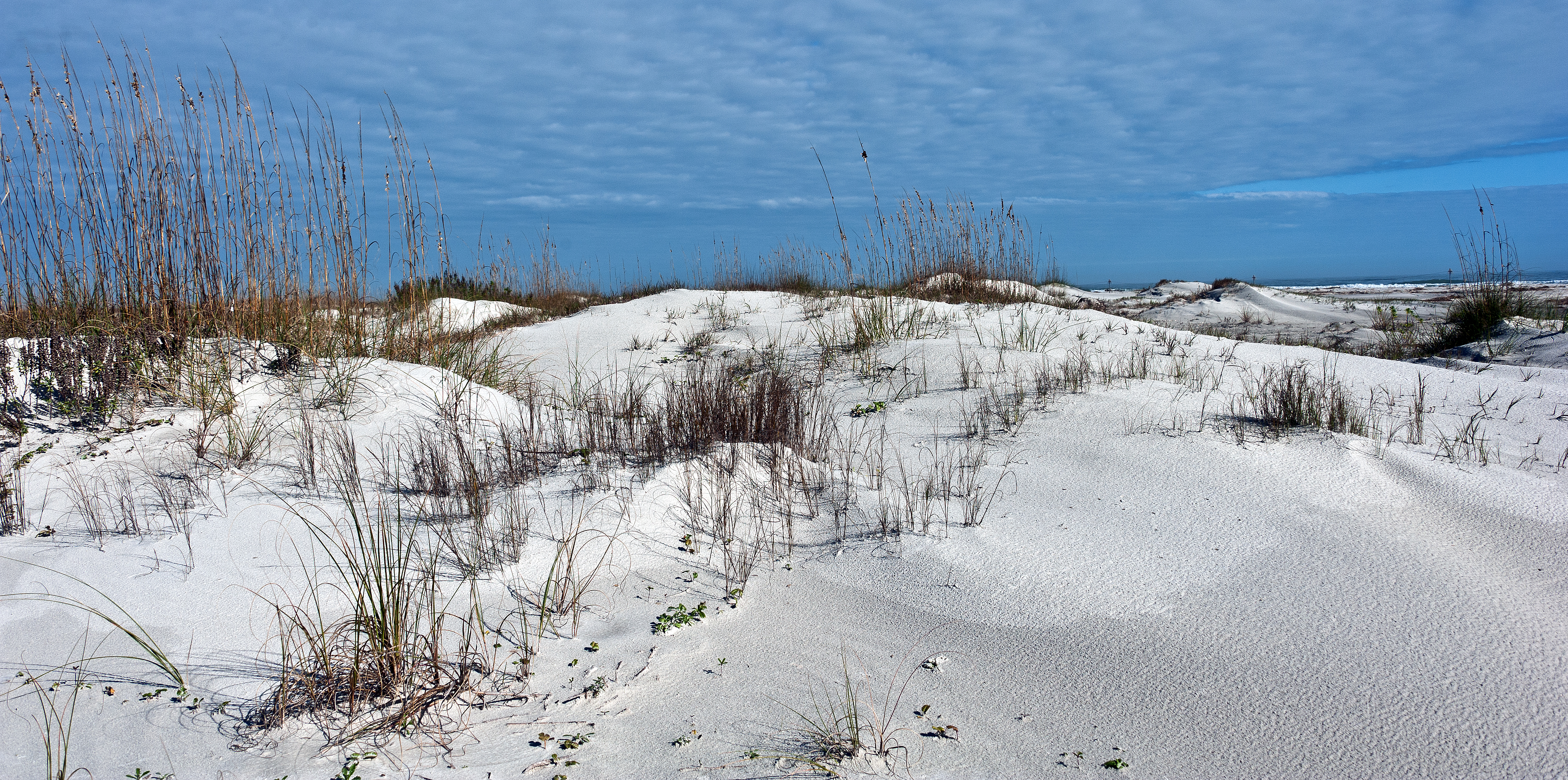
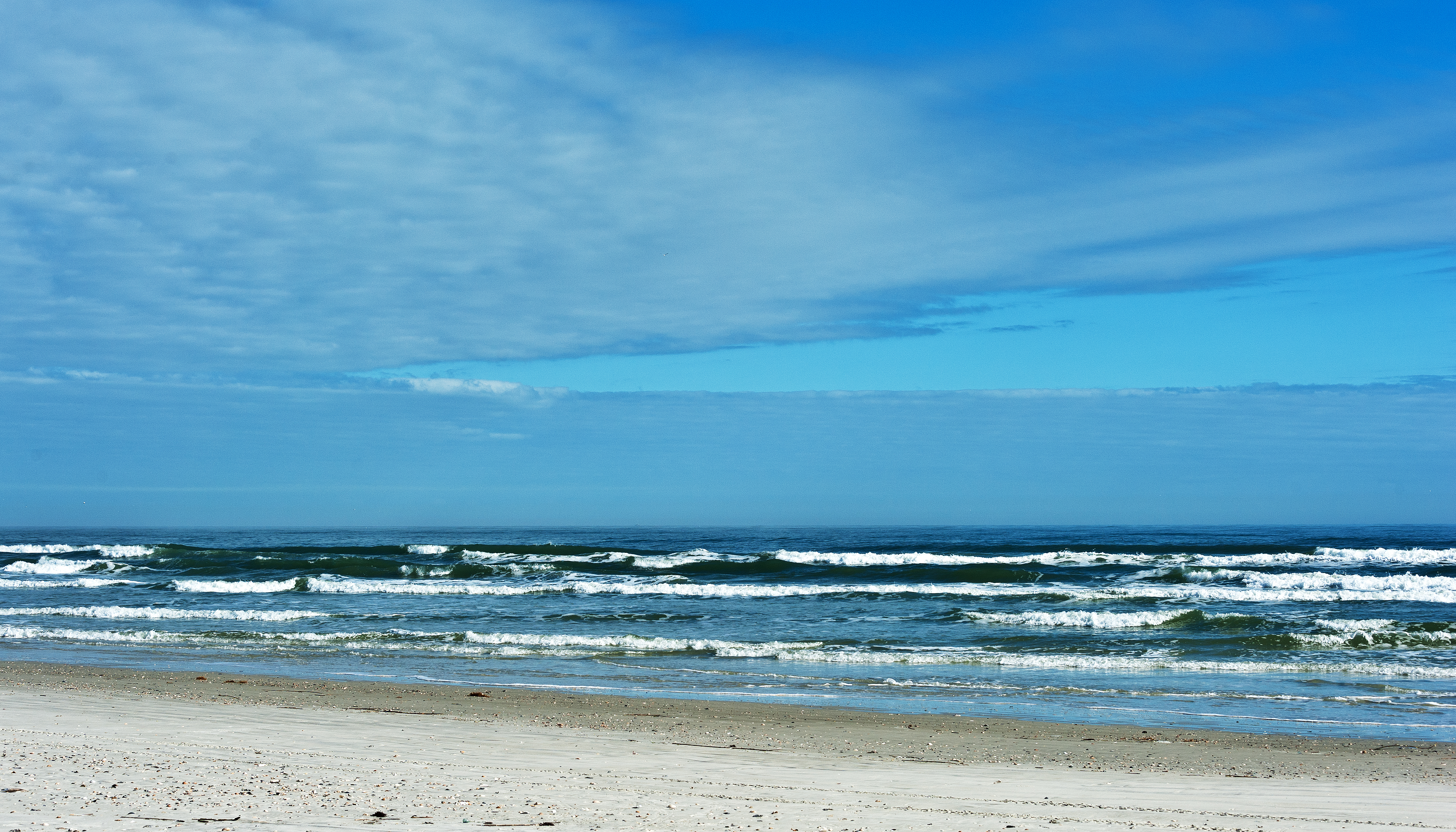
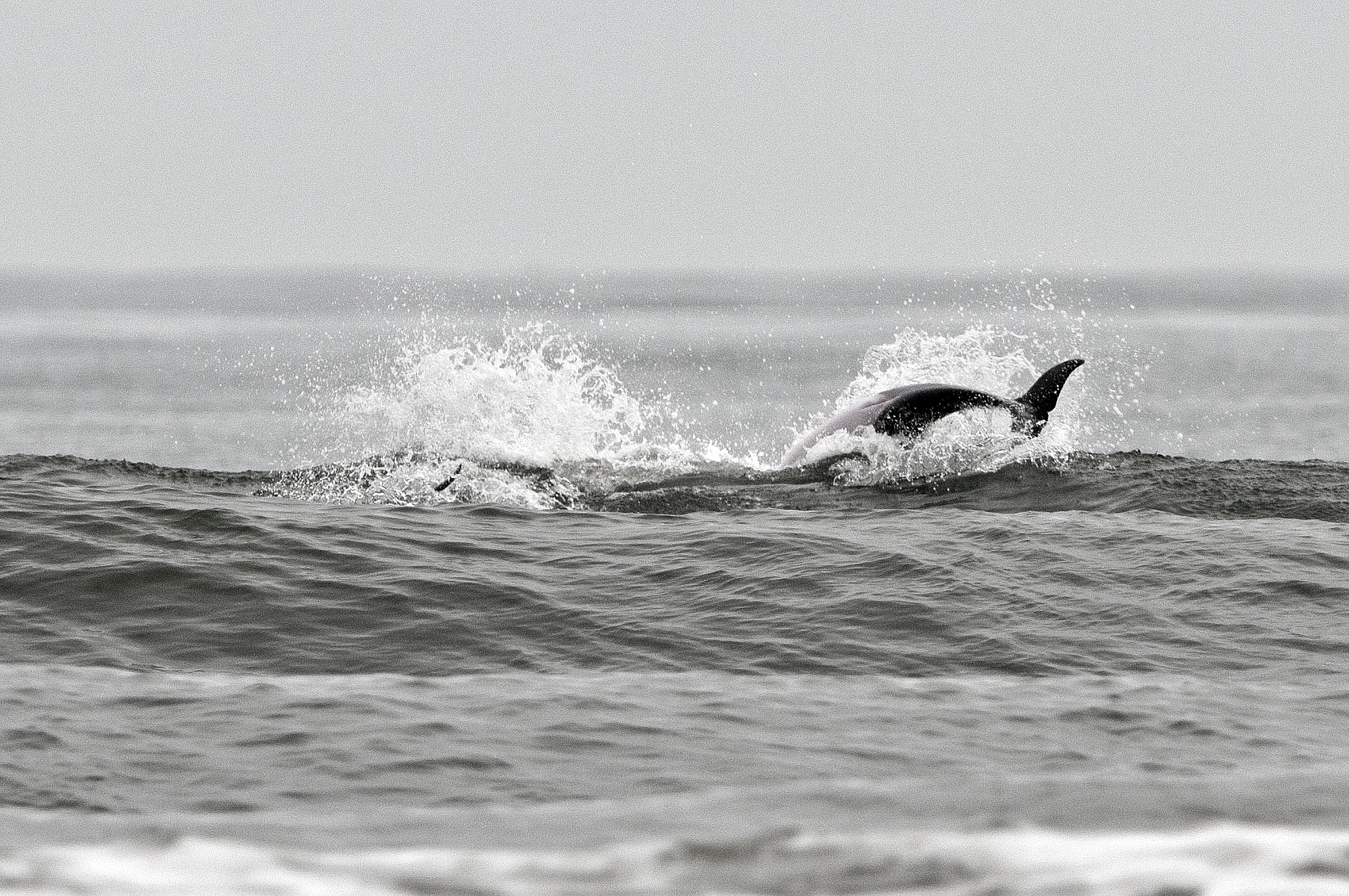
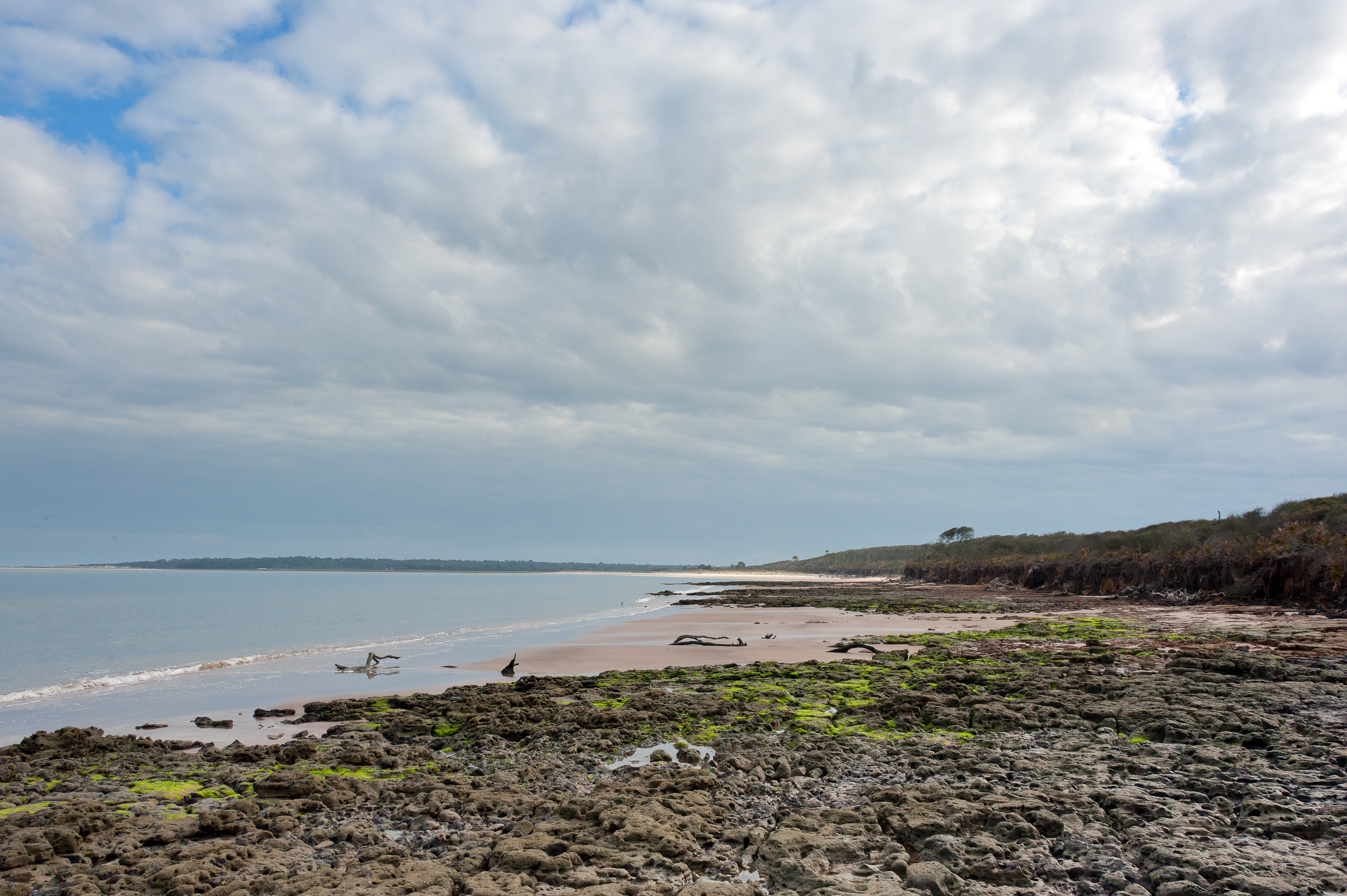
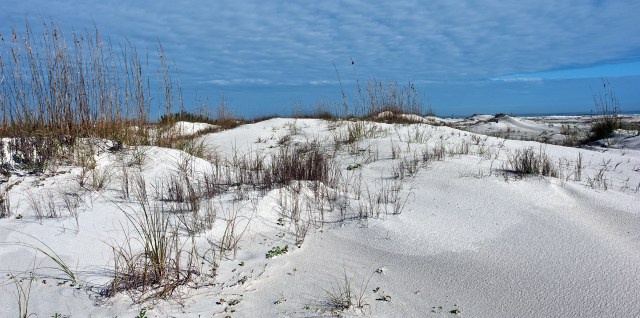
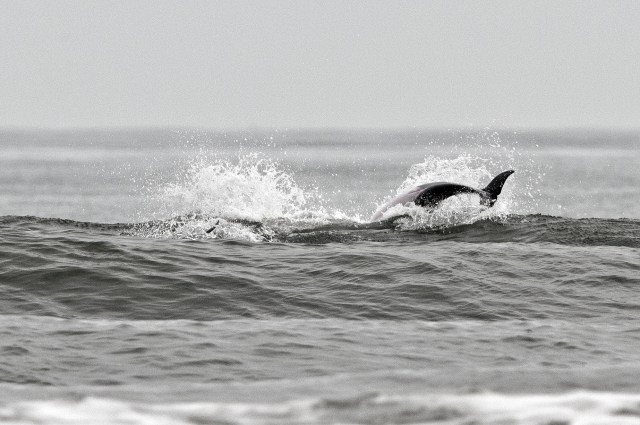
After arriving on the island, our first stop was to walk a short trail through pristine sand dunes (opening image) to one of the beaches (above). About fifty yards out from the beach, there were several dolphins that appeared to be enjoying the surf, but were most likely chasing fish.
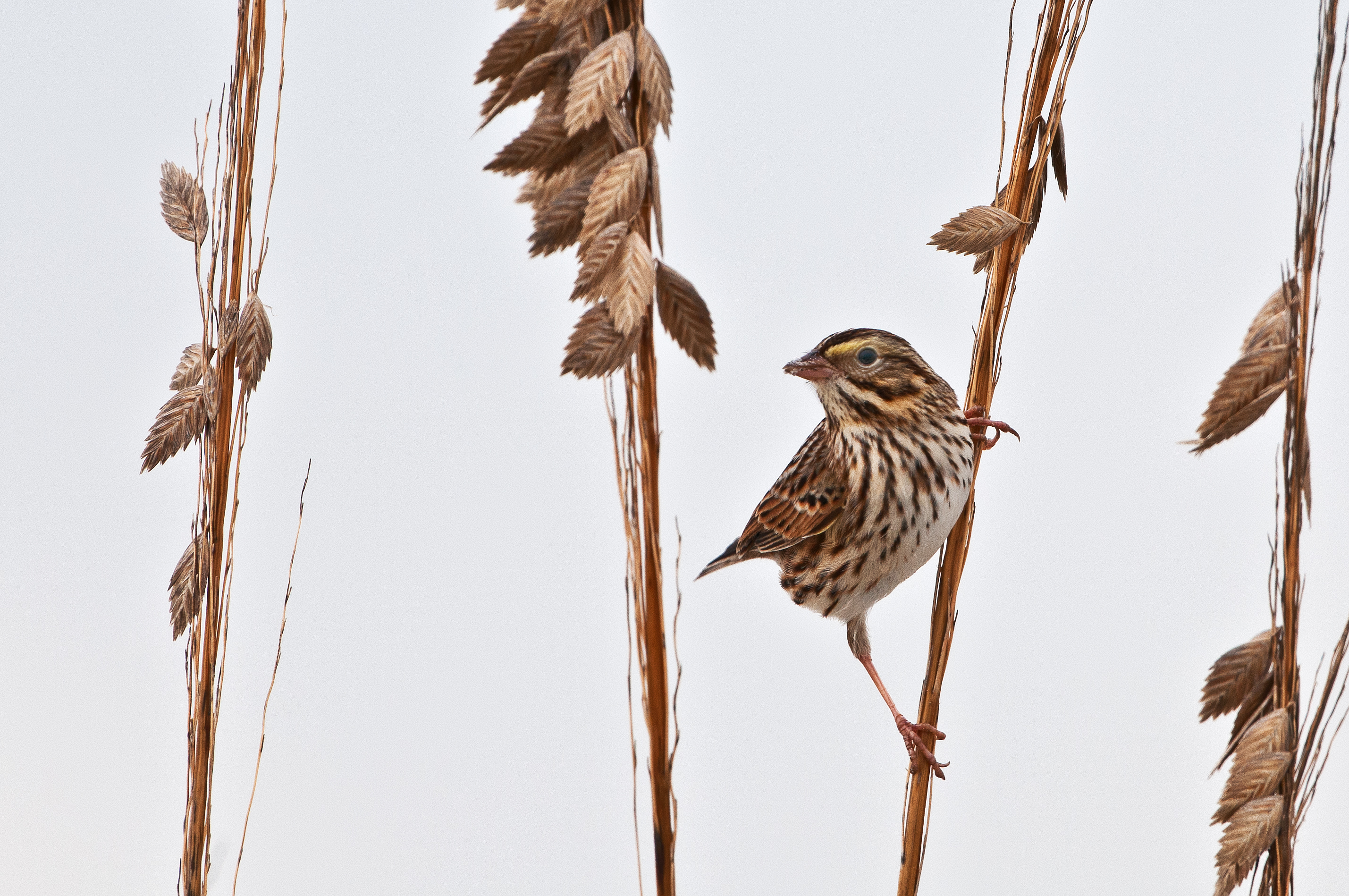
After enjoying the beautiful, natural (undeveloped–no houses, hotels, etc.) beach, we headed inland passing Savannah Sparrows feeding on sea oats in the sand dunes.
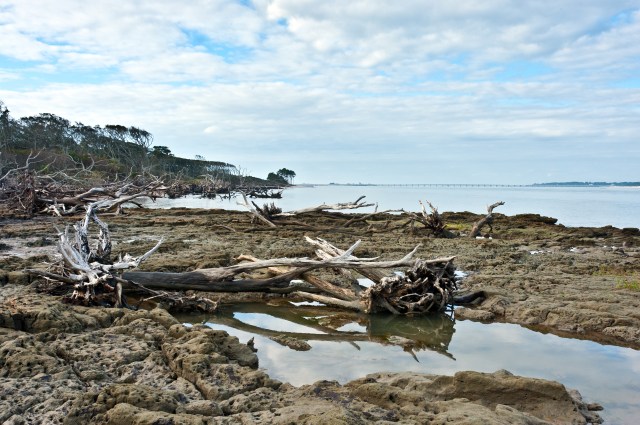
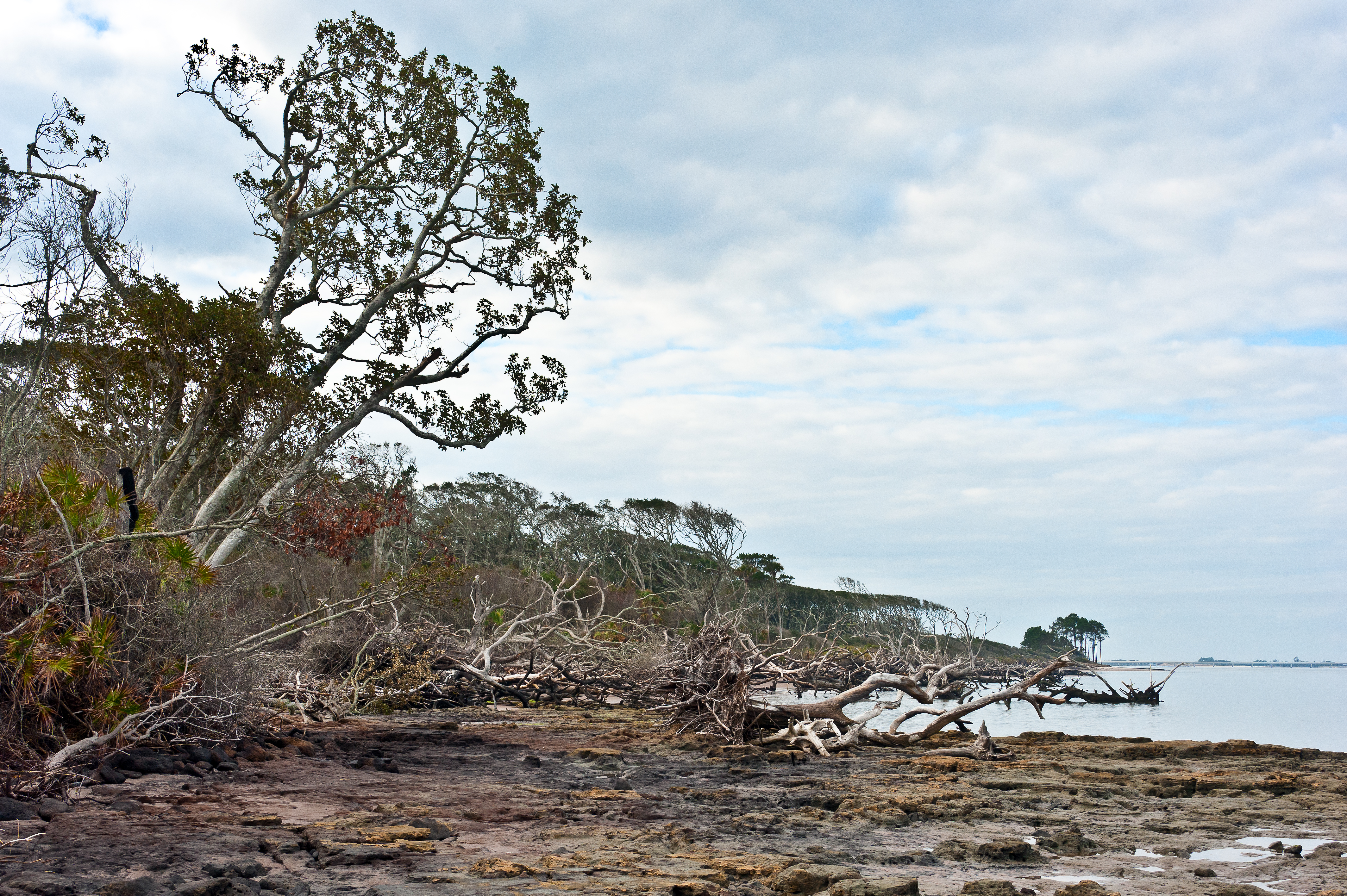
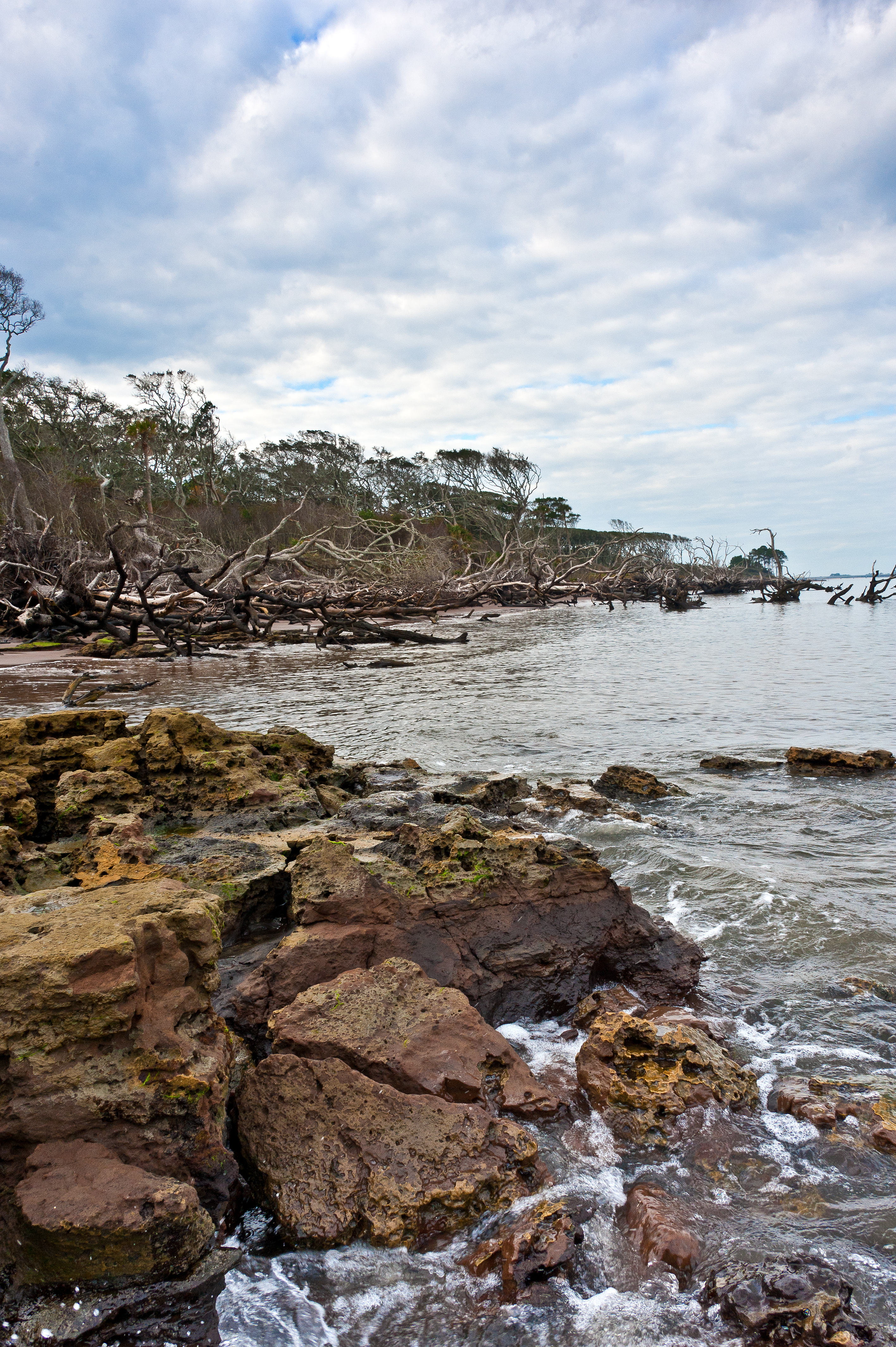
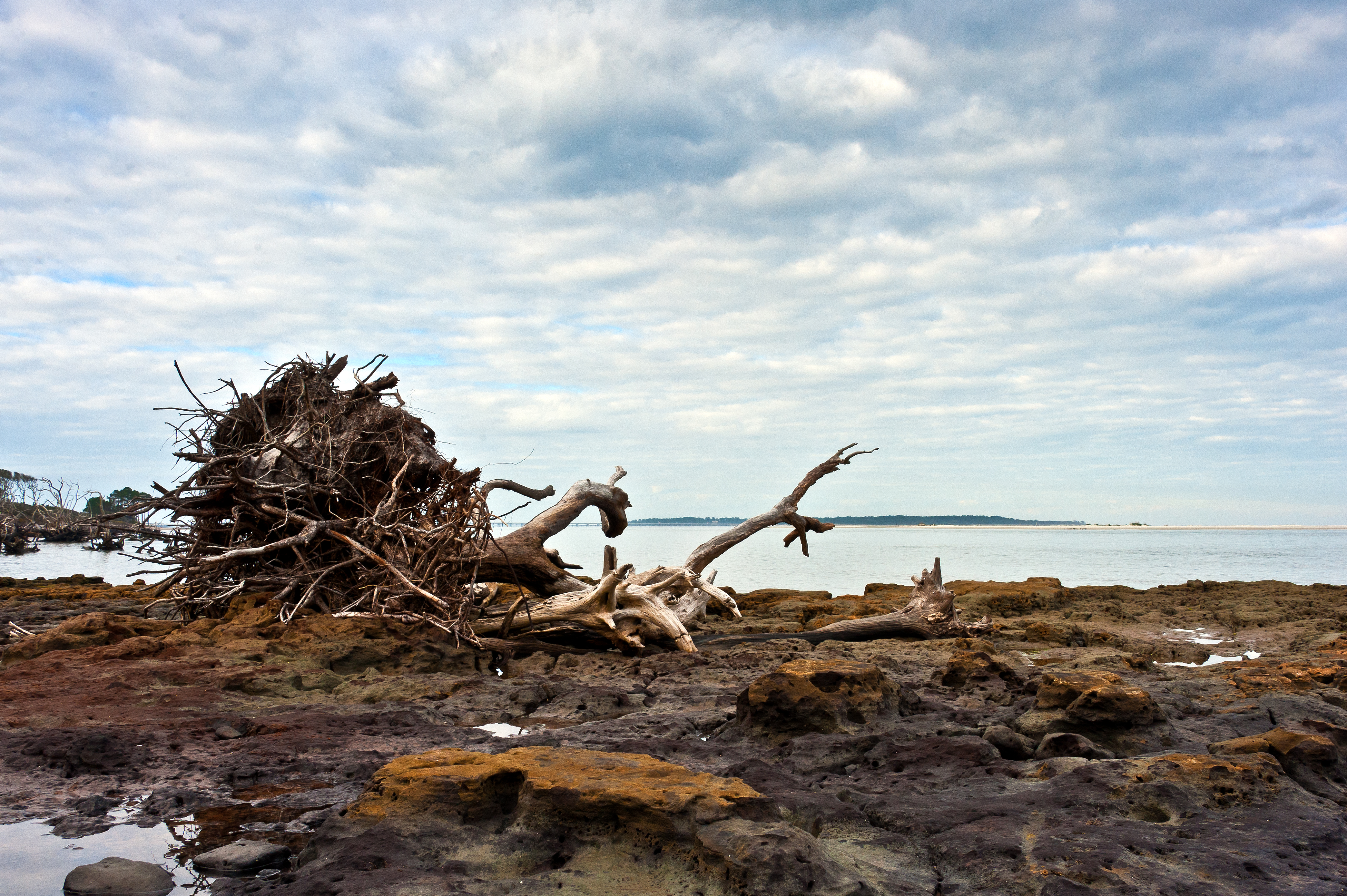
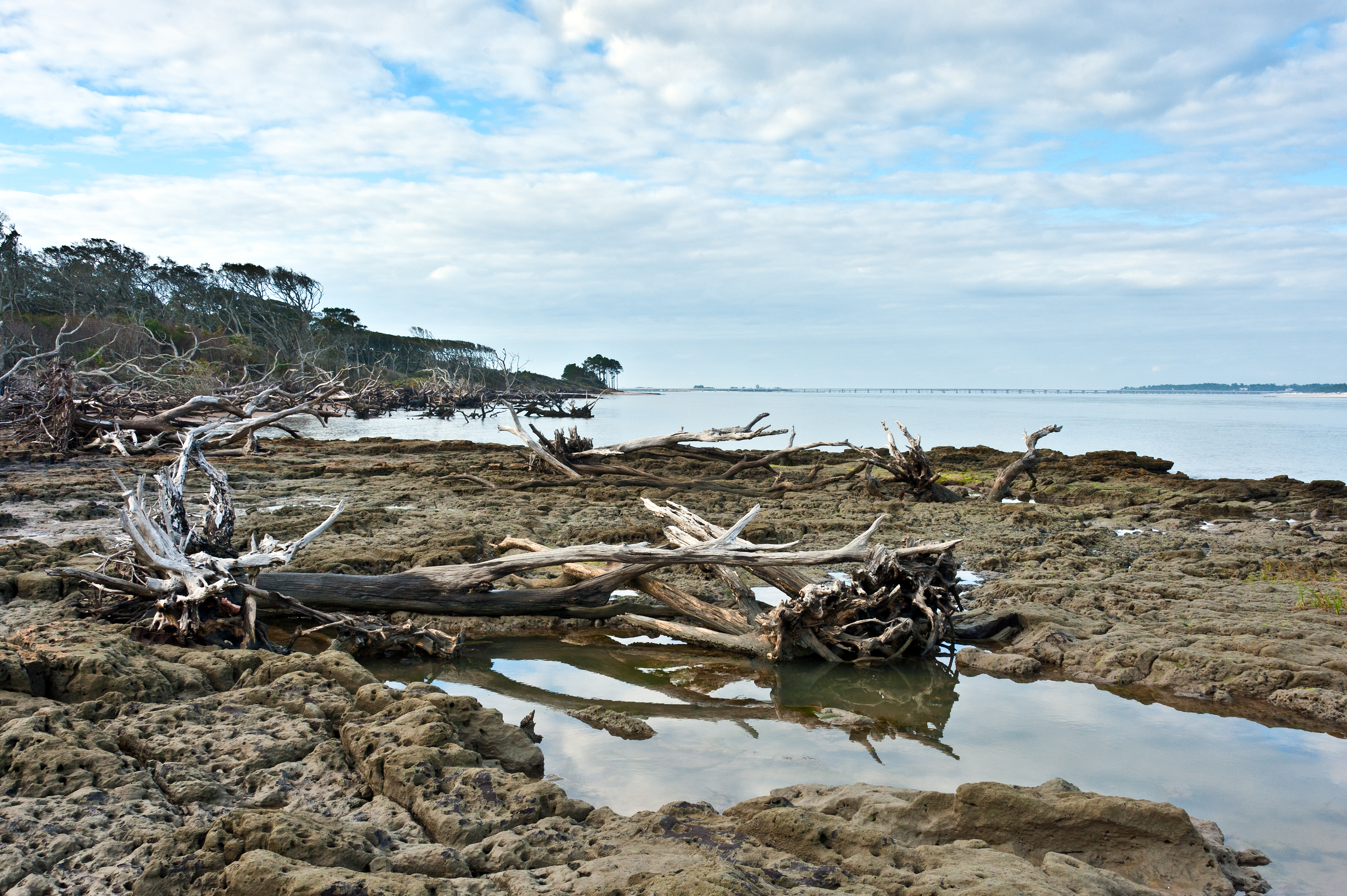
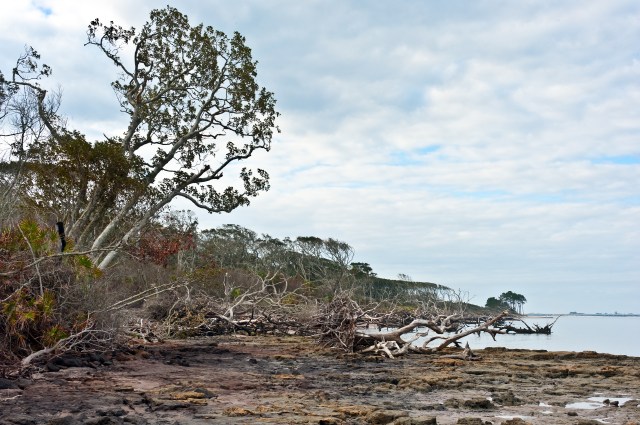
After leaving the beach, we went to Blackrock Trail that led to Blackrock Beach, a very unusual beach. I have been to many, many beaches in Florida, but have never seen anything like this beach. It was covered in  lava like hardpan sedimentary deposits that give it its “Blackrock” name. These rocky formations are habitat for mollusks, crabs, oysters, and other tide pool creatures. The following are a few of the photographs I took on Blackrock Beach.
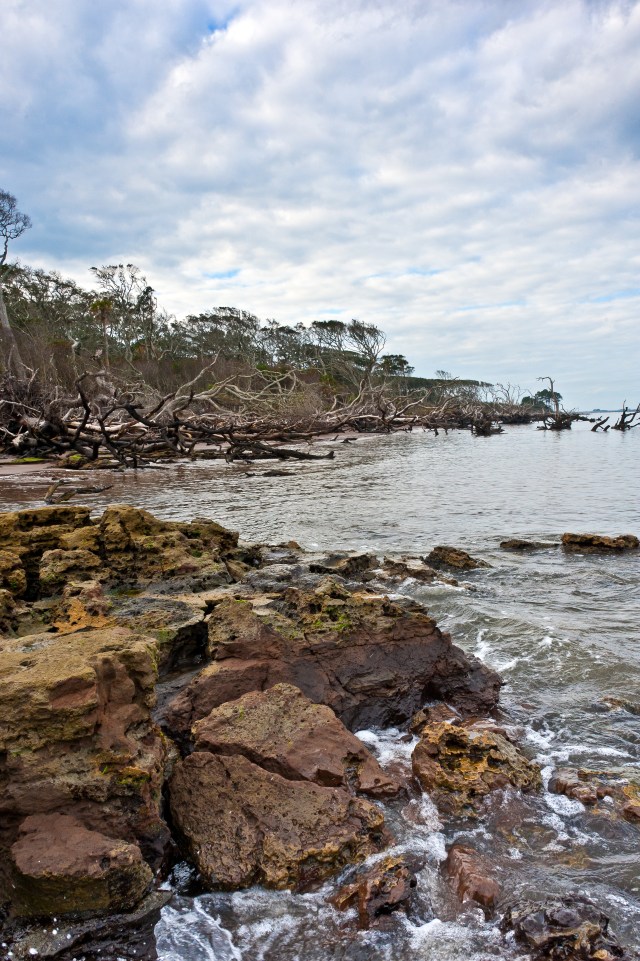
Blackrock Beach is also known as the “Boneyard” because of all of the dead trees, that through erosion, litter the beach. The trees have been there for many years and have a driftwood look having been bleached by the sun and washed by the ocean at high tide. We were there at low tide and were able to walk among them.
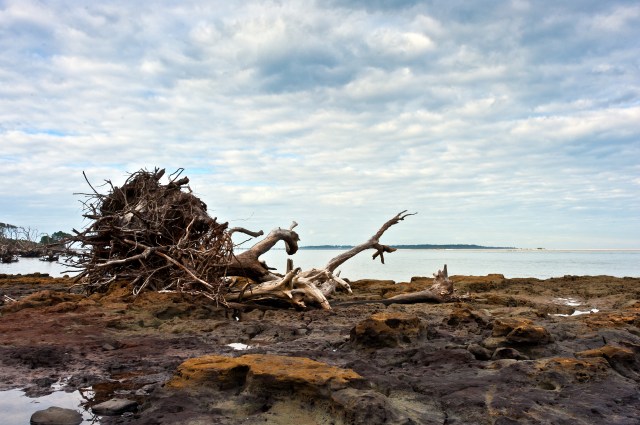
Later, we walked south along the beach where the black rocks ended and a more typical Florida beach was located.
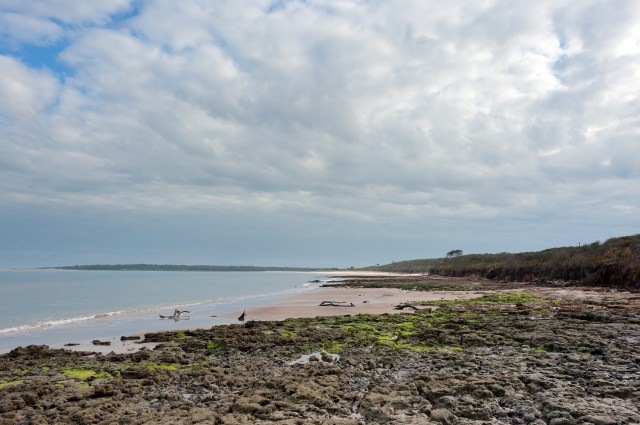
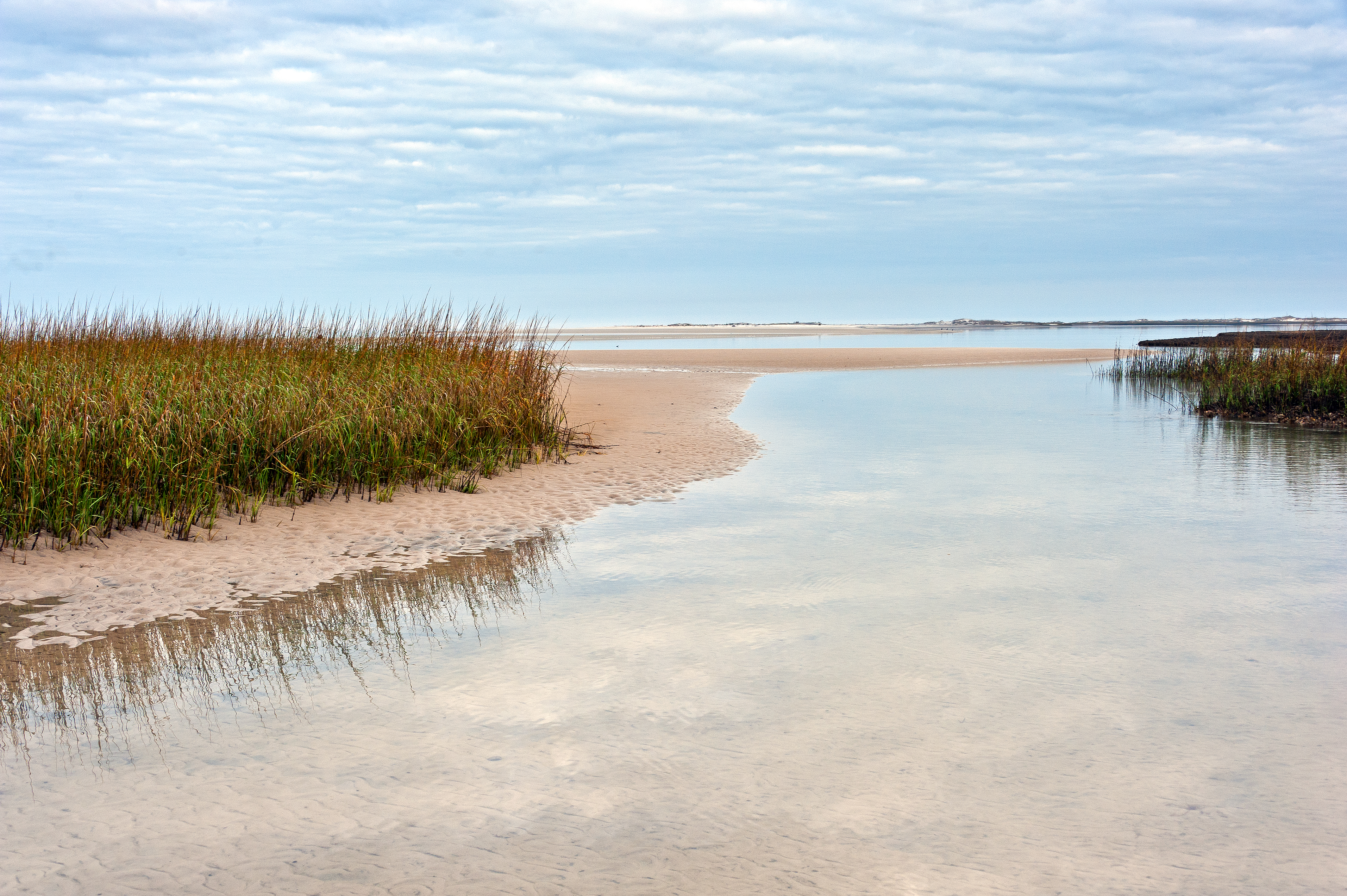
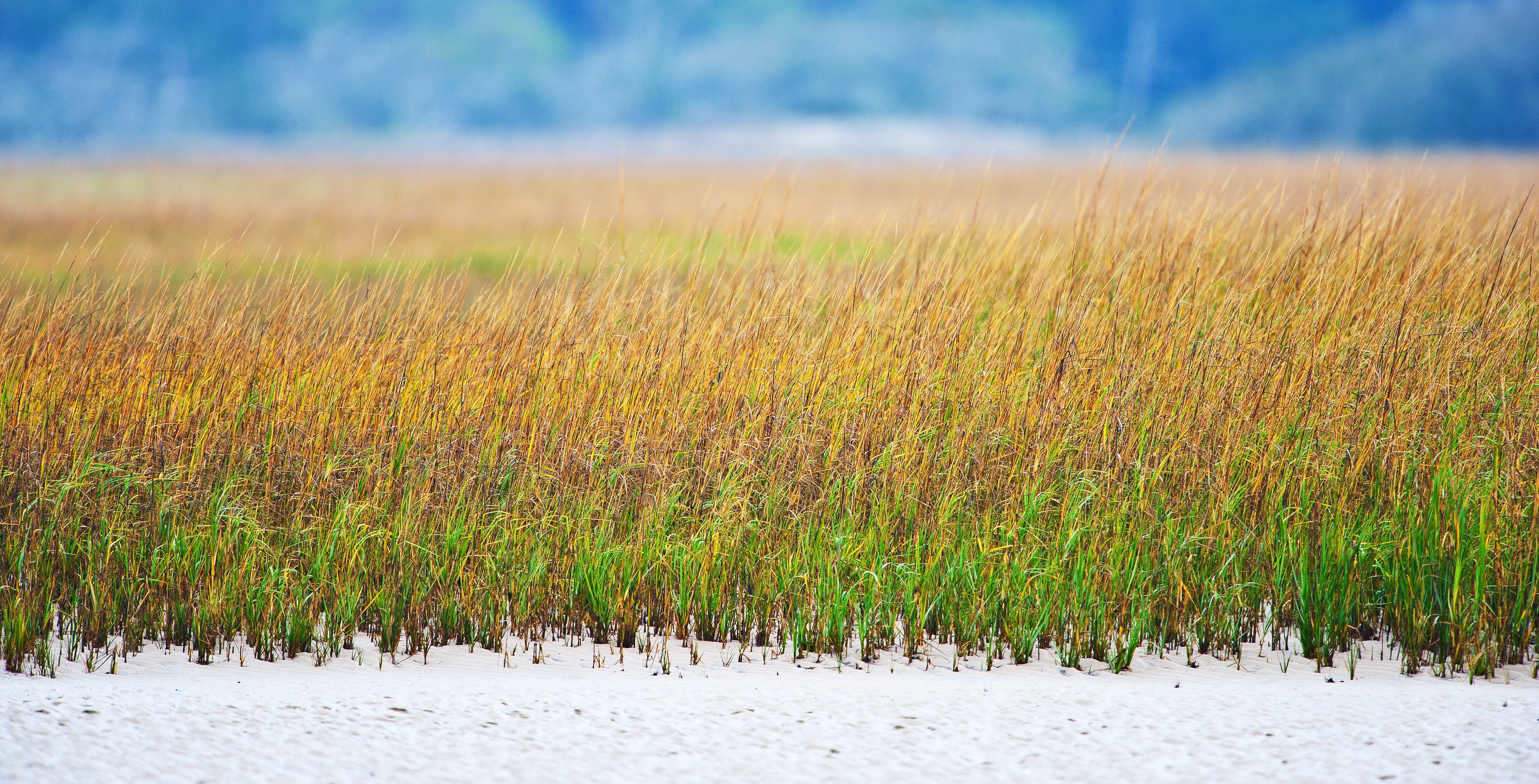
At the end of the beach was an inlet and salt marsh where we stopped to enjoy and photograph the view. The colors of the reeds and cord grass against the blues of the water and sky were gorgeous. A few images from that location follow.
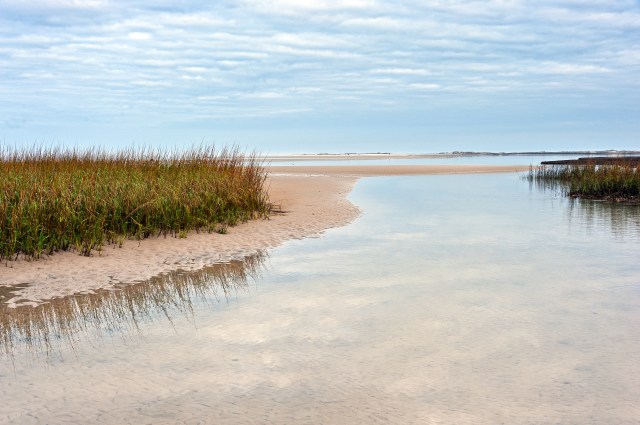
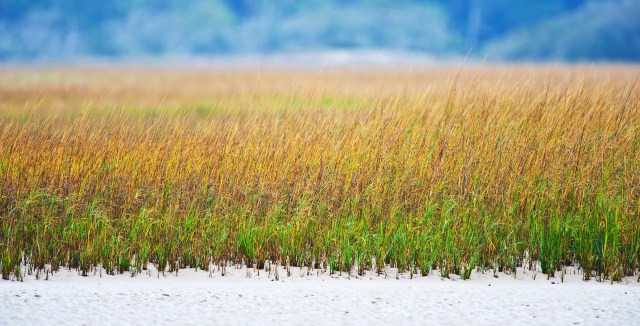
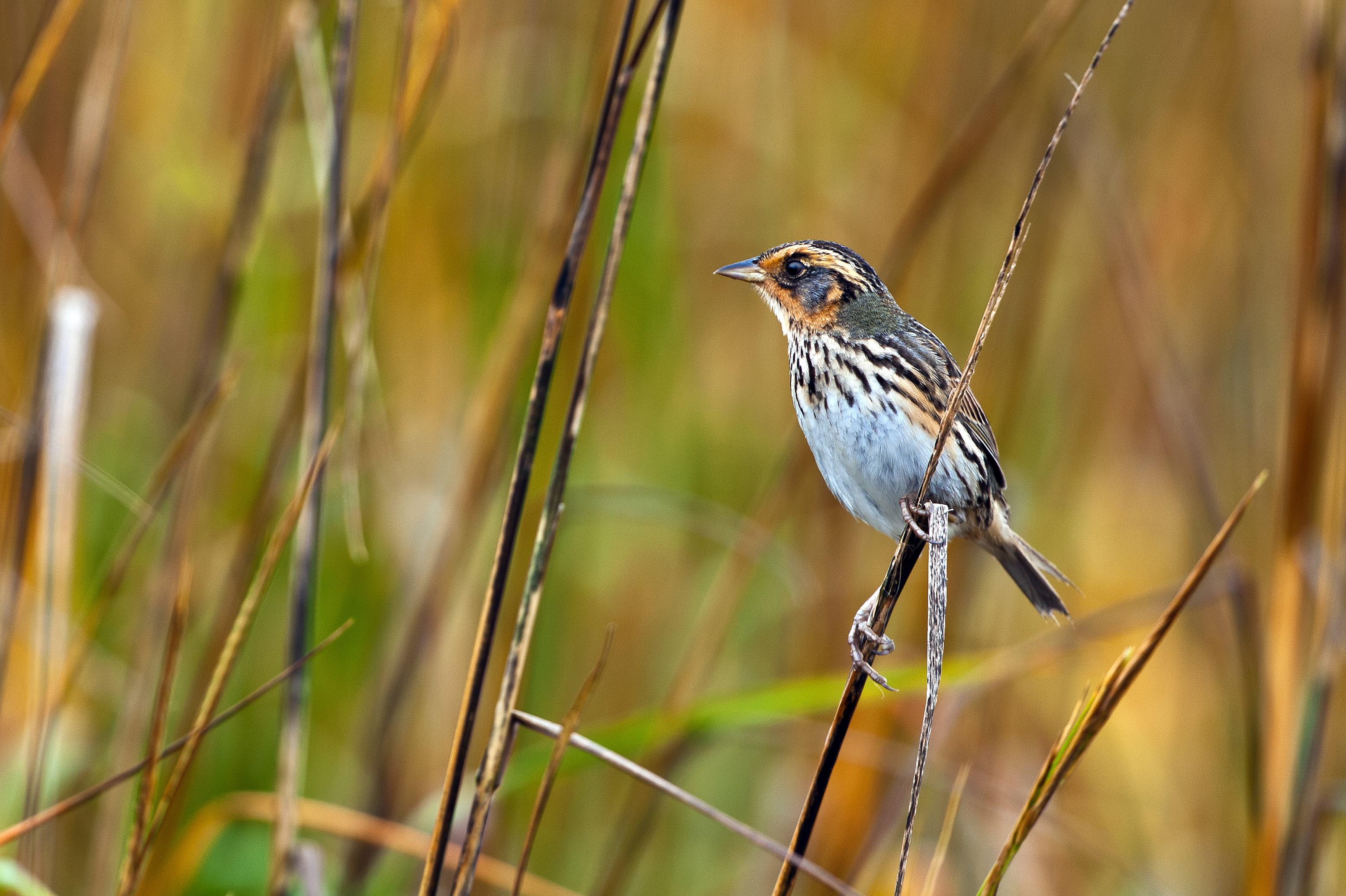
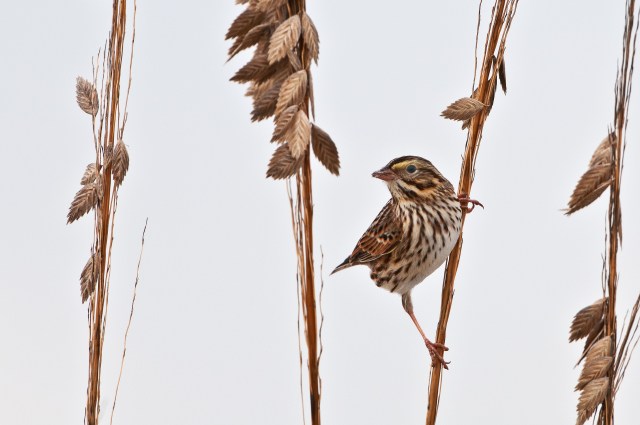
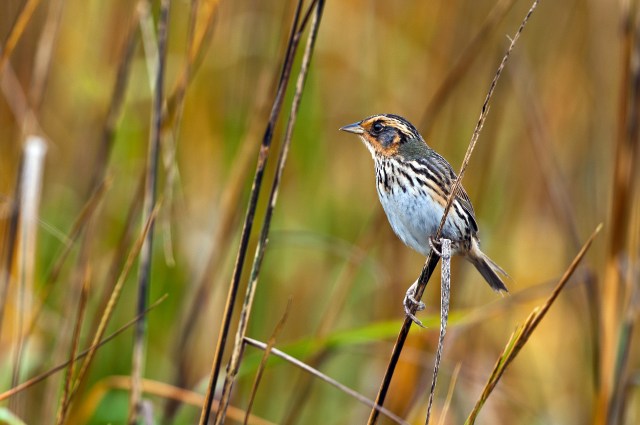
Within the reeds, Ivor spotted a Saltmarsh Sparrow and was able to lure it out to the edge of the reeds to see us, while I photographed it (below image).
Over the next week or two, I plan to post many more articles and images of the parks, preserves and refuges that I visited. They include: St. Marks National Wildlife Refuge, Paynes Prairie Preserve State Park, Peacock Springs State Park, Merritt Island National Wildlife Refuge, and Everglades National Park to name a few.
Posted in Bird Photographs, National and State Parks | Tagged , , , , | 5 Comments

Carrabelle in the Panhandle of Florida

I spent last weekend in Carrabelle, Florida, with a friend (Jim). Carrabelle is a small town in the Panhandle of Florida on the Gulf of Mexico that is surrounded by State and National forests, parks and preserves. Carrabelle is in Franklin County, and there are no traffic lights in the entire county. It is very rural and looks much like Florida used to look many years ago, and I loved that.

Jim owns a home on the Carrabelle River with gorgeous views of the river and surrounding salt marshes. He keeps a boat at the end of his dock, which we used to go fishing and to see some of the area from the water. Jim knew that I am a serious nature photographer, and therefore, we explored the Gulf Coast around Carrabelle from his boat and by car. I had a fantastic long weekend, took a lot of photographs, and was able to capture some of Carrabelle’s and Franklin County’s natural beauty.

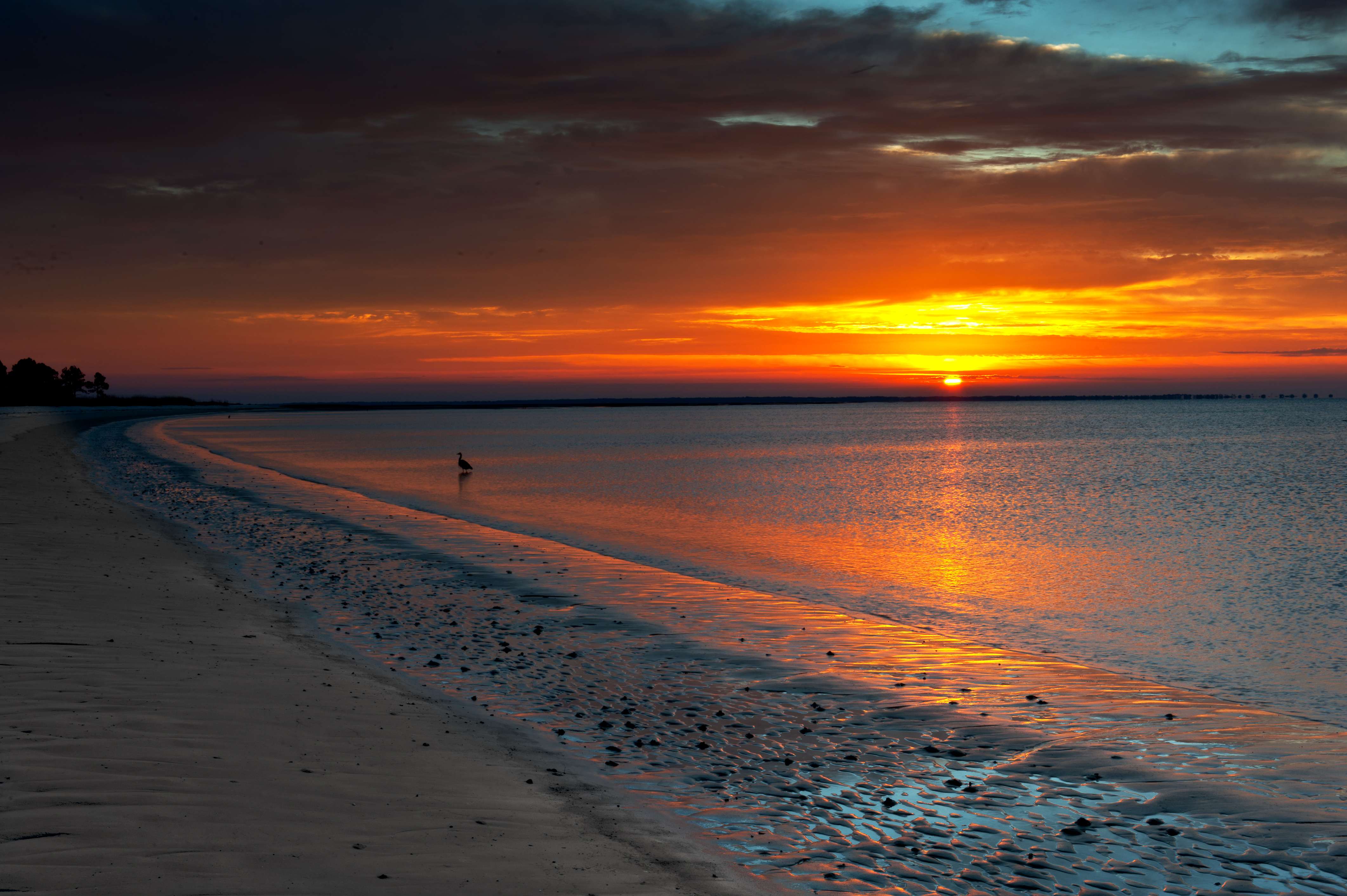
The opening image was taken from Jim’s boat as we were returning from fishing, and the below image is of the same sunset but shot from his dock.

As the sun fell below the horizon, in the opposite direction the full moon was rising, as seen in the following image also shot from Jim’s dock. It was obviously a beautiful evening.

Saturday morning, we got up early and went to Carrabelle Beach to shoot the sunrise (below two images). It was spectacular and well worth getting up early on a chilly morning.

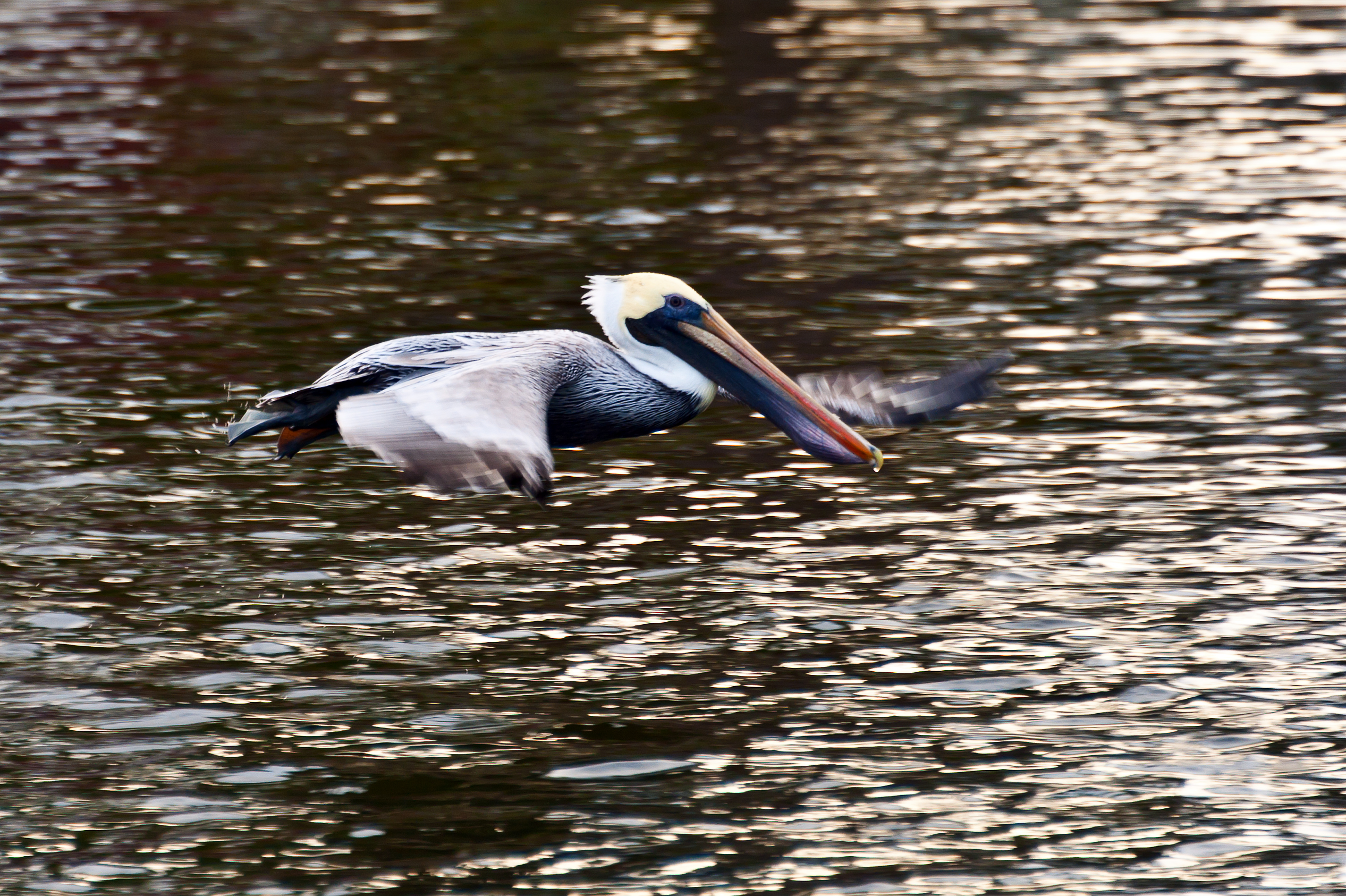
While out on Jim’s boat, I shot the following two images of pelicans in flight on the Carrabelle River.

Sunday morning was overcast but still beautiful on the river (below image).

Since the tides in Carrabelle were extremely low in the mornings that weekend, we could not go fishing so instead we explored Franklin County. One of the places we visited is known locally for its colony of white squirrels. Most white squirrels in North America are genetic color variants of the gray species. They are not albinos, breed normally and may have gray siblings. It is thought that the genes that normally produce a white underbelly in the gray squirrel are active in a wider area of their bodies, often leaving discernible gray patches on the spine and head. Below are two of the many images I took of the white squirrels. There were many of them in the area (approximately 10), and it was a very unusual sight.

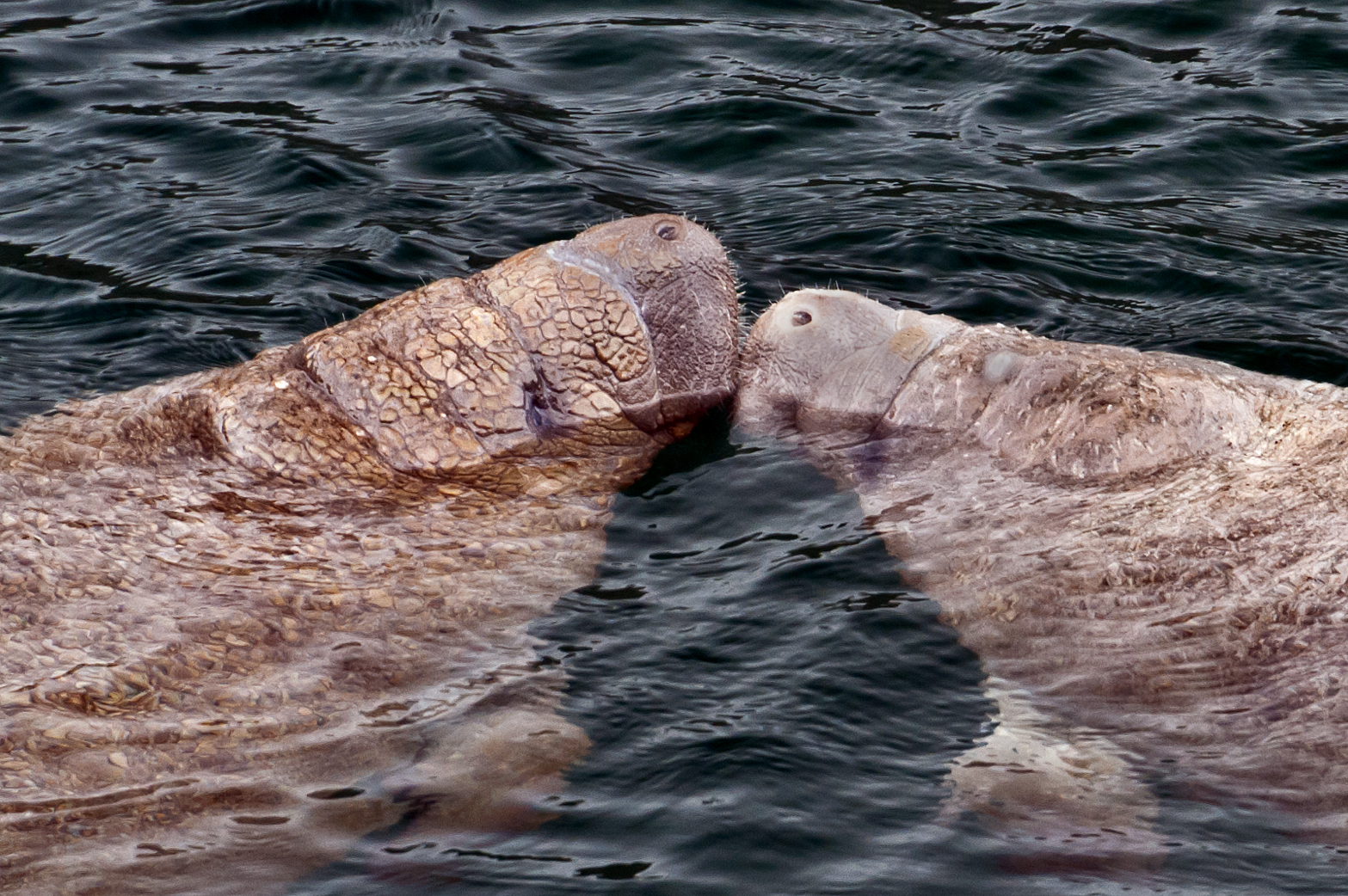
We also went to Wakulla Springs State Park, which has one of the largest and deepest (over 180 feet) springs in the world. Wakulla Springs is home to many manatees during the winter, and when we were at the spring, there were over twenty manatees swimming gracefully in the clear water. Below are some of the manatees.

Above, a young manatee is nursing.

In the above image, the manatee appears to be smiling. The below image is of a manatee that was watching me as I was taking photographs of it and the others.

The following images were taken as I left Carrabelle and headed to St. Marks National Wildlife Refuge. A weather front was moving east and the sun was lighting up the salt marsh.

I spent the day at St. Marks photographing birds and the landscape, which I will post in my next blog article.

Posted in Landscape Photographs, National and State Parks, sunrise, Sunset | Tagged , , , , | 9 Comments

Some of My Feathered Neighbors

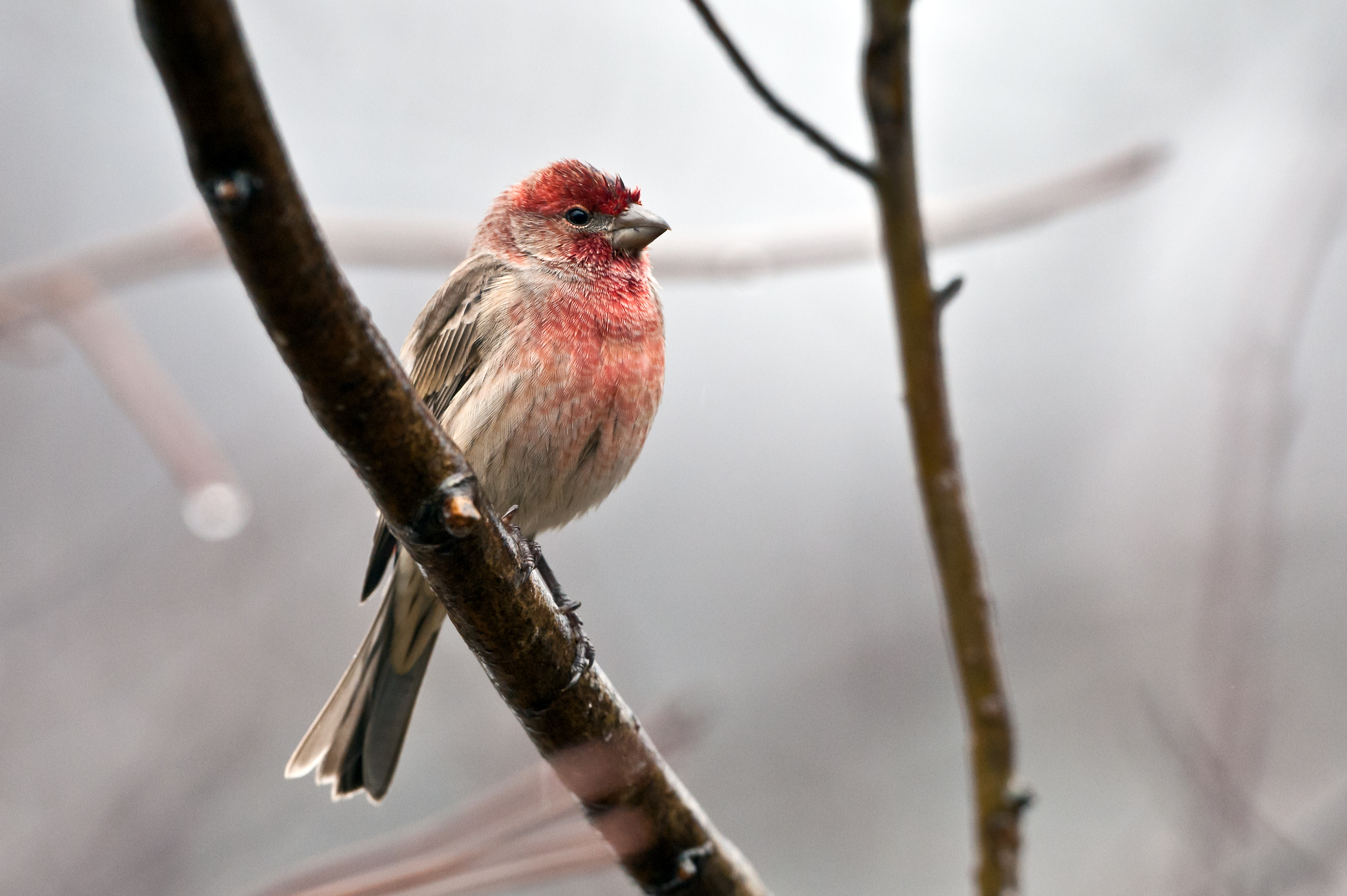
It was raining today and not a day for outside nature photography. Instead, I set up the camera in my home office in front of the sliding glass door, opened it up (it was 60 degrees), and photographed across the deck into the trees and captured digitally some of my bird “neighbors” as they came and went from our bird feeder. It was an amazingly active day at the feeder; there were Carolina Wrens (above image), Bluejays, Nuthatches, Titmouses, Chickadees, Cardinals, Bluebirds, American Goldfinches, House Finches, Morning Doves, Dark-eyed Junco, and a Downy Woodpecker.

I used this opportunity to break-in a new lens that is perfect for this type of photography. I also used my Nikon D700 and cranked up the ISO to 1000 and 1600 in order to get a quick shutter speed in the heavily overcast, rainy conditions. The filtered light from the overcast sky worked to my advantage by evenly lighting the birds. Below are some of the images. Click on them to see them in more detail.

House Finches above. Nuthatch below.
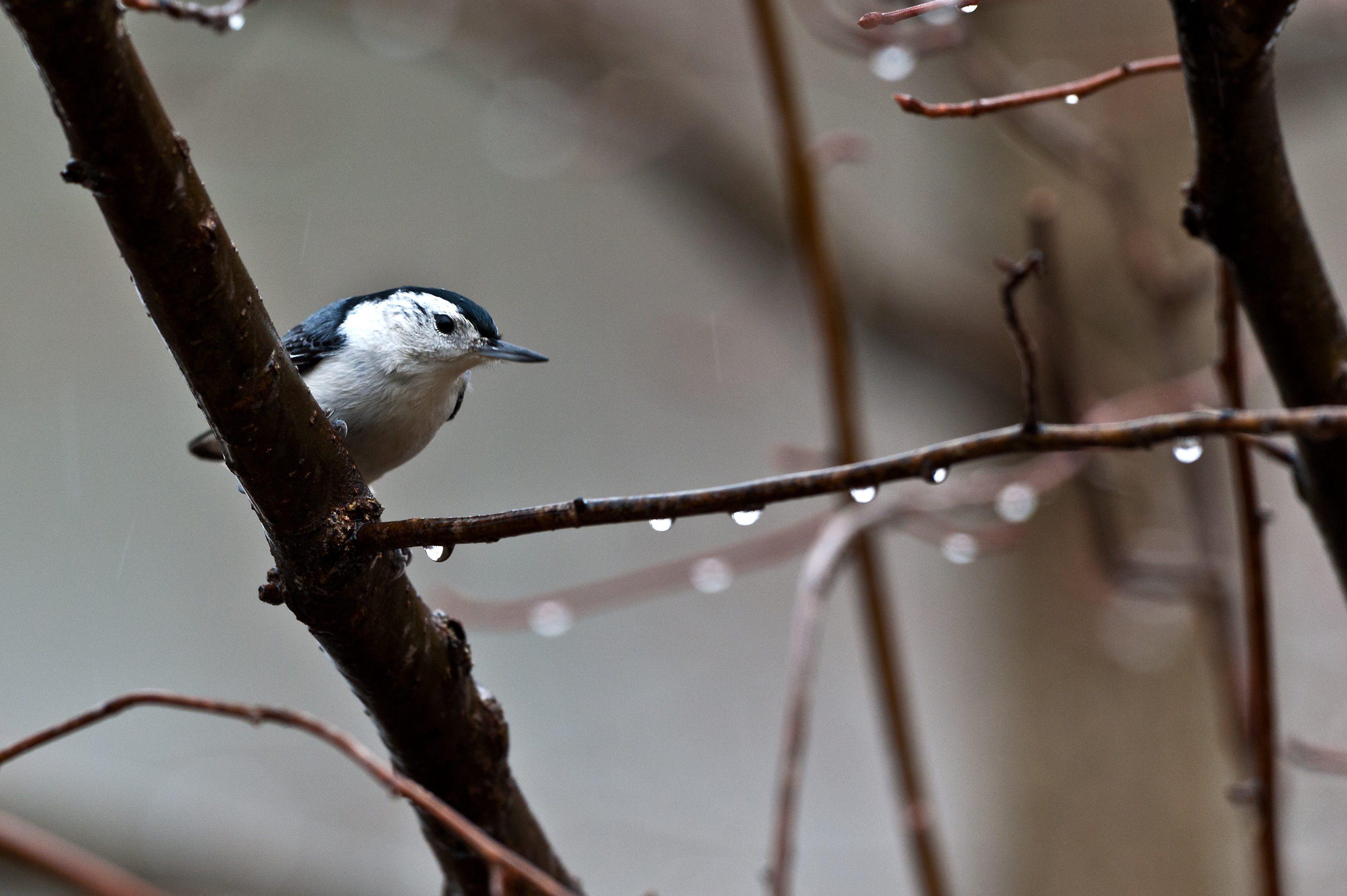
Morning Dove below.

And below is a Chickadee with a seed from the feeder in its beak.

Posted in Bird Photographs | Tagged , , , , , , , , , , , | 4 Comments

My Life as a Turkey

Although I have been called a turkey a few times, this article is not about my life as a turkey.  Instead, I wrote this article to highly recommend a video about a very special man, Joe Hutto, who lived in an oak hammock in Florida and raised 16 turkeys from the time they hatched until they were adults. In order for Joe to raise the turkeys, he had to live like one and talk like one.

The video titled, “My Life as a Turkey,” is less than an hour. If you cherish and enjoy nature, as I do, you will be fascinated by the video and what you will learn about wild turkeys.

http://video.pbs.org/video/2168110328/

In addition to recommending the video, I am including an image (below) that I processed yesterday from my trip to Bombay Hook National Wildlife Refuge in Delaware. It was shot with a 600mm lens and is of a Northern Pintail Duck. Northern Pintail Ducks are long, slender ducks with long, narrow wings, earning them the nickname “greyhound of the air.” Pintails are named for their elongated central tail feathers, which constitute one-fourth of their body length. They migrate through Delaware, where I photographed this male Pintail.

Posted in Bird Photographs | Tagged , | 2 Comments

Breaking in a New Lens for Wildlife Photography

On Friday, I purchased a new lens that is typcially used for wildlife and bird photography, and today, I experimented and tested it by photographing some of my neighbors, not the people, but a few of the birds, squirrels and ducks on the lake behind the house. Early this morning, when I looked behind the house on the lake, I saw several Mallard Ducks across the cove. I grabbed the camera, new lens and tripod and went to my dock and fired off a few shots, two of which are below. The ducks were at least 150 yards away.  Two of the images follow. Mallards do not live on our lake. So this small group was probably migrating south and stopped to look for food. They were not there long and eventually flew away.

Below are a few images of birds I photographed in the trees behind the house today. They include an American Goldfinch, Morning Dove and Female Cardinal.

Finally, the last image is of one of the squirrels that lives in the trees behind our house sitting on a branch eating a seed from the tree. Click (twice) on the squirrel’s face to see it up close and in detail. The new lens is, as they say, “tack sharp.”

Bottom line, I am very pleased with the performance of the new lens (Nikon 600mm f/4 VRII) and am looking forward to using it to photograph more of my “neighbors” and other wildlife in the area, as well as in other places to include some of Florida’s state parks in the next couple of weeks.

Posted in Bird Photographs | 6 Comments