Barred Owl on Lake Montclair

Barred-Owl-on-Lake-Montclair

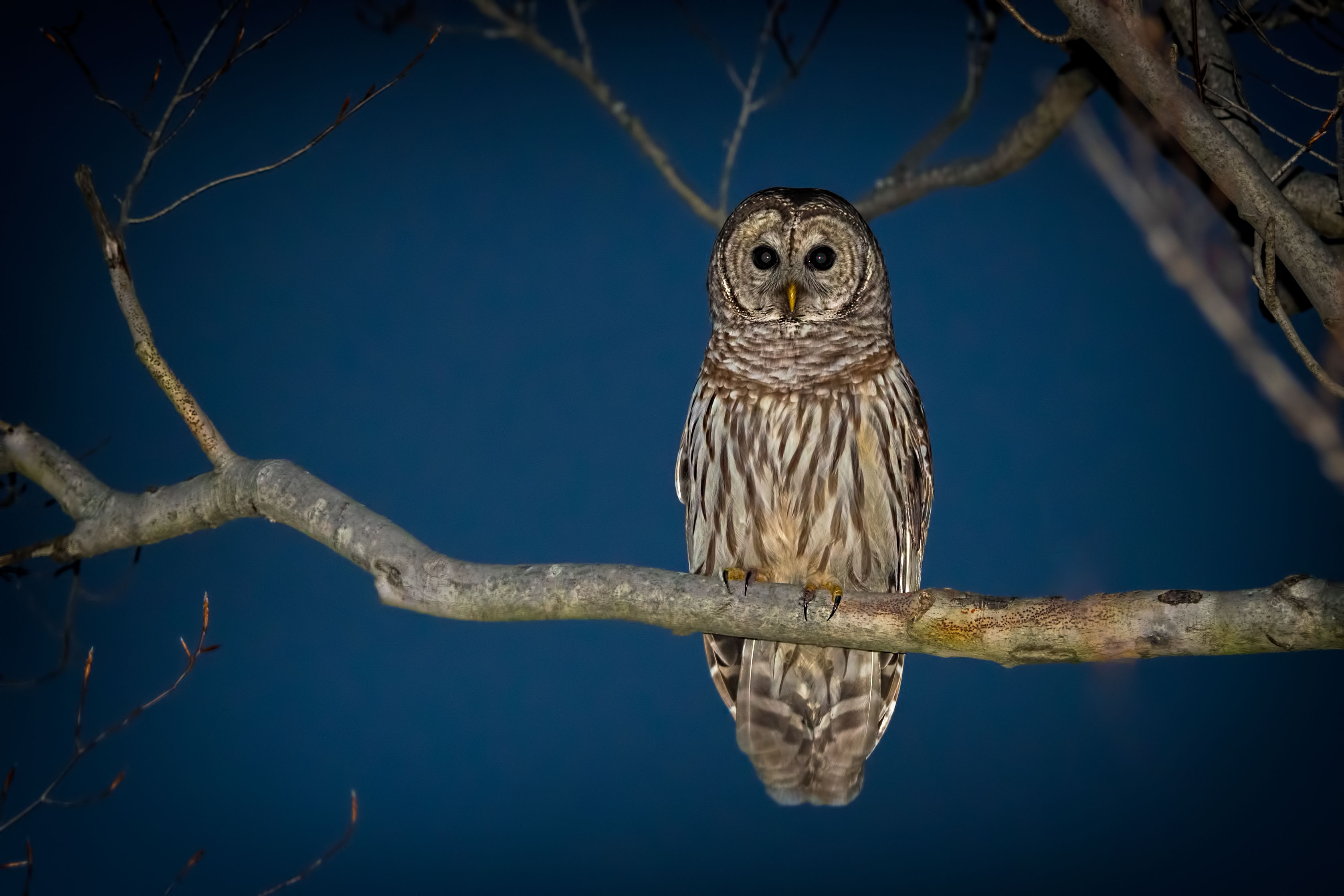
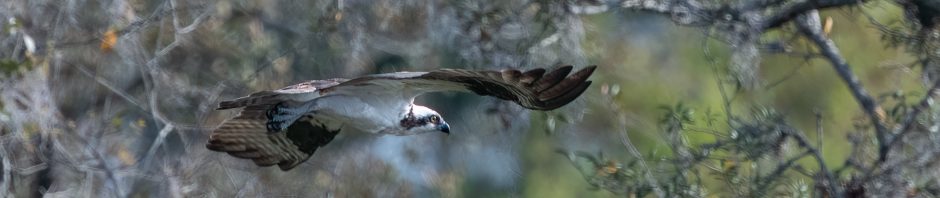
Some days are better than others. Today was one of the better days, because it ended with a Barred Owl flying into one of the trees behind my house. The weather today was unseasonably warm, and I was on my upper deck watching a gorgeous sunset when the Barred Owl flew into the tree. I quickly went inside and grabbed one of my cameras and took a couple of shots, but the owl was only a silhouette against the early evening sky. I quickly went back into the house and mounted a speedlight (flash) on to the camera and returned to the deck. Fortunately, the owl was still in the tree. I managed to get off a few shots before it flew away. What a great way to end a weekend!

The above image was taken with a Nikon D810, Nikon SB-910 Speedlight, 80-400mm lens at 200mm, f/5.3, 1/500 sec and ISO 800.

Posted in Lake Montclair, Nature, Wildlife | Tagged | 7 Comments

Mother and Baby Alligators

Mother-and-Baby-Gators

A couple of weeks ago, I posted the above and below images on my blog. I was in Gainesville, Florida, at the time I took the photos. My friend, Ernie, was meeting me there within a few days to do some wildlife and landscape photography. The day before Ernie arrived, I photographed the mother and young gator in a rarely seen and photographed behavior.
Mother-and-Baby-Gators-1

I returned to Virginia, and Ernie stayed in Florida for three more weeks photographing wildlife at a number of refuges and parks. Little did I know that Ernie was on the hunt for a similar gator image. As a guest contributor to my blog, Ernie explains his success in the below article.

Guest Article by Ernie Sears:

I first saw Steve’s mother and child alligator image as an email attachment sent to me a few days before I was to meet him at Paynes Prairie State Park in Florida. Like everyone else I know who has seen the image, I was blown away. It is an incredible image, the kind you might see in National Geographic.  Right away I wished that I had taken it. It is perfect in every way, except that I was not the photographer who made the once in a lifetime shot.

As you may have picked up from Steve’s previous blog posts, he and I shoot together often. We share advice and experiences, and yes, there is a bit of friendly rivalry. It doesn’t happen often, but I do get a kick out of it when I get a better shot of a subject than he did. But how was I going to top his great gator shot?

Steve and I shot at Paynes Prairie, Cedar Key, and Crystal River State Park during the three days that my wife and I were in Gainesville. Steve captured a bison image that was much better than mine. I got lucky and got some bald eagle shots that were better than his. Good “keeper” shots, but nothing that special. Paynes Prairie has hundreds of gators – but none with a baby on its mother’s head, at least while I was there.

My wife and I left Gainesville and headed for Captiva for two weeks of exploring refuges and preserves in Southwest Florida. I will not say I was consumed with getting the gator shot, but I did check the dark tannin stained waters of every swamp, pond, and ditch wherever we went searching for the prize shot. I was hoping that lightning would strike again and I could get what was becoming my holy grail.

I found and shot a pair of outlandishly beautiful painted buntings, wood storks, ten of the heron and egret species, warblers, ducks, eagles, sandhill cranes, spoonbills, hawks, owls, 30 other species of birds, deer, butterflies, wild horses, snakes, nine-banded armadillos, turtles, and more. And I saw a lot of gators, but not a single baby, let alone one taking a ride on mom’s head.

It was also getting a little dangerous – for people in my way. At Six Mile Cypress Slough, I thought I heard someone say they saw baby alligators on the shoreline I had passed on the lakeside boardwalk. Without thinking of anything except getting the shot, I charged back on the one-way boardwalk, even though it was filled with a busload of people from a retirement home. Those walkers and wheel chairs take up too much room on the narrow walkways. No one was hurt, but my wife had to repeatedly apologize for my rude behavior. Of course there were no baby alligators to be seen.

We left Captiva and moved on to Lake Kissimmee State Park in central Florida to continue the quest. No luck there either, so it was on to St. Augustine, our last stop in Florida. My last chance to get the mother/child gator shot. Would I be successful?

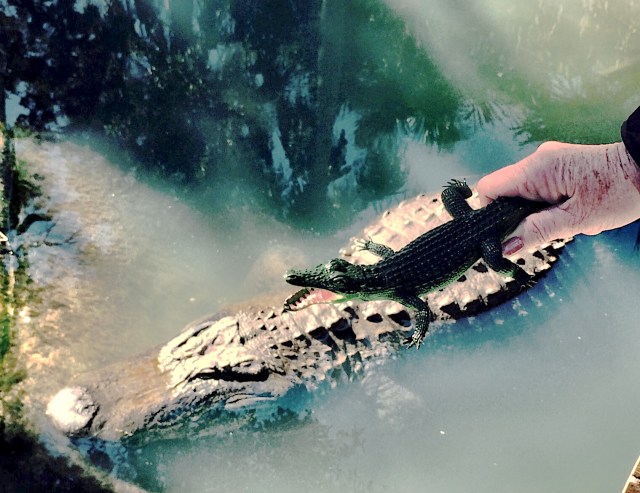
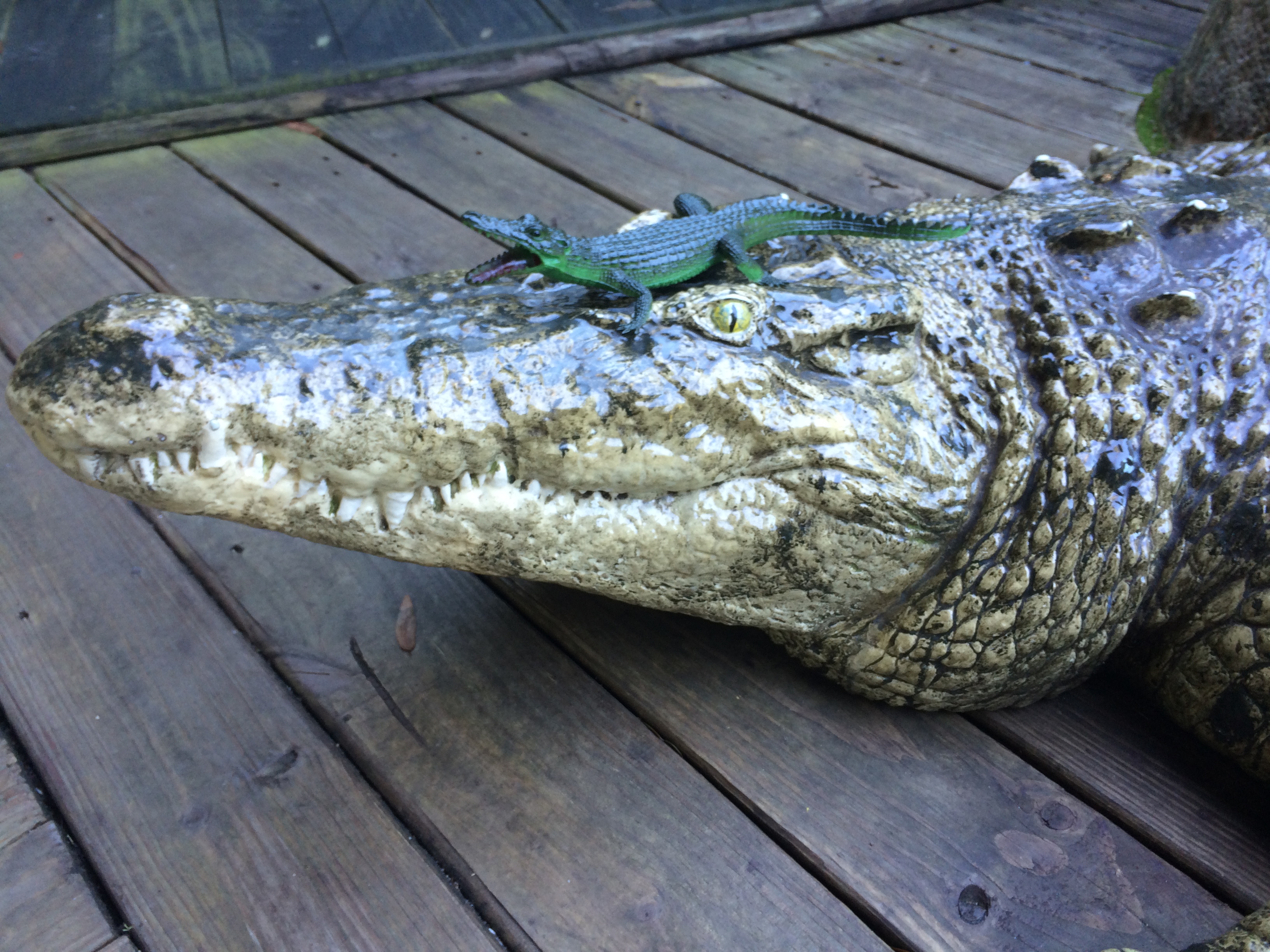
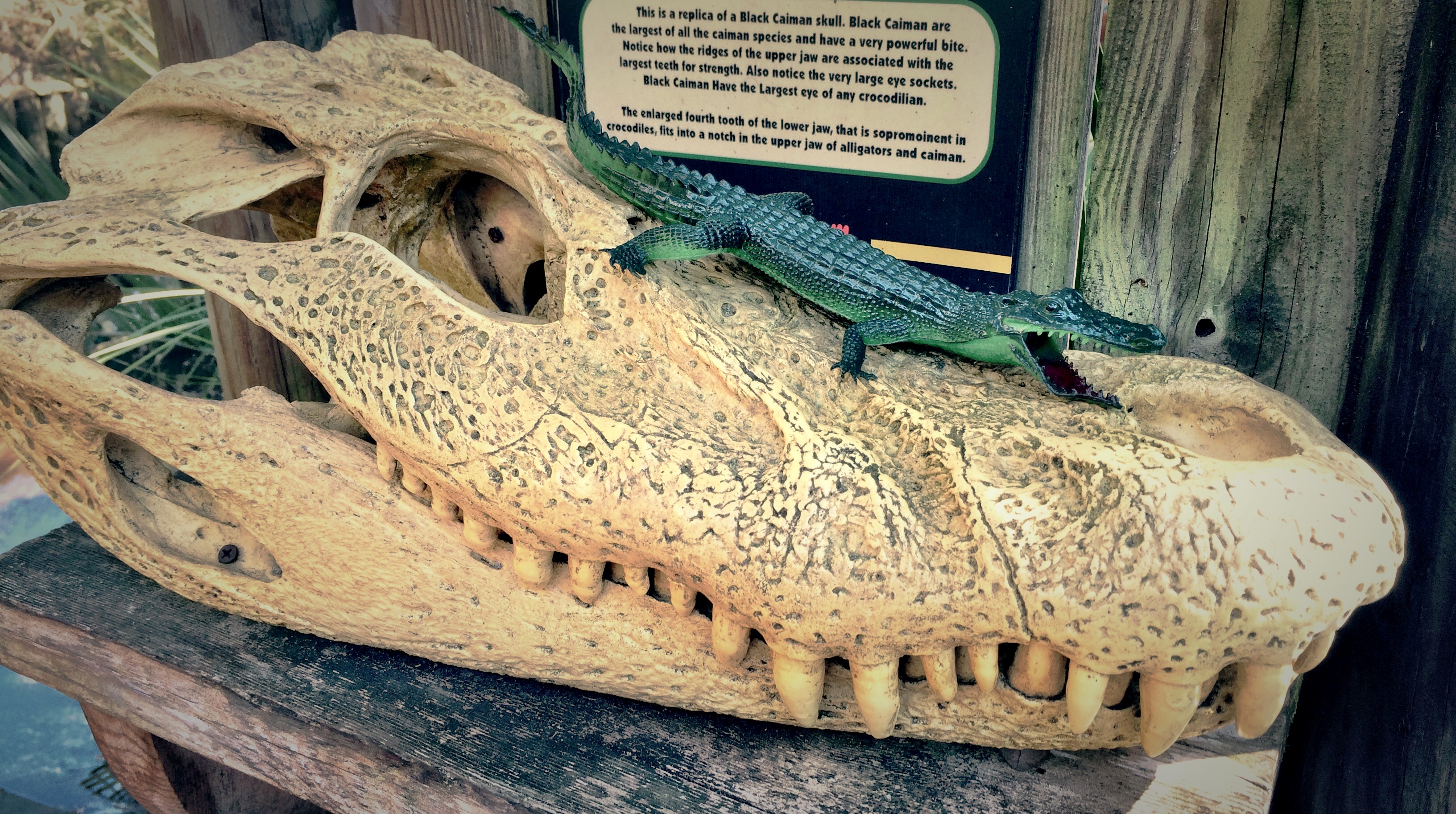
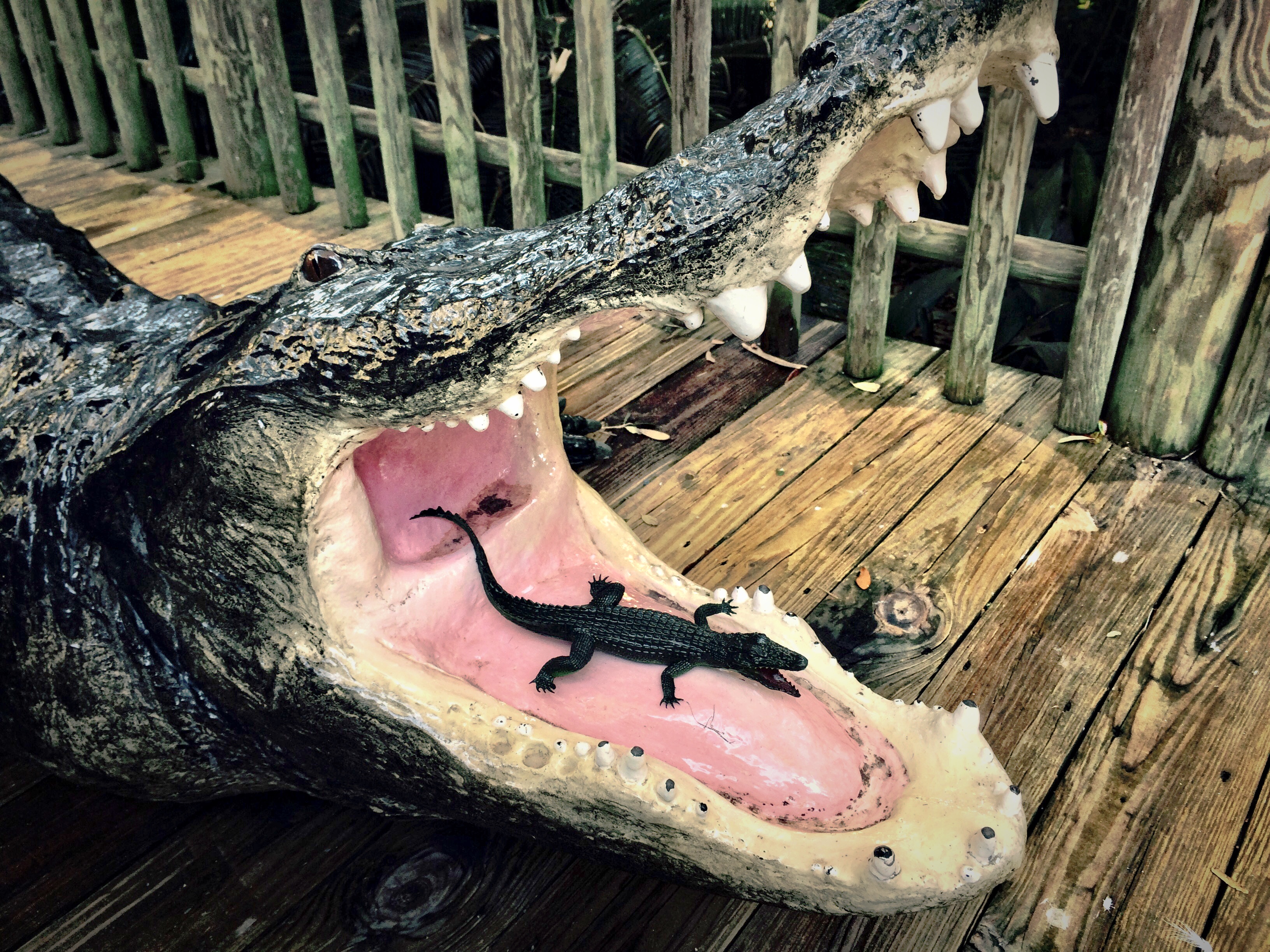
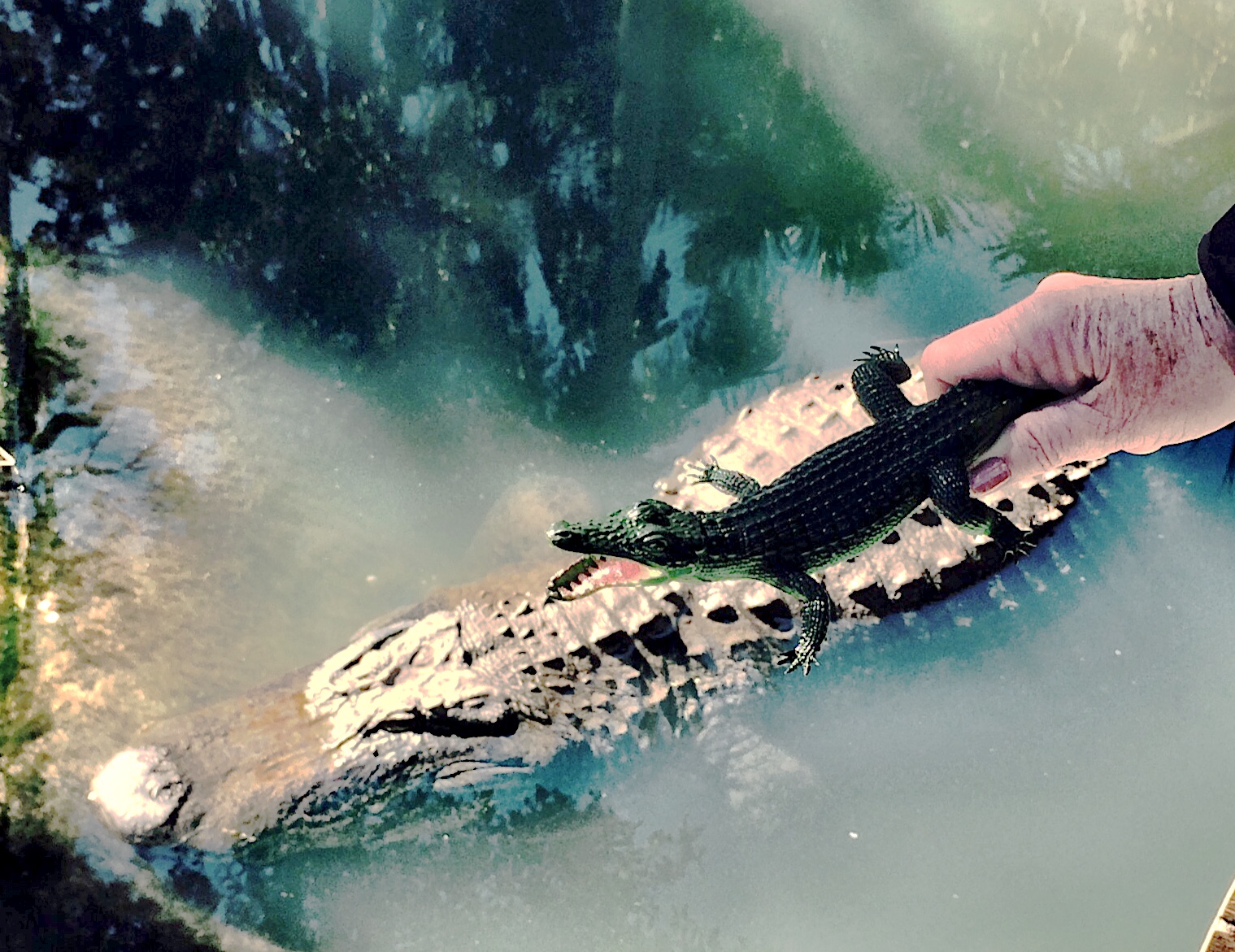
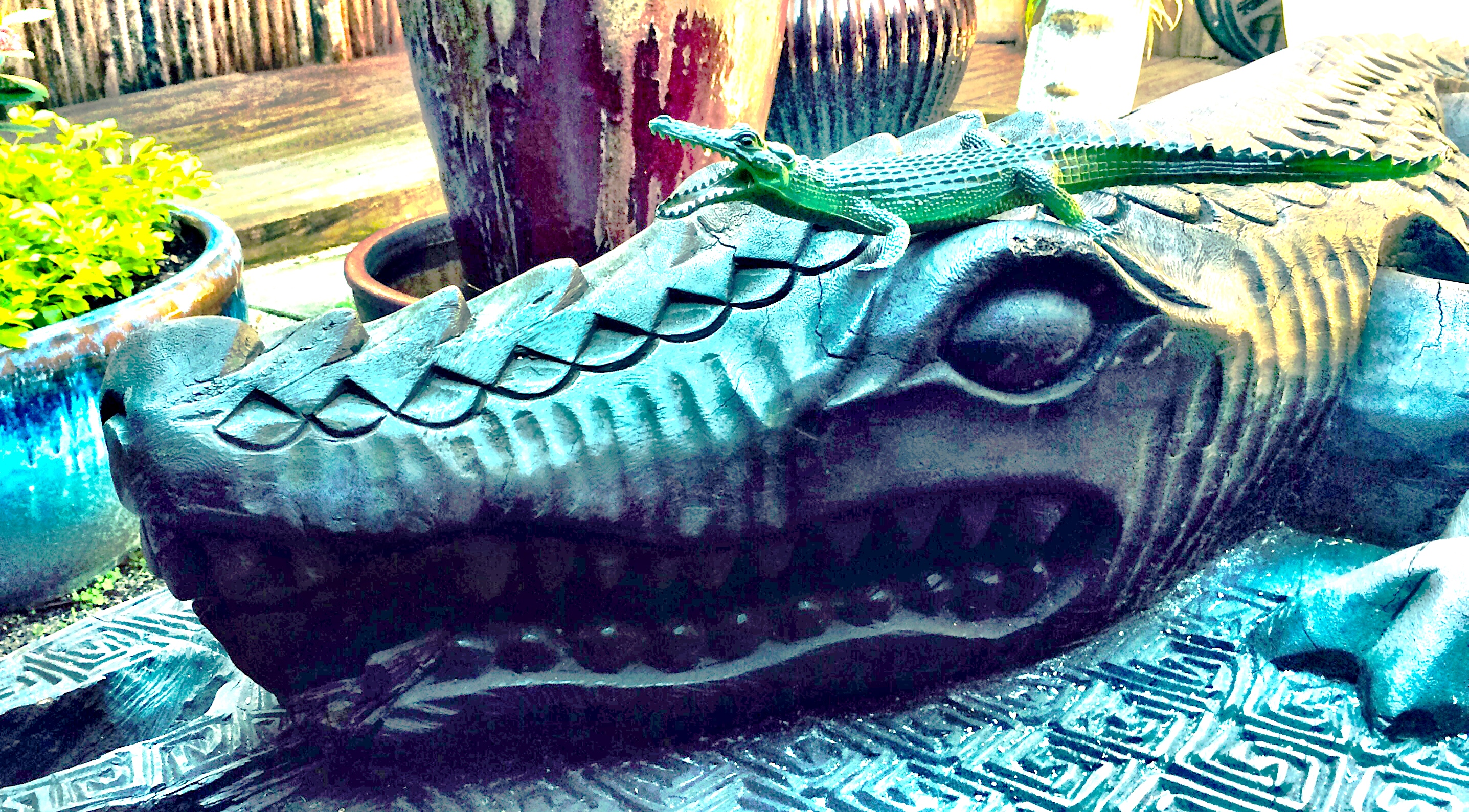
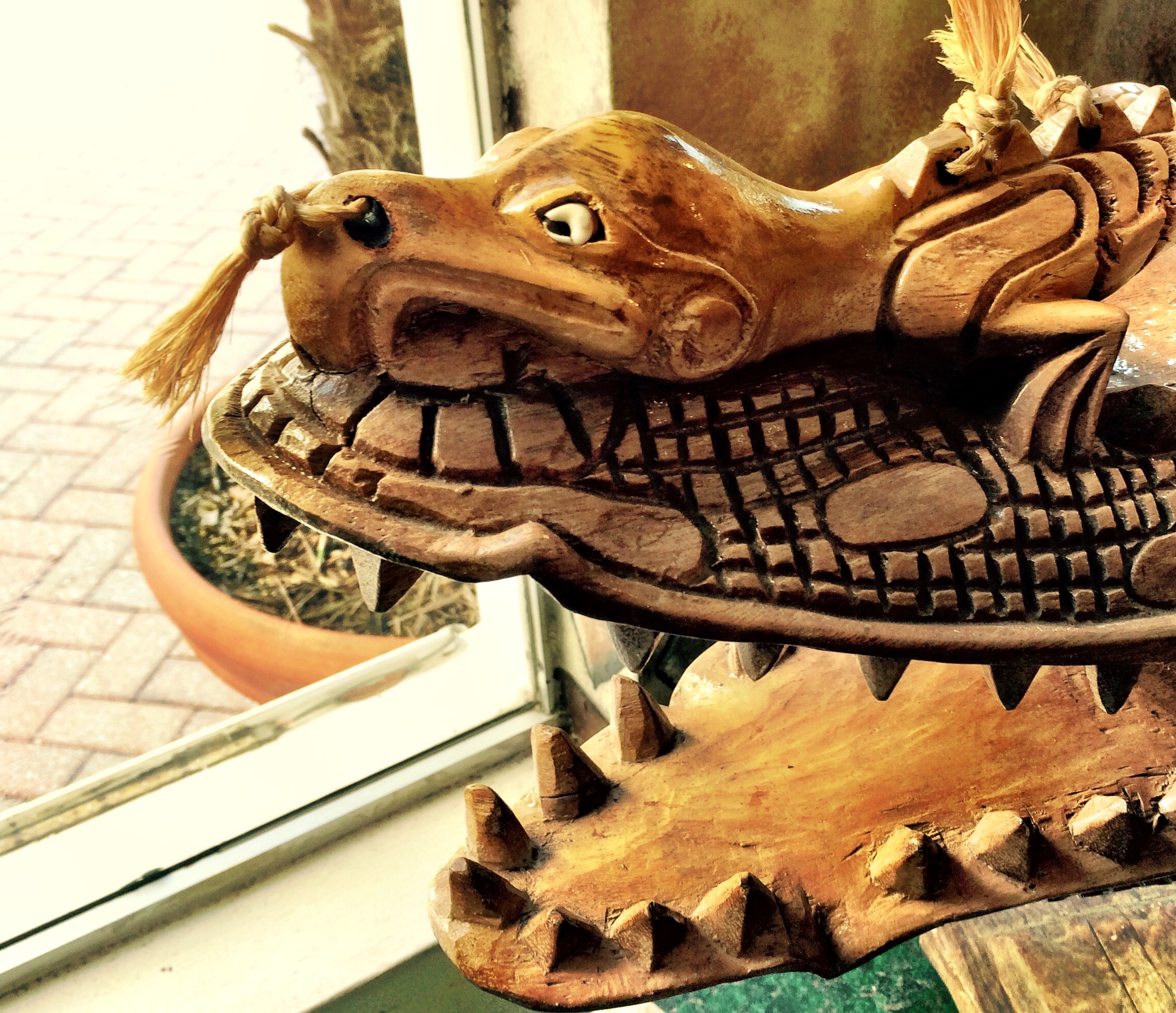
It did not start well and I was about to give up, when I remembered that St. Augustine is the home of the mecca of gator lovers – the Alligator Farm! Here you can find hundreds of American Alligators including a rare albino gator. But how would I get one with a baby on its head? As you can see from the images below, it turns out not to be that hard at the Farm, if you think outside the box a little.

Now please excuse me. I need to go sit by the phone. After seeing these images I am expecting a call from National Geographic.

20150127_2763

20150127_2766

20150127_2765

20150127_2767

20150127_2768

20150127_2769

Click here to visit Ernie’s websites: AmericanWildBird.com and FromWaters Edge.com

——————————————————————

Stephen Tabone:  You can tell from the above article that I have a very special, talented friend with a great sense of humor. Thank you Ernie.

I have recently been reviewing images from when Ernie and I explored and photographed for three days in the Gainesville area. I will be posting some of those images in a blog article I am expecting to complete this week. It was a very good three days.
Posted in Wildlife | Tagged , | 6 Comments

American Alligator with Baby Gator (on Its Head)

Mother-and-Baby-Gators-1

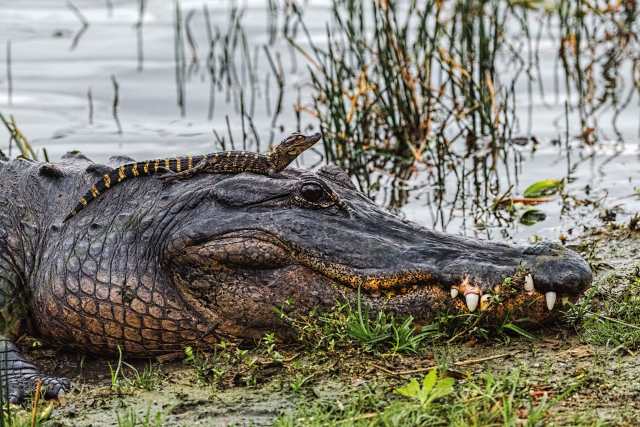
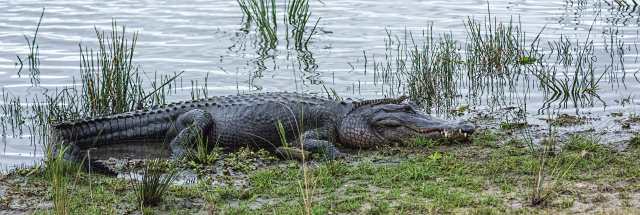
I had incredible luck today, while on Paynes Prairie Preserve State Park, when I was able to photograph a VERY large mother alligator with one of her young gators on her head. I had heard of such gator behavior, but I never imagined I would be able to photograph it.

Mother-and-Baby-Gators

Based on the length of the baby gator (about 12″), I estimate the length of the mother alligator to be over 10 feet. As you can see from the images, she was keeping a close eye on me.

Mother-and-Baby-Gators-croppedI shot the images with a Nikon D810 and 80-400mm lens. Since it was very overcast and the light poor and because I was hand-holding the camera, I shot the images at a high ISO of 2000 to enable shooting at 1/500 sec, f/5.6. Because the D810 produces low noise images at high ISOs, I did not need to apply any noise reduction to the images.

Comments on my blog and this article are appreciated and can be entered by clicking on “Comments” found below the Share this: section. You can also read other’s comments there.

Posted in Nature, Paynes Prairie Preserve State Park, Wildlife | Tagged , , , | 10 Comments

Swallow-tailed Gulls in the Galapagos Islands

Swallow-tailed-Gulls

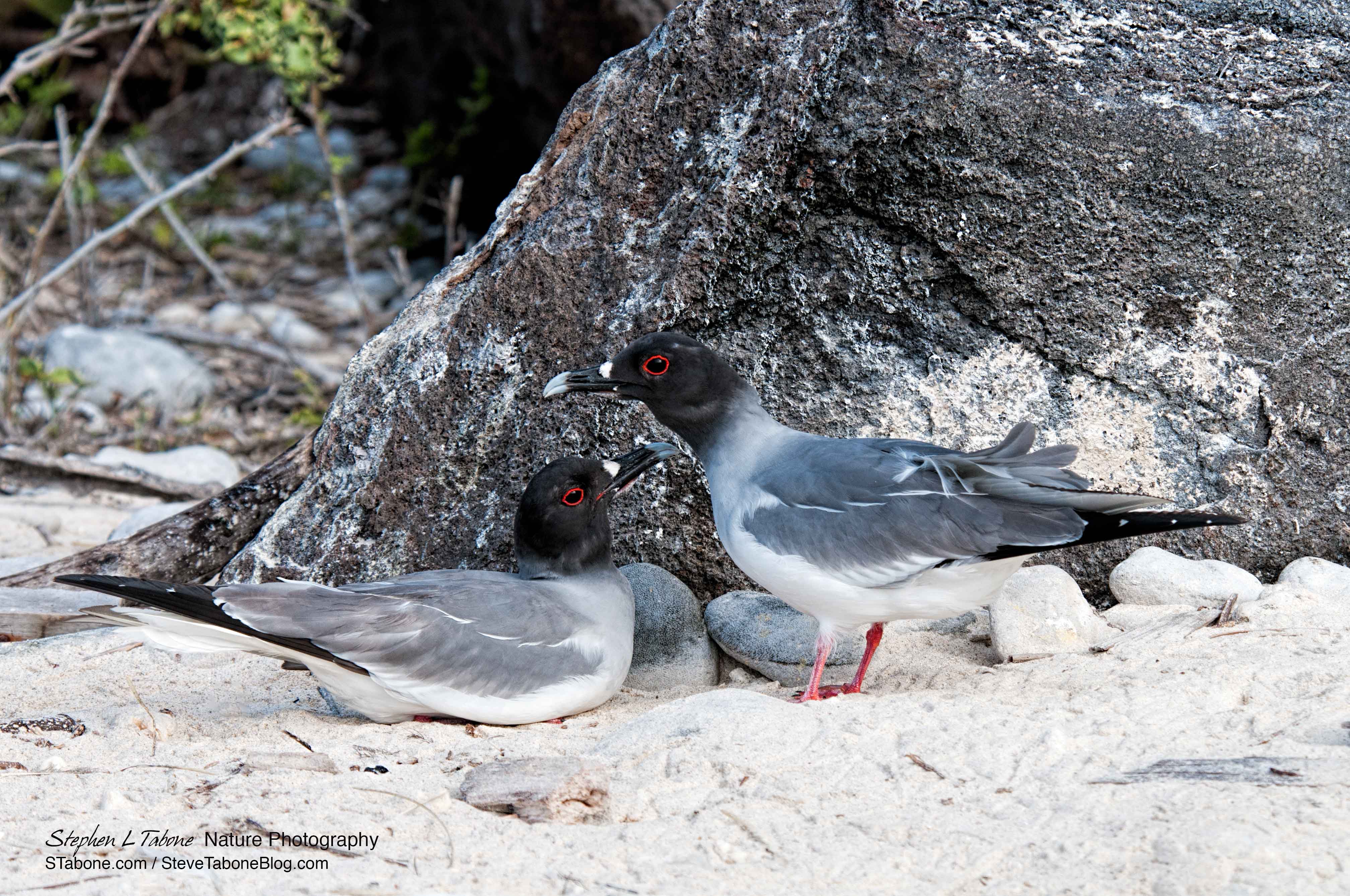
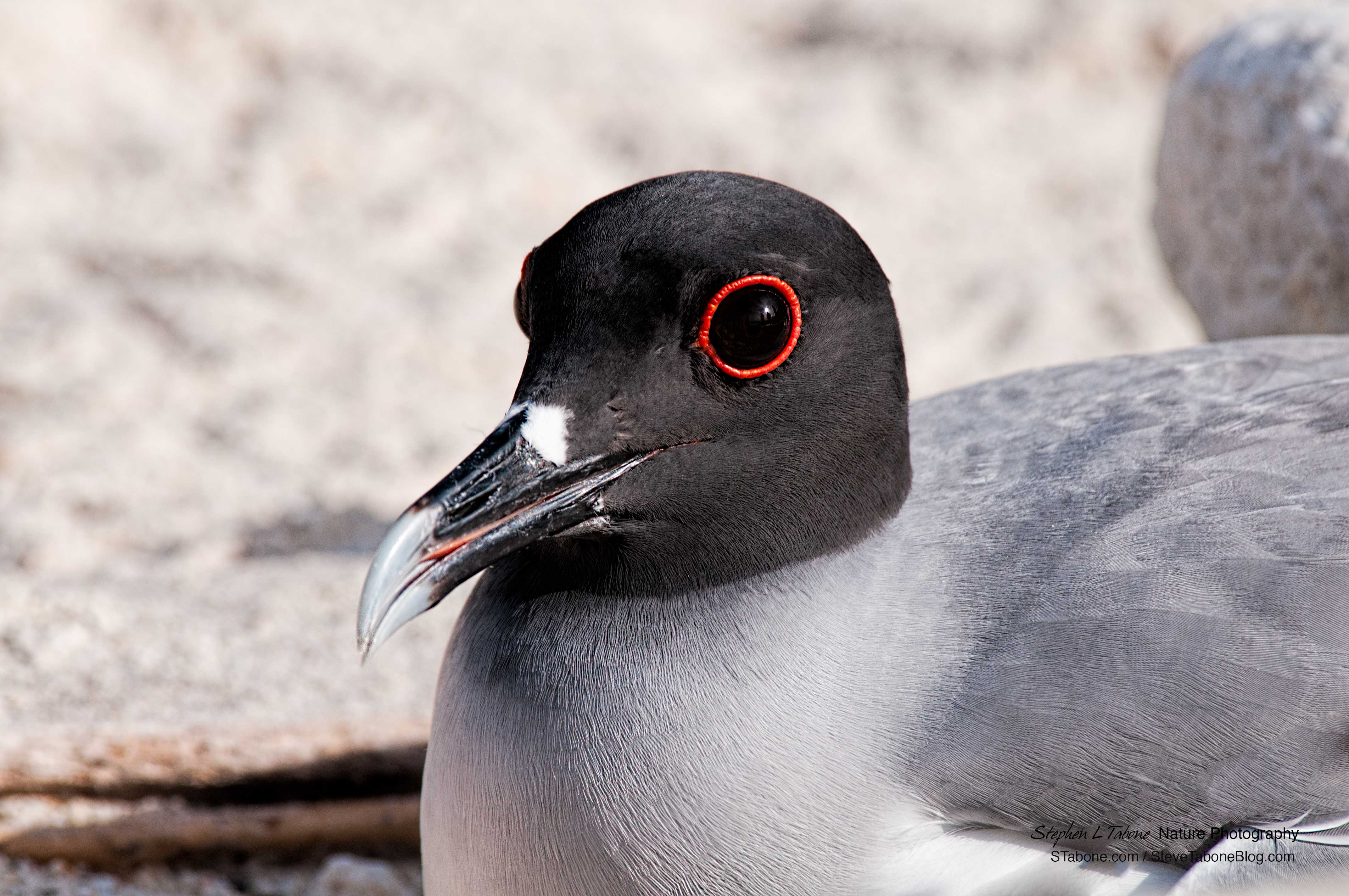
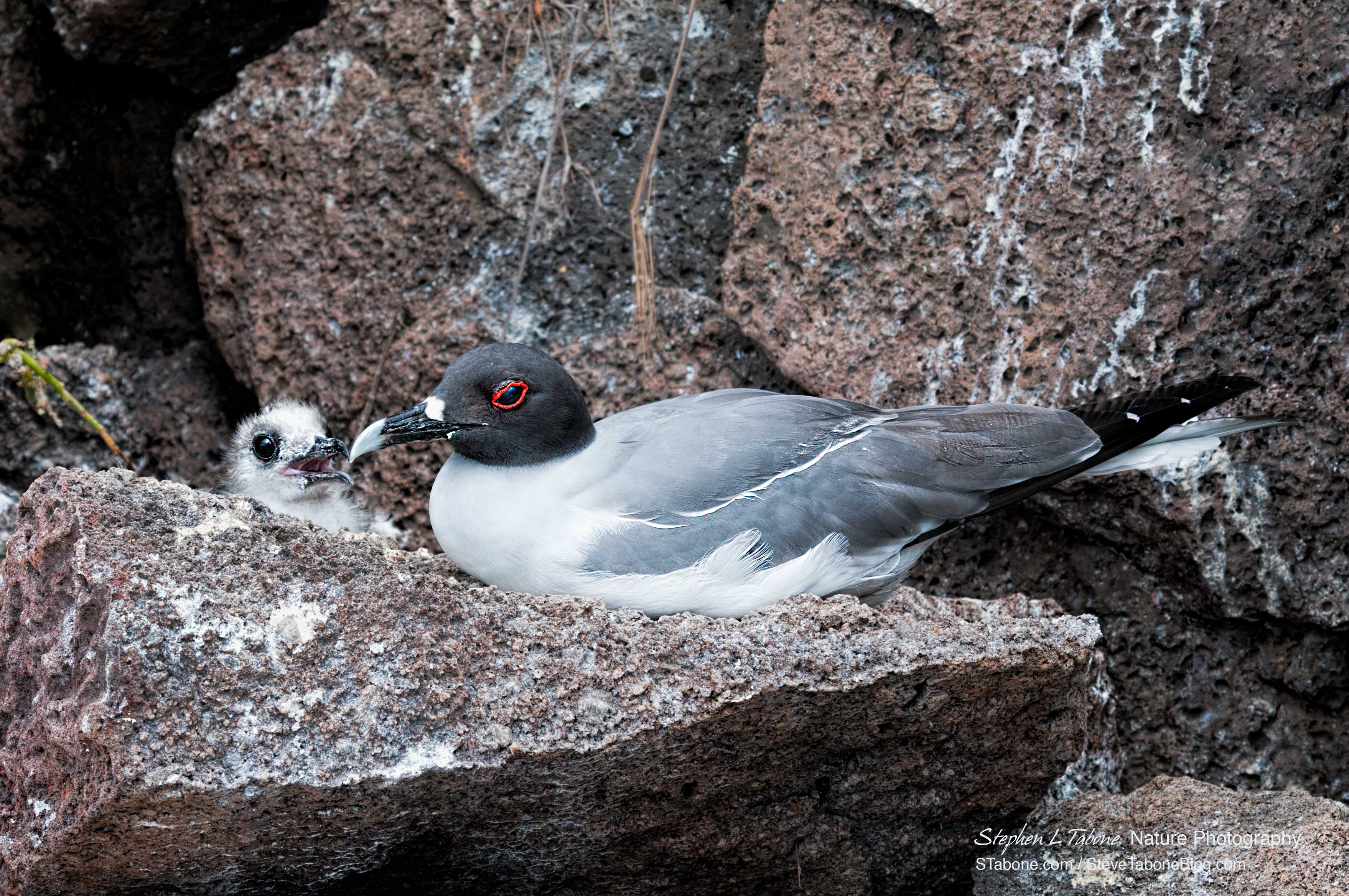
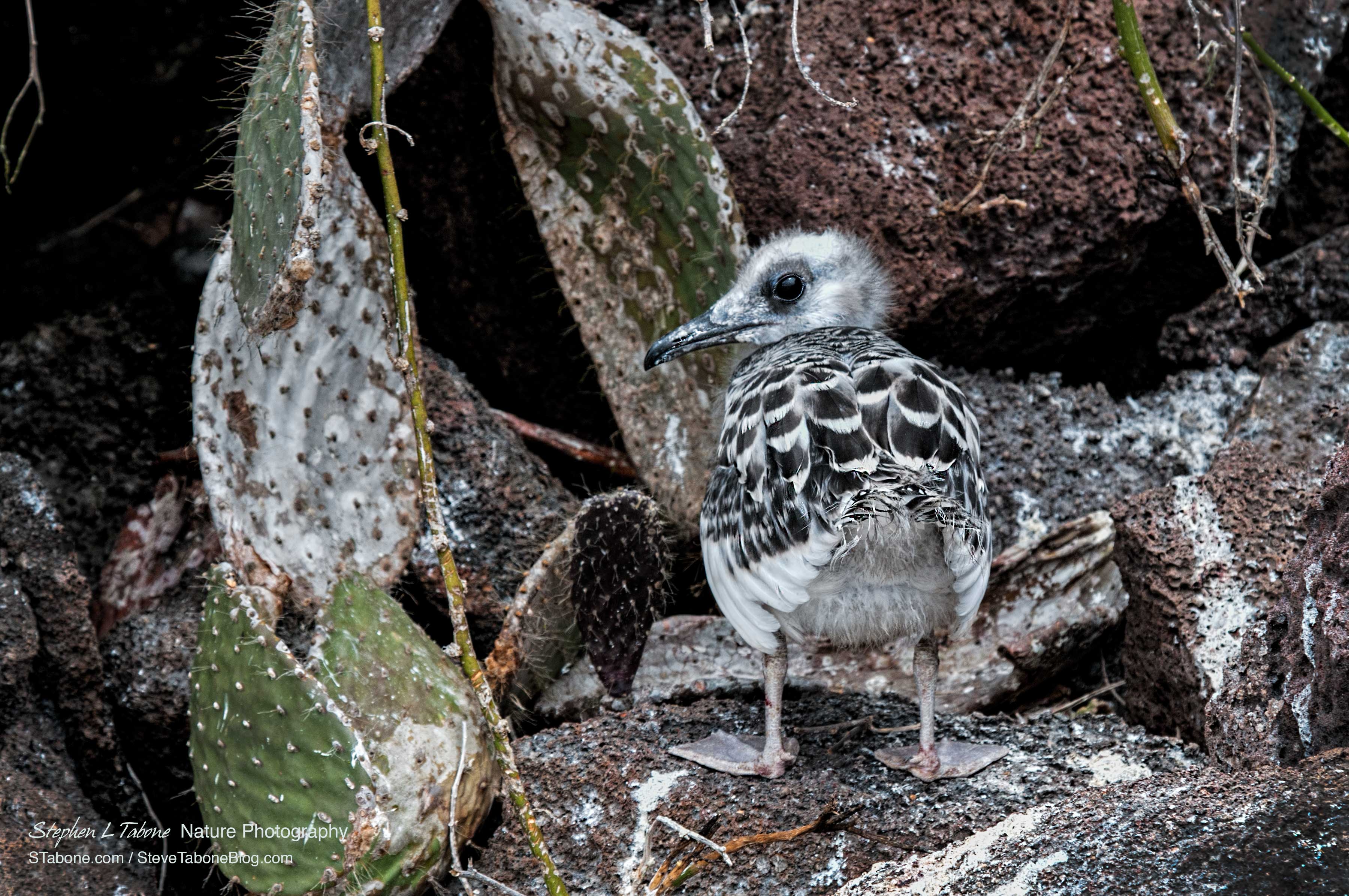
When I visited the Galapagos Islands, the second island I visited was Genovesa Island, and one of the first birds I saw and photographed on the island were Swallow-tailed Gulls. Swallow-tailed Gulls are equatorial birds that breed only in the Galapagos Islands. These gulls are unusual because they are the only fully nocturnal gull and seabird, feeding only at night when squid and small fish rise to the surface to feed on plankton. Because they are nocturnal, their eyes are very large for a gull.

Swallow-tailed-Gull

Male and female Swallow-tailed Gulls are indistinguishable, looking exactly alike. In their breeding season, their heads turn dark grey or black, and they have bright red eye rings. Normally, their heads are white and and their eye rings black. I was lucky to be there during breeding season, because not only were the gulls in their breeding plumage, but there were young gull chicks to be seen and photographed.

Swallow-tailed-Gull-with-a-Chick-2

Swallow-tailed Gull eggs are incubated for 31 – 34 days. After 60 -70 days, the chicks are fully grown and take their first flight.

Swallow-tailed-Gull-Chick

When breeding season ends, the Swallow-tailed Gulls fly east toward the coast of South America, feeding while over the open Pacific Ocean. They return to the Galapagos to breed and typically to the same nest with the same mate within the same colony of gulls.

Swallow-tailed-Gull-Chick-2

Comments on my blog and this article are appreciated and can be entered by clicking on “Comments” found below the Share this: section. You can also read other’s comments there.

Posted in Bird Photographs, Galapagos Islands, Nature | Tagged , , | 7 Comments

Late Autumn Colors at Prince William Forest

Quantico-Creek-Prince-William-Forest-fW

Early Monday morning, I met my friend, Ernie Sears, at Prince William Forest National Park. Prince William Forest encompasses over 19,000 acres and has over 37 miles of hiking trails. The northern Virginia park provides a quiet and peaceful respite from the  surrounding suburban masses and the very close and always busy Interstate 95. When deep in the forest, it is easy to forget the nearby traffic and crowded areas and imagine what native Americans and the early settlers experienced.

Early-Morning-Fog-Quantico-Creek-Prince-William-Forest

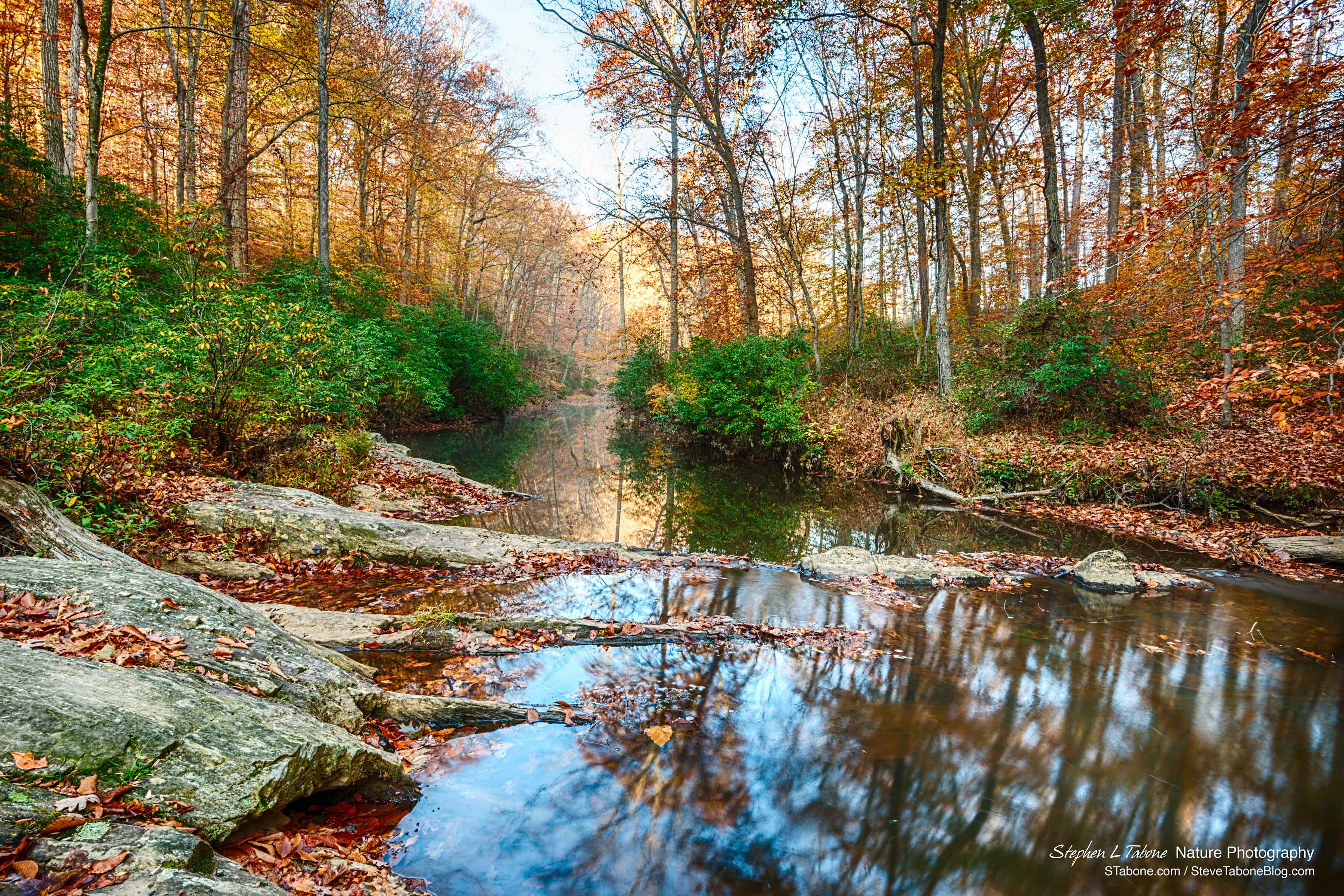
We hiked over five miles looking for places to capture what remained of the autumn colors and found a couple of locations along Quantico Creek that provided picturesque views. When we first arrived at the creek, there was a light fog that could be seen up the creek from where we stood (above image). We were there about an hour, during which time the sun rose over a ridge and the fog cleared (below image).

Quantico-Creek-Prince-William-Forest-with-Sunburst

As you can see from the above and below images, most of the leaves had fallen. However, there were still enough leaves left in the trees for us to enjoy and capture the autumn  colors. The fallen leaves also provided color on the creek’s banks.

Quantico-Creek-Prince-William-Forest-2

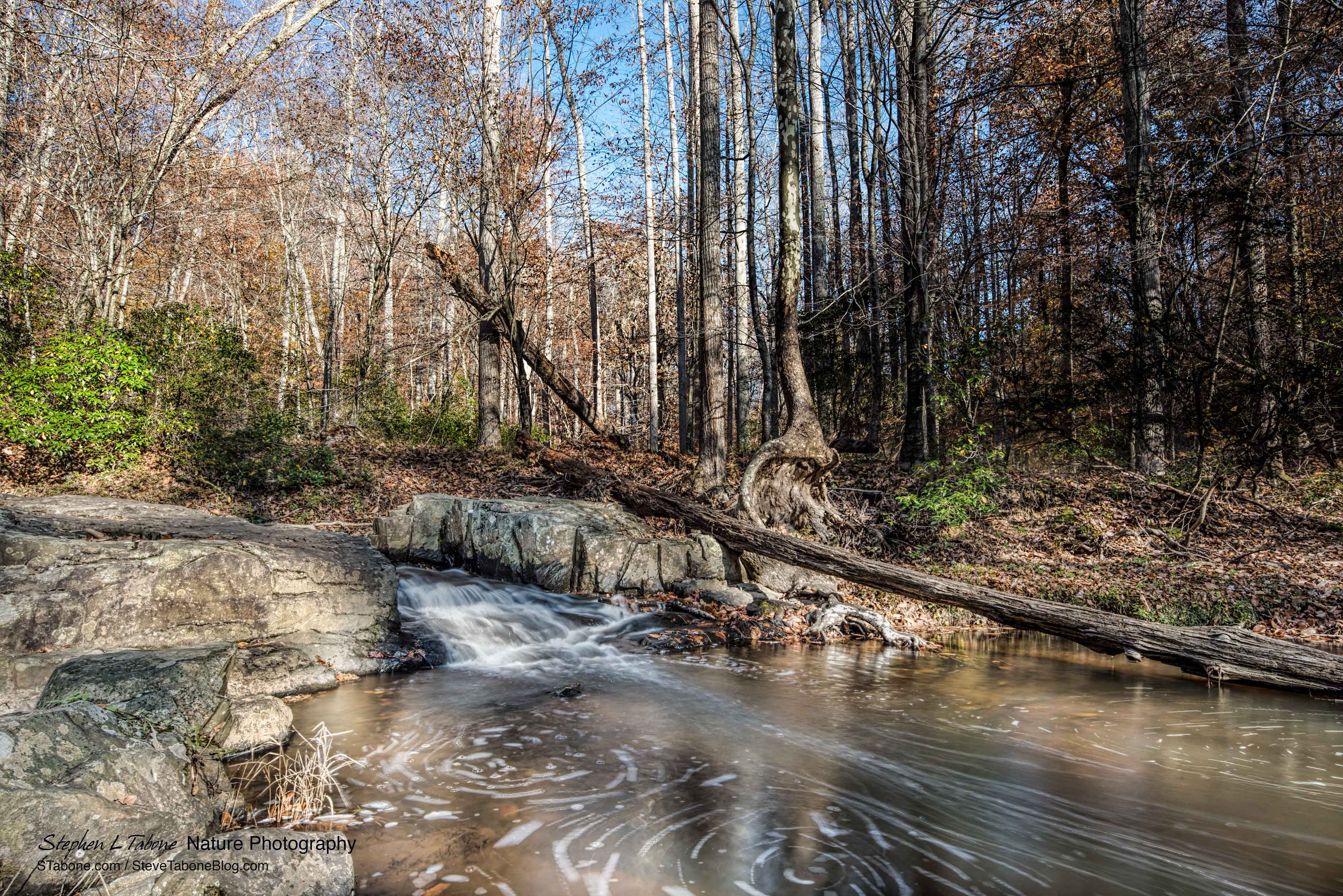
About a mile from the above location, we found a small waterfall. The amount of water in the creek and its flow were minimized by the recent lack of any substantial rain. Nevertheless, I made the best of the “trickle” by using a slow shutter speed to soften the water and to capture the swirl, as seen in the foreground of the below image.

Quantico-Creek-Prince-William-Forest-4-sec

The above photo is a composite of two images. One image was shot at a very slow shutter speed to soften the water and to capture the swirl in the foreground, and the second image was shot at a much higher shutter speed to properly expose the background and surrounding rocks. The two images were blended together in Photoshop.

The images in this article were taken with either a Nikon D800 or D810 and either a 24-70mm or 16-35mm lens.

Comments on my blog and this article are appreciated and can be entered by clicking on “Comments” found below the Share this: section. You can also read other’s comments there.

Posted in Autumn Photography, National and State Parks, Nature | Tagged , , | 6 Comments