Ricketts Glen State Park and Its Waterfalls

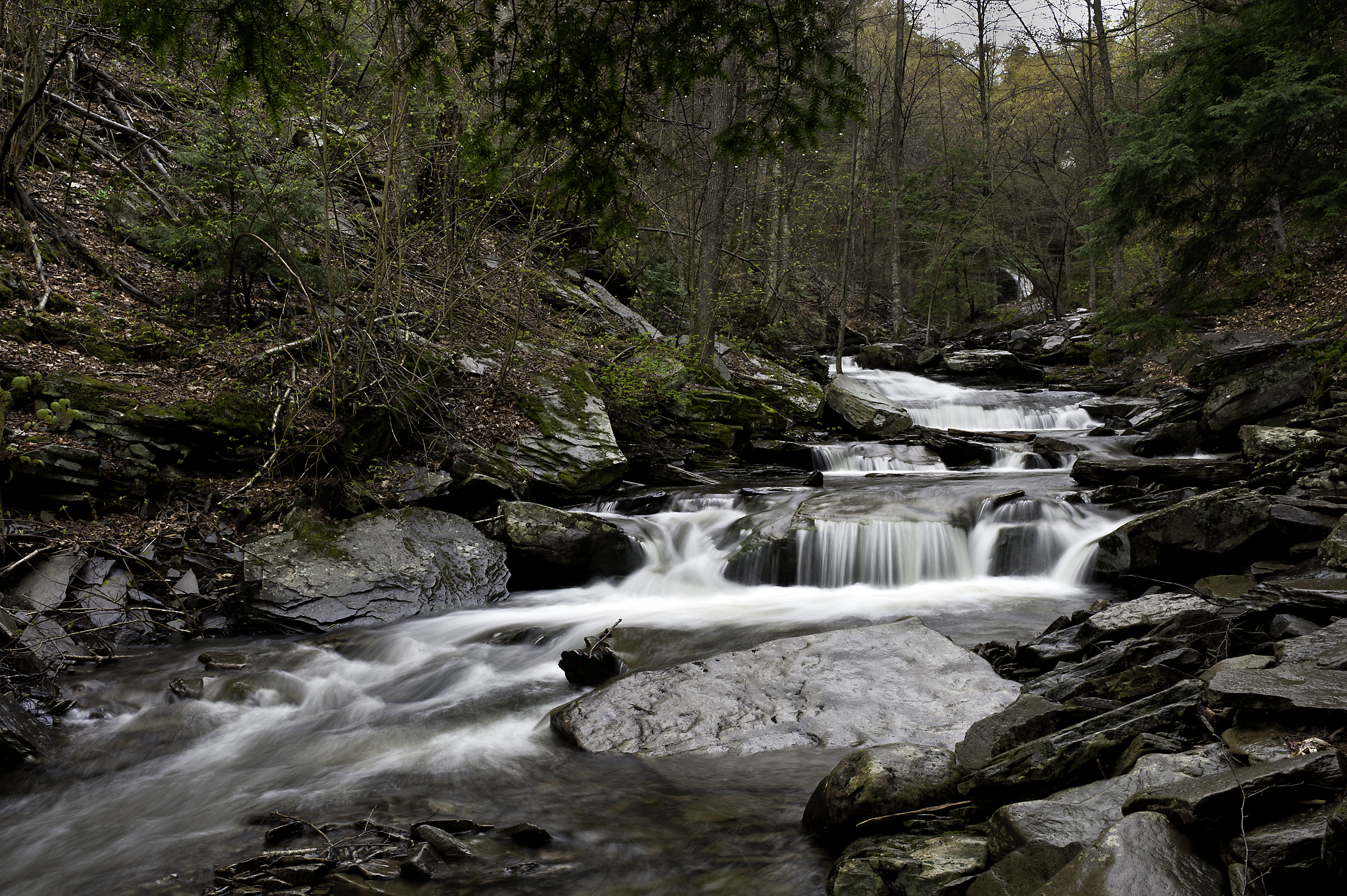
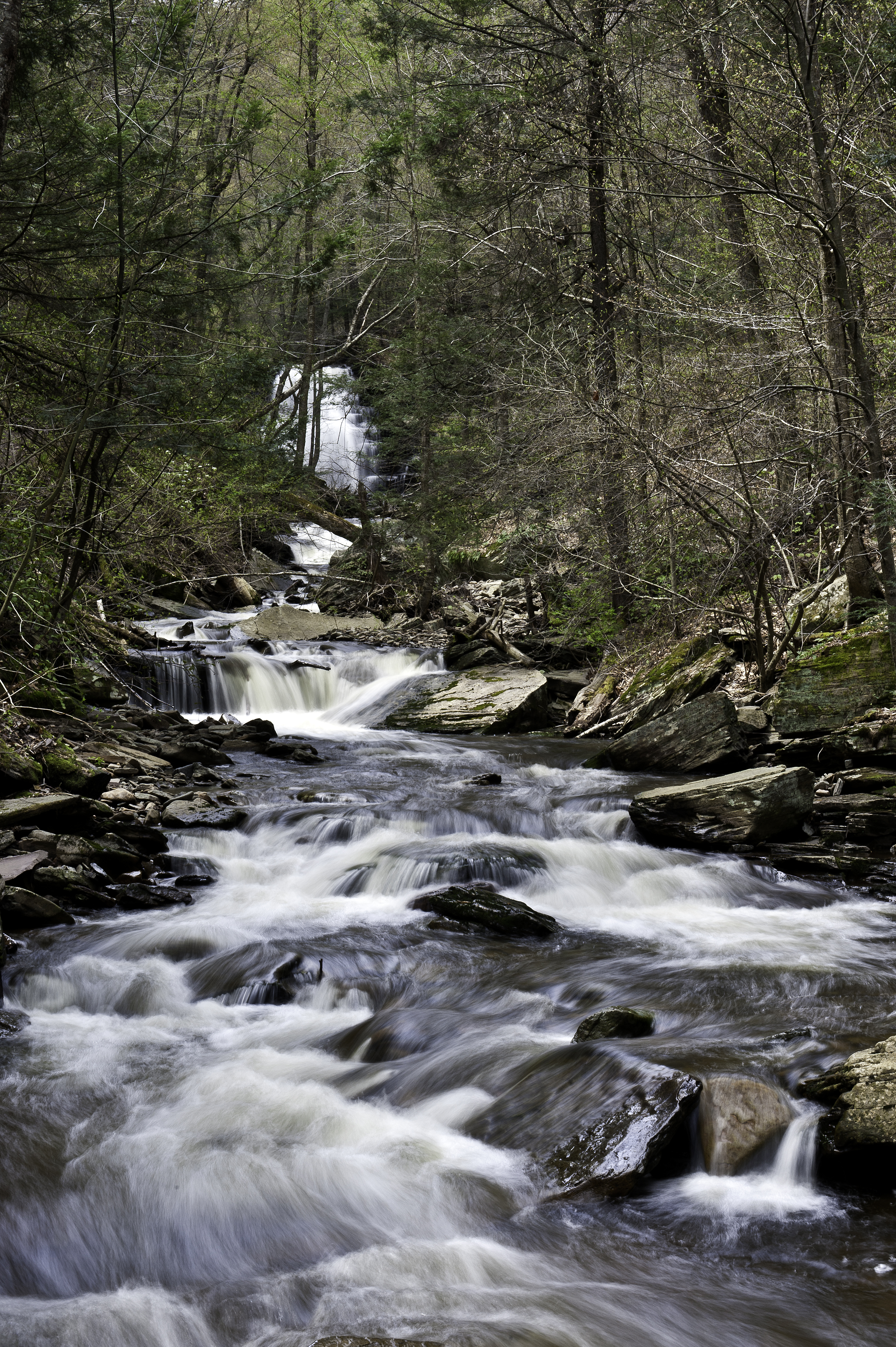
INCREDIBLE is the only word to describe Ricketts Glen State Park in Pennsylvania. At Ricketts Glen, it is almost possible for large, beautiful waterfalls surrounded by rampant spring growth to become monotonous, because there are 22 named waterfalls in one 13,050 acre park. However, each one is beautiful in its own way and was lit differently by the warm sun or by filtered light when it was cloudy and raining (which is the better lighting condition for shooting waterfalls).

We hiked the Falls Trail (7.2 miles, rated difficult) through Ganogo Glen on Friday (10 waterfalls) to Waters Meet and hiked Glen Leigh on Saturday to the three waterfalls below Waters Meet (11 waterfalls).  We saw and shot Adams Falls (making it 22) on Friday, when we arrived, since it was close to the road on the way to the park. And to top it off, we had the park practically to ourselves on Friday.

Ricketts Glen waterfalls range in height from 94 feet to one at 11 feet. In between the waterfalls, Kitchen Creek runs rapidly over rocks and boulders making numerous small (unnamed) waterfalls.  There was new, bright green plant life starting to grow everywhere. The forest was exploding in green, and the sound of the fast running creek and falls was very load at times. When it was quiet between the falls, there were birds singing everywhere.  It was awesome to see, hear and shoot.

Since returning late yesterday, I have only been able to process a small number of photos. I will be processing more tonight and this week, and posting them to this blog and my Website. The Ricketts Glen photographs can be seen at: http://stabone.com/p280440364

Later, I will update the images of the falls to include their names.  They were named by Colonel Ricketts (a Gettysburg veteran), who owned 80,000 acres around Ricketts Glen. Most of the falls are named after Indian tribes and some of his friends.

Northern Pennsylvania seemed to be almost a month behind northern Virginia in spring growth. So, I got to enjoy spring twice this year. The following is how much of the rural countryside looked.

Posted in Landscape Photographs, National and State Parks | Tagged , | 3 Comments

Preview to Ricketts Glen

My trip this past weekend could not have been better. Every aspect of it was perfect: friend and fellow photographer–Ceasar Sharper, Ricketts Glen State Park, 22 named waterfalls and others, Bed & Breakfast, uneventful picturesque drive, and no camera gear issues.

I took many photos of the waterfalls and surrounding scenery.  I am anxious to show you more of them later today.  Here is the first one processed.

Posted in Uncategorized | 2 Comments

Spring in Northern Virginia

We moved from Florida 18 years ago, and spring in Virginia seems to get better each year.  That could be because I appreciate it more now that I am focused on its beauty as I try to capture it in my photography. Spring also seems to be much more beautiful here than in Florida probably because Florida is green all year, while here the landscape changes so dramatically from brown, leafless trees, bushes and plants to flowers and green growth everywhere. I have been photographing some of that beauty, and some of what I have captured follows. More images are in my spring galleries on my Website.

After winter, even a dandelion sphere about to disperse its seed-bearing parachutes makes an interesting and beautiful photograph (105mm, f9, 1/25, ISO 200).  There is amazing beauty in what we think of as weeds and often overlook.  (Click on the images to see them larger.)

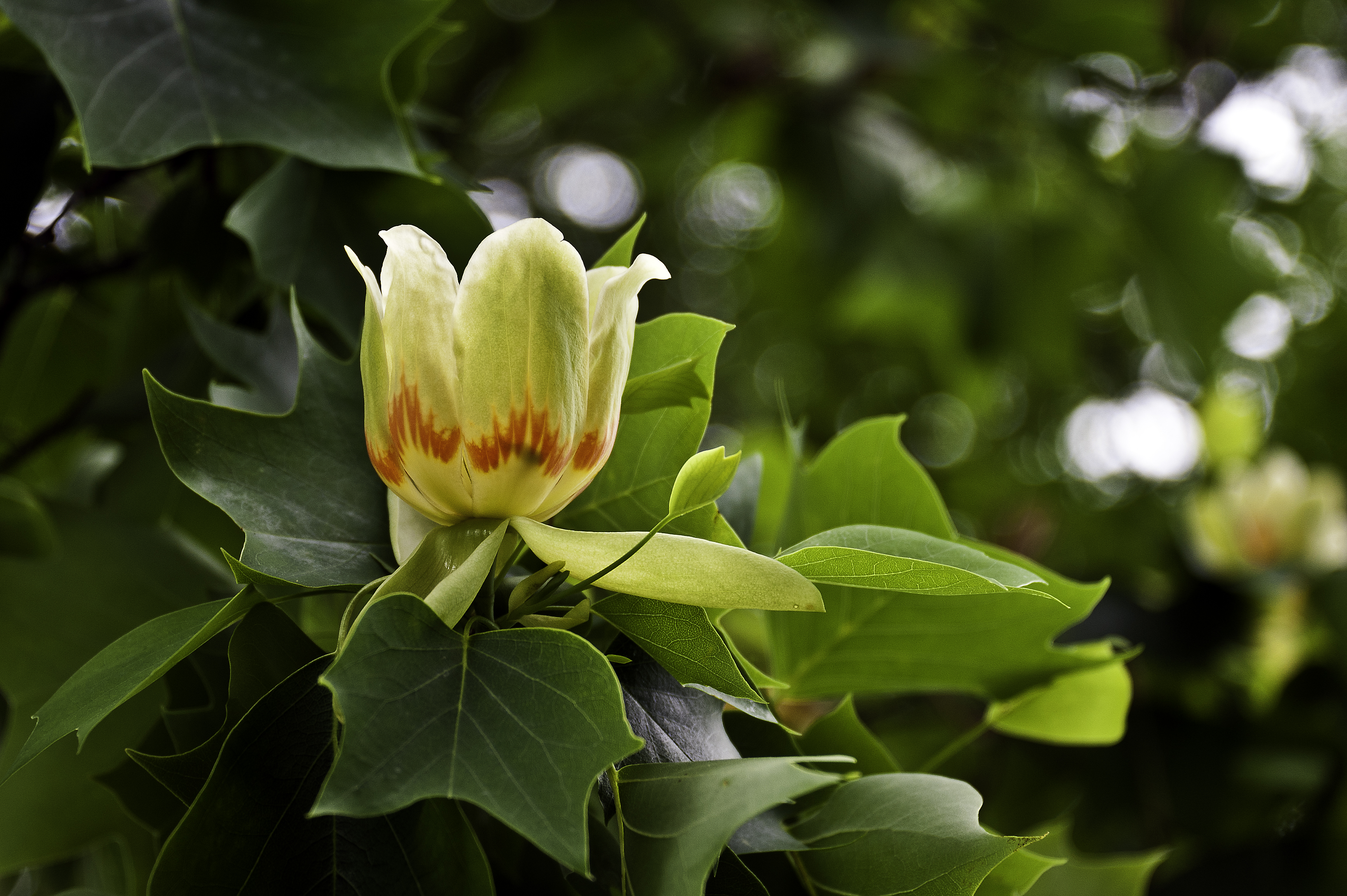
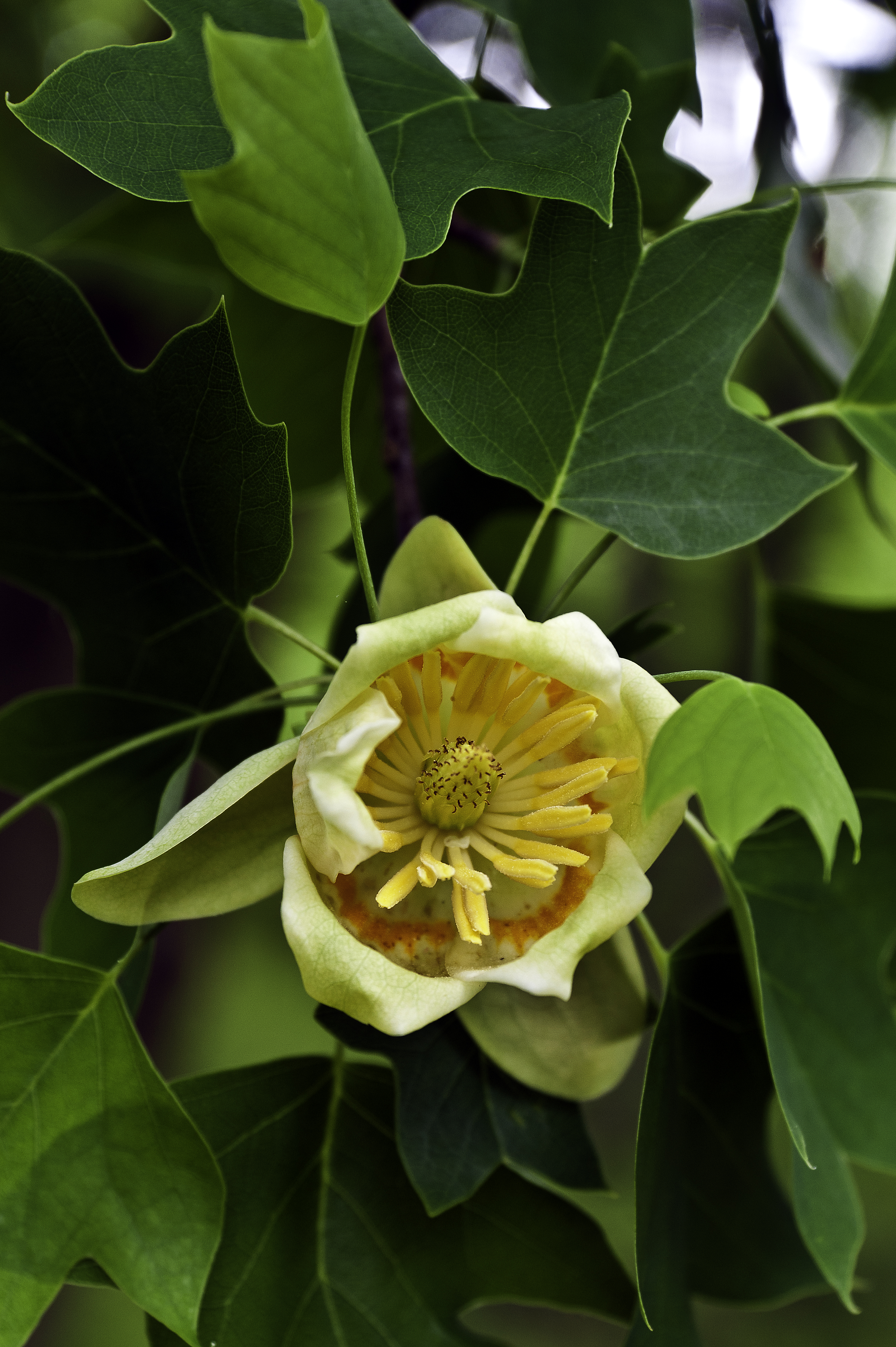
While hiking at Leesylvania State Park this weekend, I had to stop and shoot the large yellow and orange flowers of a yellow poplar tree, which is one of Virginia’s tallest trees  growing to 120′ and whose flowers are 2″ tall (100mm, f5.3, 1/160, ISO 200).

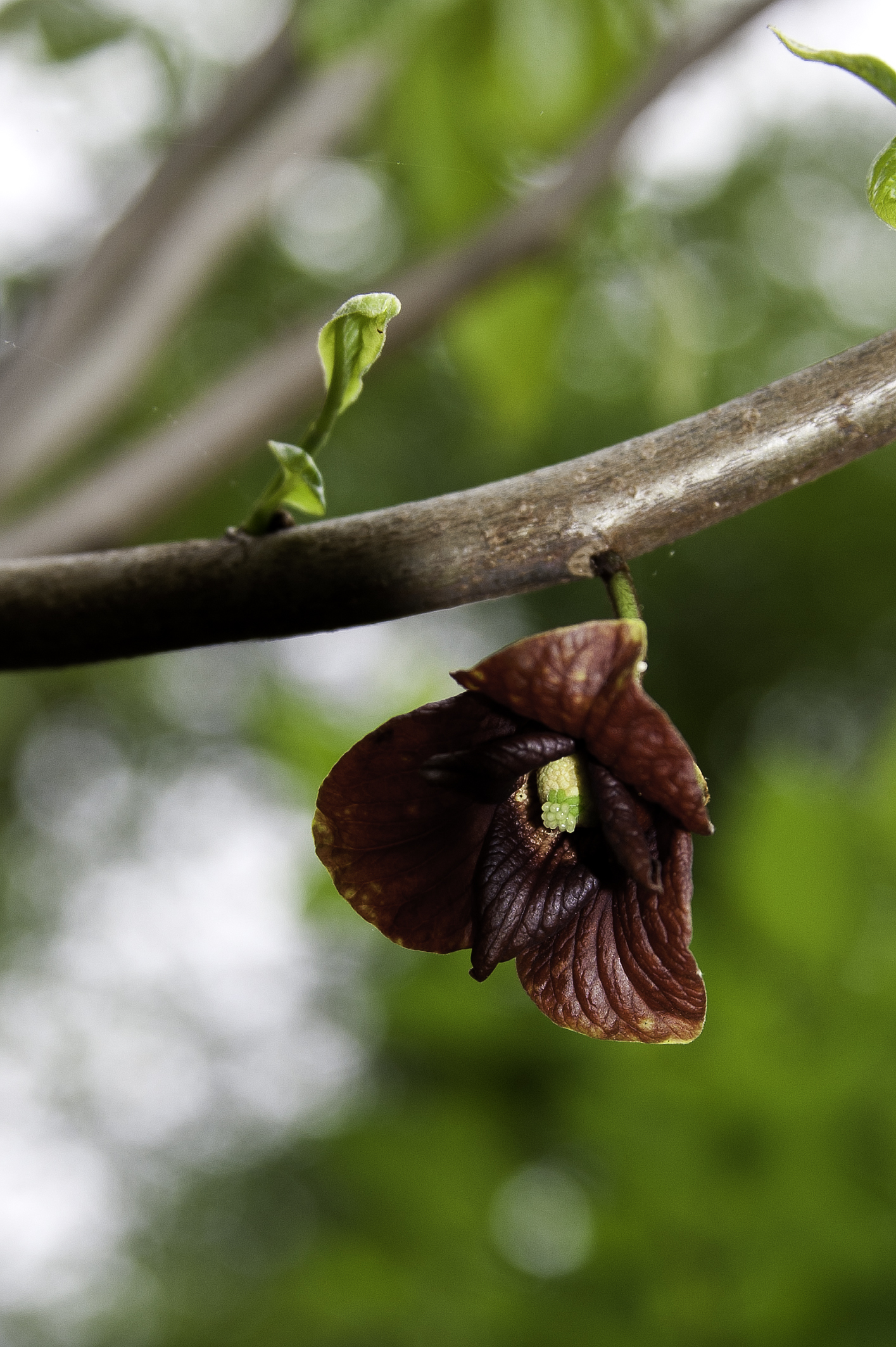
We have walked through Leesylvania many, many times and have often seen pawpaw trees and their pawpaw fruit late each summer, but we have never seen until this weekend the pawpaw tree flowers that bear the fruit.  The fetid flowers are unusually shaped and a deep maroon, purplish color (65mm, f5.6, 1/200, ISO 200).

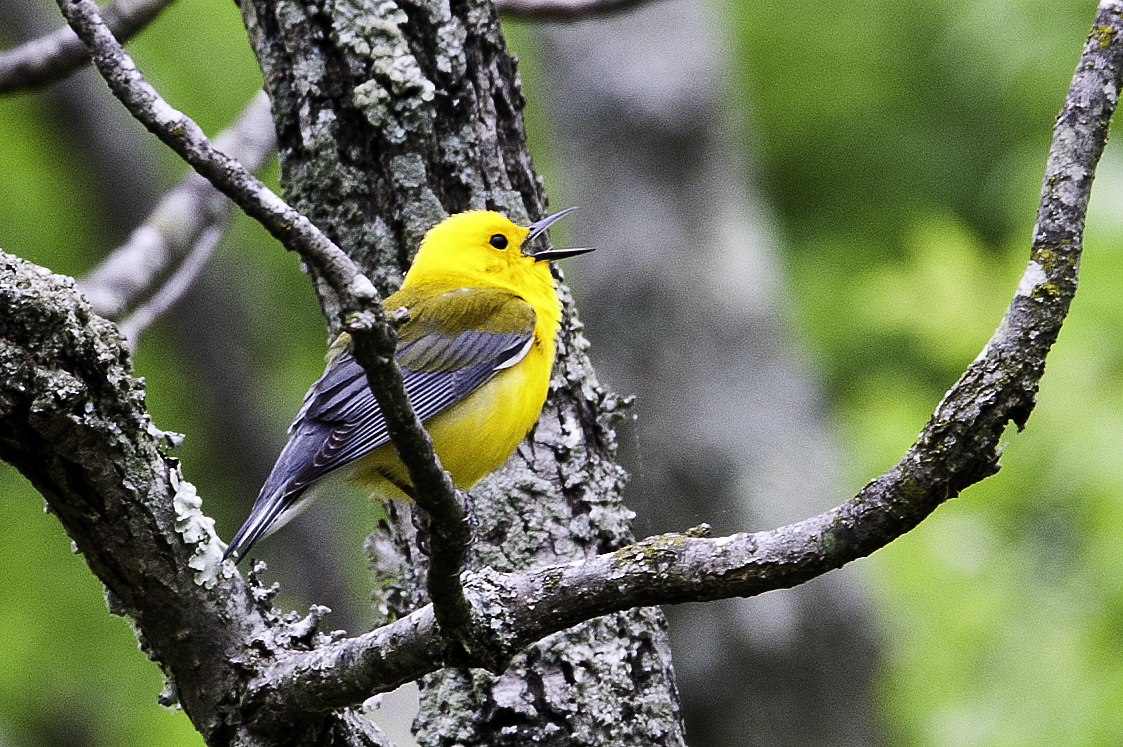
Besides seeing the many flowering trees at Leesylvania State Park this weekend, as I posted last night, we saw a bright yellow prothonotary  warbler. Another photo of this beautiful bird follows (300mm, f9, 1/200, ISO 200).

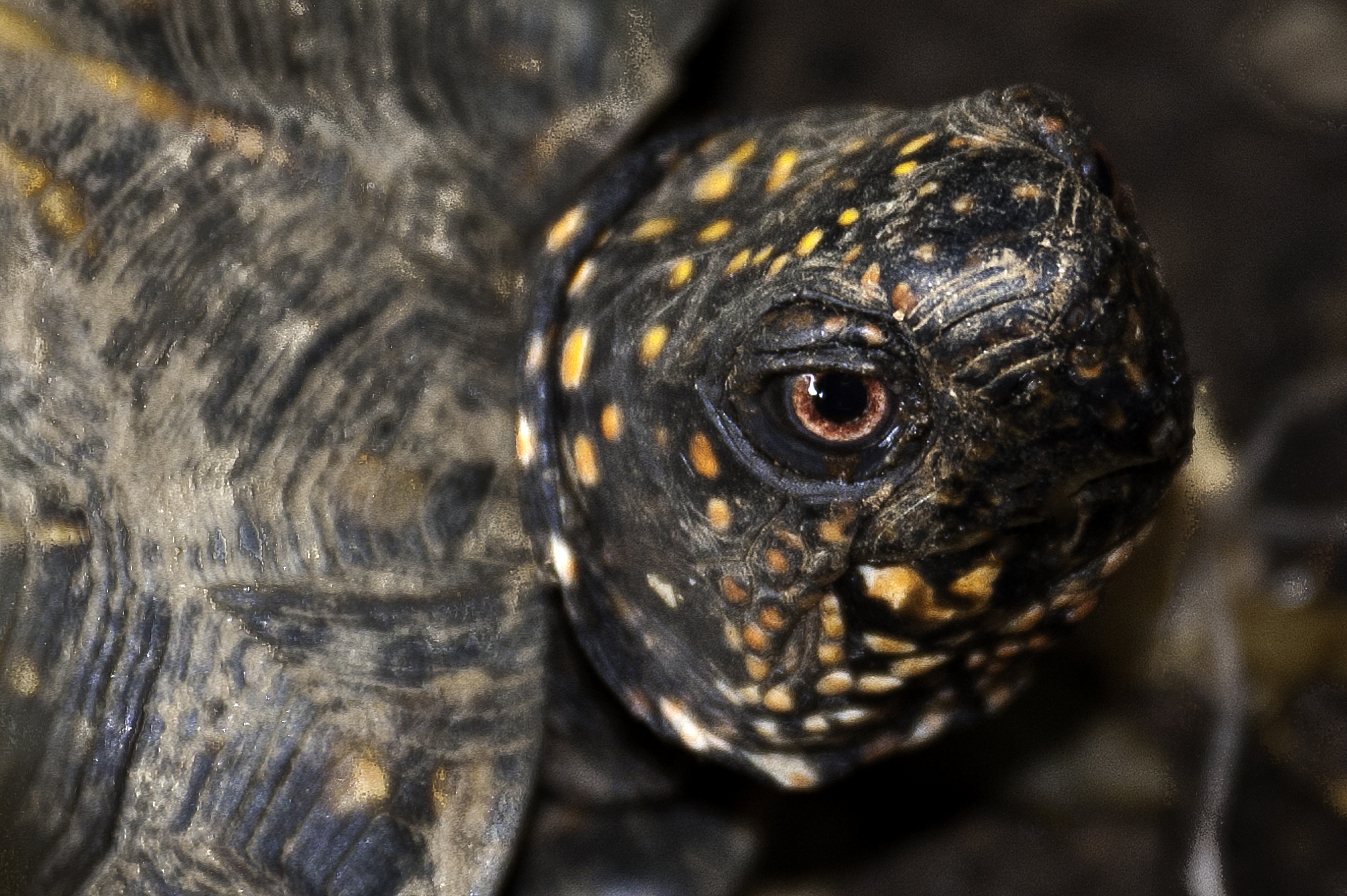
In closing, not everything that we saw this weekend was beautiful.  Below is an eastern box turtle that most likely recently emerged from its underground winter location with a face that only another turtle could love (300mm, f7.1, 1/60, ISO 200).

Additional spring photos can be found in my spring galleries at:  http://stabone.com/f481735306

By the way, my next posting will be from an upcoming visit to shoot the many (22) waterfalls at Ricketts Glen State Park in Pennsylvania.

Posted in Uncategorized | 3 Comments

Prothonotary Warbler

Just a quick update this evening because I am excited about the shot I got of a prothonotary warbler.  Tomorrow, I will post a few photos from this weekend and upload them and more to my website. It was a gorgeous spring weekend here in northern Virginia.

Today, Angela and I hiked our favorite local park–Leesylvania State Park. While walking through Bushey Point at the park, I heard a bird just singing its heart out and very loudly. Then, I saw it and could not believe its vibrant yellow color, and it was within range for a decent shot with my 28-300mm.  The warbler’s location on a branch of an old tree provided the perfect contrast.

Posted in Bird Photographs | Tagged , | 1 Comment

Bluebird Nest Boxes at Merrimac Farm Wildlife Management Area

This afternoon, I joined two other volunteers (Cliff and Tom) at Merrimac Farm Wildlife Management Area to be trained on how to check and maintain about 15 bluebird boxes located on the 301 acre farm.  We were trained by Kim Hosen, Director of the Prince William Conservation Alliance and Wayne, who maintained the boxes last year.  The bluebird boxes need to be checked once a week for a number of reasons to include removing old nests (bluebirds can raise three broods in a season), nests of other birds using the bluebird boxes, checking for eggs and hatchlings, monitoring fledglings, and checking to see if any predators like snakes, ants, etc. have attacked the nest and the eggs or young birds.

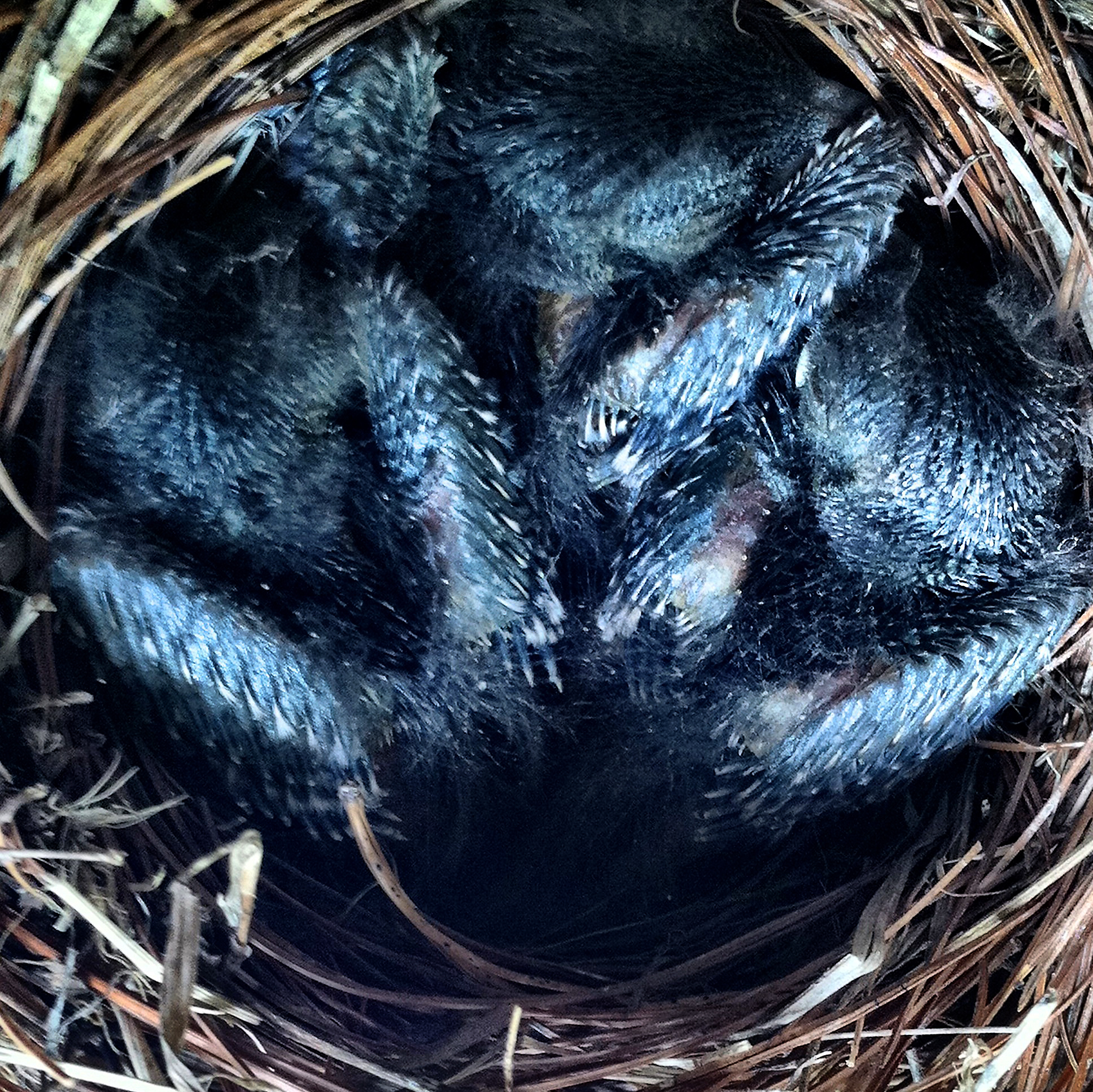
Four of the boxes we checked had 3 to 5 eggs, and one nest had newly hatched bluebirds that we estimated were about 5-7 days old. What we observed at each nest box was recorded in a book that is maintained during the season (April – August).

Spring has definitely arrived in northern Virginia as evidenced by the new bluebird nests and eggs, flowers, and green growth everywhere.  Of course, I shot some photos in between the training; however, I traveled light today (one camera body and all purpose lens (28-300mm VR)–no tripod) since the primary purpose was training. When it is my turn to check the boxes, I will be carrying more gear and be doing some serious photography, so stand by for more photos. The schedule calls for me to check the boxes once in May, June, July, and August.

Some photos from today follow.  The first (and one above) are wild azalea flowers and blooms.

Below is a young black rat snake that we saw on the trail. It was not moving and very still while watching us as we looked at it.  Then, as I moved to get a side shot, it sped off through grass.

We had to remove several wasps and wasp nests.  One of them follows.

We passed an old falling down house on the farm that I had to shoot.

Below, shot with my iPhone, are the five eggs we saw in one of the nests. I had to hold my iPhone in the box above the nest to get this shot, so it is not very good, but you can see the bright blue color of the eggs.

I may be going back to the farm tomorrow (with more gear).  Regardless, I am planning to be there a lot this spring, summer, fall and next winter. What a wonderful place to experience and capture some of nature’s beauty.

Posted in Bird Photographs, Merrimac Farm Wildlife management Area | Tagged , , | 6 Comments